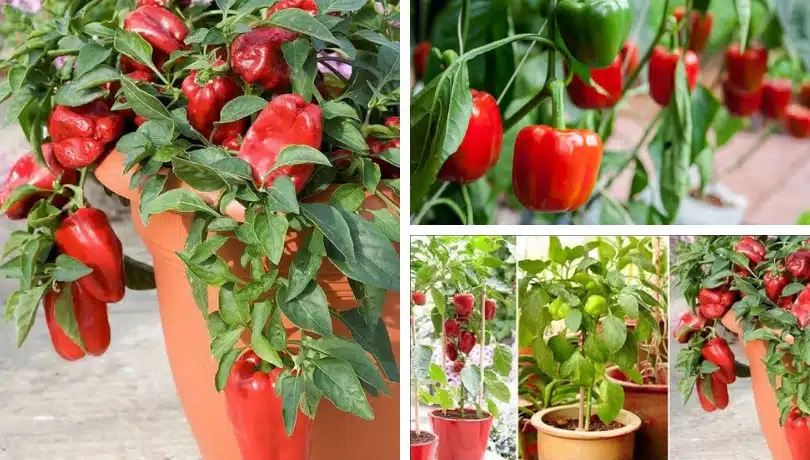
Growing chili peppers at home is an exciting and rewarding experience, whether you’re a seasoned gardener or a beginner looking to spice up your home garden.
With the right care and attention, you can enjoy a bountiful harvest of fresh, flavorful chili peppers.
In this detailed guide, we’ll cover everything you need to know about cultivating chili peppers, from selecting the right varieties to harvesting and storing your peppers.
1. Choosing the Right Chili Pepper Variety
Chili peppers come in a variety of shapes, sizes, and heat levels.
Some popular varieties to consider for home cultivation include:
- Jalapeño – Mild to medium heat, great for salsas and stuffing.
- Habanero – Extremely hot with a fruity flavor, ideal for hot sauces.
- Cayenne – Medium heat, perfect for drying and making spice powder.
- Thai Chili – Small, fiery peppers used in Asian cuisine.
- Bell Peppers – Sweet and zero heat, great for salads and cooking.
- Poblano – Mild heat, excellent for stuffing and roasting.
Choose a variety that suits your taste and cooking preferences. If you enjoy experimenting, you can grow multiple types of chili peppers in the same garden.
2. Selecting the Right Location
Chili peppers thrive in full sunlight, so choose a spot that receives at least 6-8 hours of direct sunlight daily. They prefer warm climates and well-drained soil with good air circulation.
If you live in a cooler region, consider growing them in containers that can be moved indoors when needed.
3. Preparing the Soil
Chili peppers grow best in well-draining, loamy soil rich in organic matter. Before planting, prepare the soil by:
- Mixing in compost or aged manure to improve fertility.
- Ensuring a pH level between 6.0 and 6.8.
- Adding perlite or sand to enhance drainage.
A well-prepared soil base helps chili plants establish strong roots and grow vigorously.
4. Starting Chili Plants from Seeds or Seedlings
Starting from Seeds
- Sow seeds indoors about 6-8 weeks before the last frost date.
- Use seed trays or small pots filled with a quality seed-starting mix.
- Keep the temperature between 75-85°F (24-29°C) for optimal germination.
- Provide consistent moisture and ensure adequate light (use grow lights if necessary).
- Once the seedlings develop 2-3 sets of true leaves, they are ready for transplanting.
Transplanting Seedlings
- Harden off seedlings by gradually exposing them to outdoor conditions over a week.
- Transplant them into garden beds or larger containers, spacing them 18-24 inches apart.
- Water immediately after transplanting to help the roots establish.
5. Watering and Fertilization
Watering
- Keep the soil evenly moist but not soggy.
- Water deeply once or twice a week, depending on climate conditions.
- Avoid overhead watering to reduce the risk of fungal diseases.
Fertilizing
- Use a balanced fertilizer (10-10-10) during early growth.
- Switch to a low-nitrogen, high-phosphorus, and potassium fertilizer once the plants start flowering.
- Organic options include compost tea, fish emulsion, and worm castings.
6. Providing Proper Support
Some chili pepper plants, especially taller varieties like Cayenne and Thai chilies, may require support to prevent stems from breaking. Use:
- Stakes or small trellises to provide support.
- Soft ties to secure stems without damaging them.
7. Pruning and Pinching for Healthier Plants
Pruning your chili plants can enhance growth and fruit production:
- Pinch off early flowers to encourage stronger root and leaf development.
- Remove yellowing or diseased leaves to improve airflow.
- Topping the plant (removing the growing tip) can promote bushier growth.
8. Managing Pests and Diseases
Chili peppers can be susceptible to pests and diseases. Here’s how to manage them:
Common Pests
- Aphids – Control with neem oil or insecticidal soap.
- Whiteflies – Introduce natural predators like ladybugs.
- Spider mites – Keep humidity levels high and wash plants with soapy water.
Common Diseases
- Blossom End Rot – Prevent with consistent watering and calcium-rich soil.
- Powdery Mildew – Avoid overhead watering and ensure proper spacing.
- Bacterial Spot – Use disease-resistant varieties and remove affected leaves.
9. Encouraging Flowering and Fruit Production
To boost fruit production:
- Ensure plants receive at least 6 hours of sunlight.
- Use phosphorus-rich fertilizers to promote flowering.
- Hand-pollinate by gently shaking flowers or using a small paintbrush to transfer pollen.
10. Harvesting Chili Peppers
When to Harvest
- Green peppers can be harvested early for a milder taste.
- Fully ripe peppers (red, yellow, or orange) have maximum heat and flavor.
- Pick peppers by cutting them from the plant to avoid damaging the stems.
How to Store Chili Peppers
- Fresh Storage – Keep in the fridge for up to 2 weeks.
- Drying – Air dry or use a dehydrator for long-term storage.
- Freezing – Chop and freeze in airtight bags.
- Pickling – Preserve in vinegar and salt for flavorful additions to dishes.
11. Growing Chili Peppers in Containers
If you have limited space, chili peppers grow well in containers:
- Choose a 5-gallon pot per plant with drainage holes.
- Use high-quality potting mix for better aeration.
- Water frequently, as containers dry out faster than garden beds.
- Move pots indoors if temperatures drop below 55°F (13°C).
12. Extending the Growing Season
To continue growing chili peppers beyond their usual season:
- Use row covers or greenhouses for frost protection.
- Bring potted plants indoors when temperatures fall.
- Save seeds from your best plants for next season’s crop.
Cultivating chili peppers at home is a fun and satisfying way to grow fresh, flavorful ingredients for your kitchen.
With proper care, the right conditions, and a bit of patience, you can enjoy a vibrant and productive chili garden.
Whether you prefer mild jalapeños or fiery habaneros, these tips will help you grow healthy and robust chili pepper plants all year round.