When it comes to designing a private, peaceful outdoor space, few elements are more effective—and more beautiful—than a living fence.
Unlike traditional fencing, which can look rigid or sterile, a living fence made of shrubs offers natural beauty, seasonal interest, and long-term sustainability.
These green walls can block unsightly views, reduce noise, create windbreaks, and provide habitat for birds and pollinators.
Whether you want to block out neighbors, muffle street noise, or create a secluded garden nook, a fast-growing shrub fence is a smart and eco-friendly solution.
In this guide, you’ll discover 10 of the best fast-growing shrubs for privacy, along with their ideal conditions, care tips, and design benefits.
With the right choices, you can create a lush, green privacy screen that matures quickly and thrives for years to come.
Why Choose a Living Fence?
A living fence doesn’t just offer privacy—it transforms your outdoor space in several important ways:
- Natural Beauty: Lush foliage and seasonal blooms elevate your landscape design.
- Noise Reduction: Dense plantings help absorb and reduce noise from roads or nearby properties.
- Windbreaks: Evergreen shrubs protect gardens and patios from strong winds.
- Wildlife Habitat: Flowering and fruiting shrubs attract birds, butterflies, and beneficial insects.
- Environmental Impact: Living fences improve air quality, reduce soil erosion, and help cool your home naturally.
How to Plan Your Living Fence
Before planting, consider the following factors:
1. Purpose
Are you blocking a view, reducing noise, creating a boundary, or all three?
2. Sun Exposure
Does the planting site receive full sun, partial shade, or dense shade?
3. Soil Type & Drainage
Check your soil’s drainage and fertility. Amend if necessary for the shrub varieties you choose.
4. Evergreen vs. Deciduous
- Evergreen shrubs offer year-round privacy.
- Deciduous shrubs may lose leaves in winter but provide beautiful blooms or fall color.
5. Mature Size
Always consider the full height and spread of a shrub to ensure proper spacing and functionality.
10 Fast-Growing Shrubs for a Privacy Fence
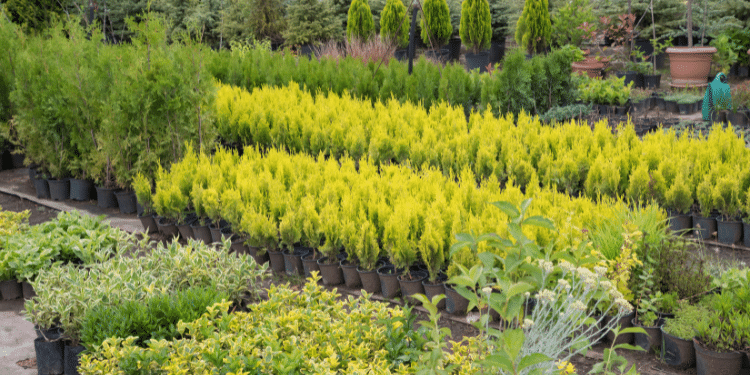
1. Arborvitae (Thuja occidentalis)
Zones: 3–7
Sun: Full sun to partial shade
Growth Rate: 3+ feet per year
Height at Maturity: 10–20+ feet (varies by variety)
Arborvitae is one of the most popular privacy shrubs, especially the ‘Green Giant’ and ‘Emerald Green’ cultivars. These columnar evergreens grow tall and narrow, making them perfect for tight spaces.
Pros:
- Year-round privacy
- Low maintenance
- Tolerates a wide range of soils
Tips: Plant 3–5 feet apart for a dense screen.
2. Privet (Ligustrum spp.)
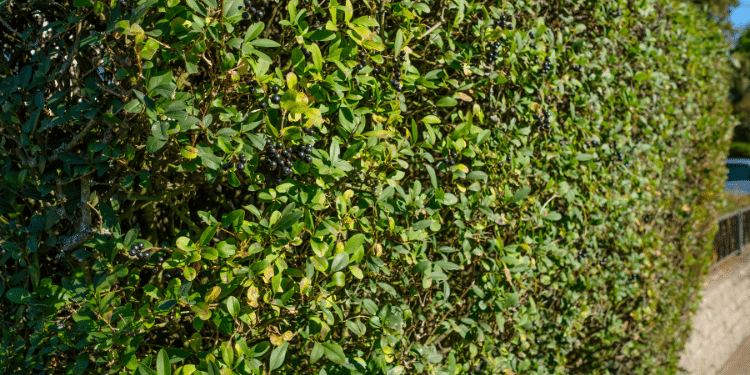
Zones: 5–9
Sun: Full sun to partial shade
Growth Rate: Up to 2–3 feet per year
Height: 8–15 feet
Privet is a classic hedge plant that forms a thick, fast-growing wall of foliage. It’s deciduous in colder zones but semi-evergreen or evergreen in warmer climates.
Pros:
- Responds well to pruning
- Great for formal hedges
- White blooms in spring attract pollinators
Tips: Prune regularly to maintain shape and density.
3. Forsythia (Forsythia x intermedia)
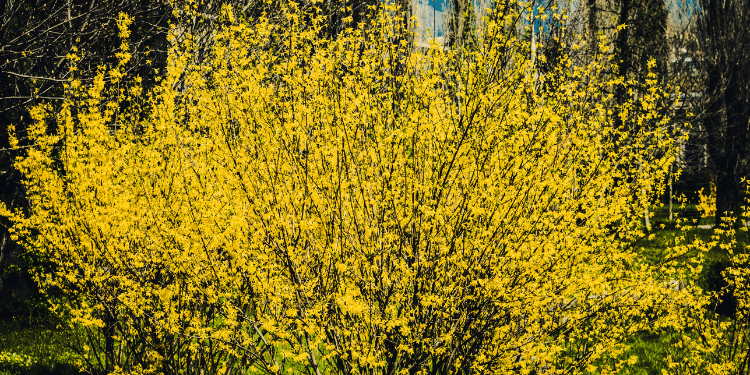
Zones: 5–8
Sun: Full sun to partial shade
Growth Rate: 2–4 feet per year
Height: 8–10 feet
Known for its bright yellow blooms in early spring, forsythia is a cheerful and fast-growing shrub that makes a vibrant seasonal privacy screen.
Pros:
- Gorgeous spring color
- Low maintenance
- Drought-tolerant once established
Tips: Prune right after blooming to maintain shape and encourage next year’s flowers.
4. Lilac (Syringa vulgaris)
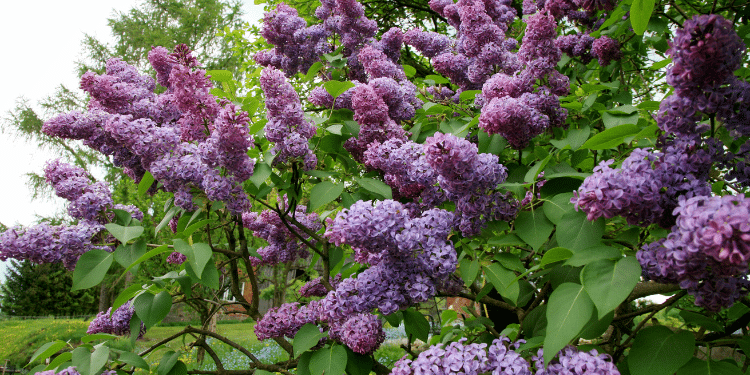
Zones: 3–7
Sun: Full sun
Growth Rate: 1–2 feet per year
Height: 8–12 feet
Lilacs are beloved for their fragrant purple, pink, or white flowers that appear in late spring. Though slower than others on this list, they’re worth the wait and ideal for mixed privacy plantings.
Pros:
- Incredibly fragrant
- Excellent cut flowers
- Attracts bees and butterflies
Tips: Plant in well-drained soil with good air circulation.
5. Wax Myrtle (Morella cerifera)
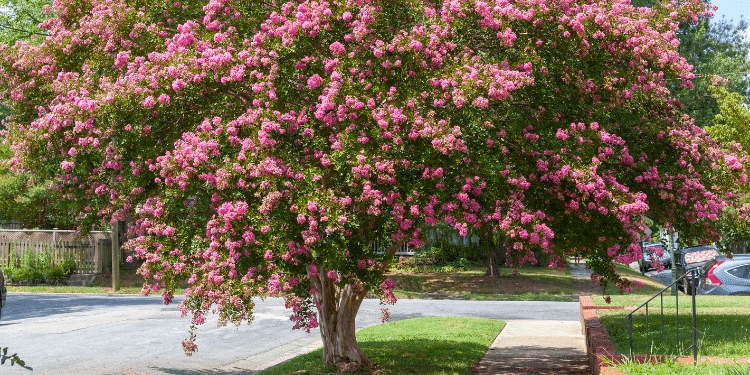
Zones: 7–10
Sun: Full sun to part shade
Growth Rate: 2–4 feet per year
Height: 10–20 feet
Wax myrtle is a fast-growing, aromatic evergreen that thrives in warm climates and salty or sandy soils. It’s perfect for coastal areas and urban settings.
Pros:
- Tough and adaptable
- Great for privacy and windbreaks
- Supports wildlife with berries
Tips: Prune to maintain size and encourage bushy growth.
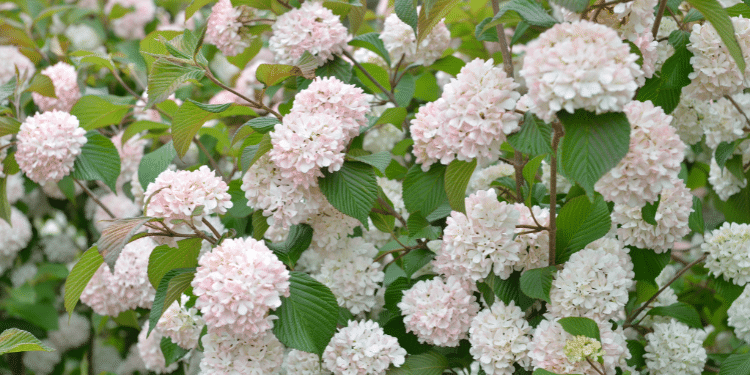
6. Viburnum (Viburnum spp.)
Zones: 3–9 (depending on variety)
Sun: Full sun to part shade
Growth Rate: 1–3 feet per year
Height: 6–12+ feet
Viburnums offer seasonal beauty with fragrant flowers, berries, and brilliant fall foliage. Popular varieties like Arrowwood and Doublefile are great for privacy hedges.
Pros:
- Multi-season interest
- Attracts birds and pollinators
- Tolerates pruning
Tips: Mix multiple varieties for a dynamic hedge with varying bloom times.
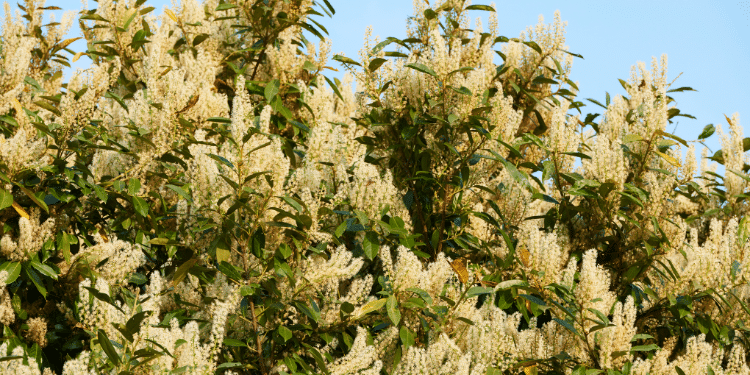
7. Cherry Laurel (Prunus laurocerasus)
Zones: 6–10
Sun: Full sun to shade
Growth Rate: 2–3 feet per year
Height: 10–15 feet
Cherry laurel is a broadleaf evergreen with glossy foliage and small white flowers in spring. It forms a dense, formal hedge when pruned but can be left natural for a more informal look.
Pros:
- Evergreen privacy
- Shade-tolerant
- Fast-growing and tough
Tips: Space plants 4–6 feet apart for a thick screen.
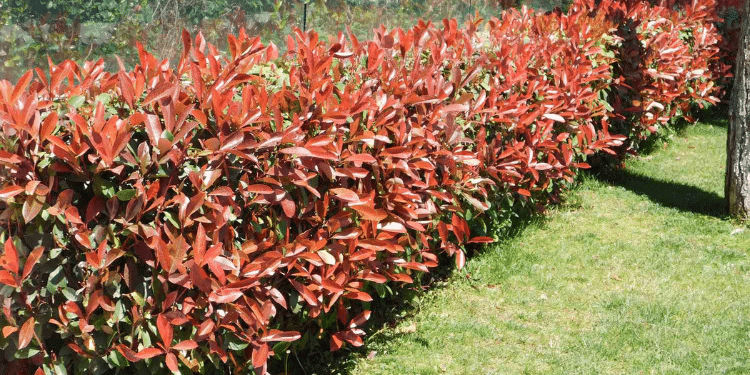
8. Red-Tipped Photinia (Photinia x fraseri)
Zones: 7–9
Sun: Full sun
Growth Rate: 2–3 feet per year
Height: 10–15 feet
Photinia stands out with its vibrant red new growth, which matures to glossy green. It makes a striking hedge with colorful interest throughout the year.
Pros:
- Colorful foliage
- Fast and dense
- Drought-tolerant once established
Tips: Prune regularly to encourage red growth and maintain shape.
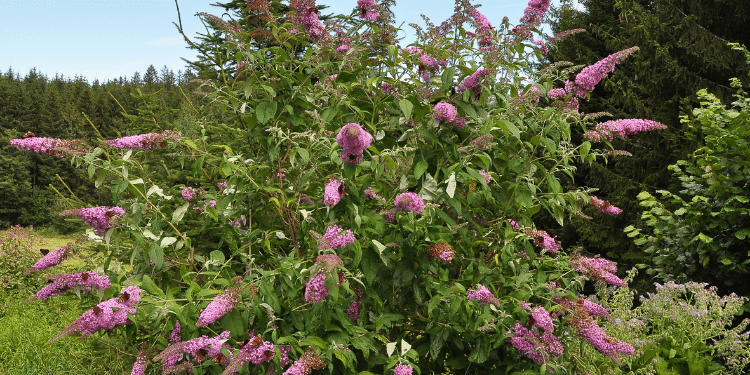
9. Butterfly Bush (Buddleja davidii)
Zones: 5–9
Sun: Full sun
Growth Rate: 2–4 feet per year
Height: 6–12 feet
Butterfly bush offers long-lasting blooms in shades of purple, pink, white, or blue, and it’s a magnet for butterflies and pollinators.
Pros:
- Fast-growing
- Blooms from summer to fall
- Low maintenance
Tips: Cut back hard in early spring to control size and encourage new growth.
10. Spirea (Spiraea spp.)
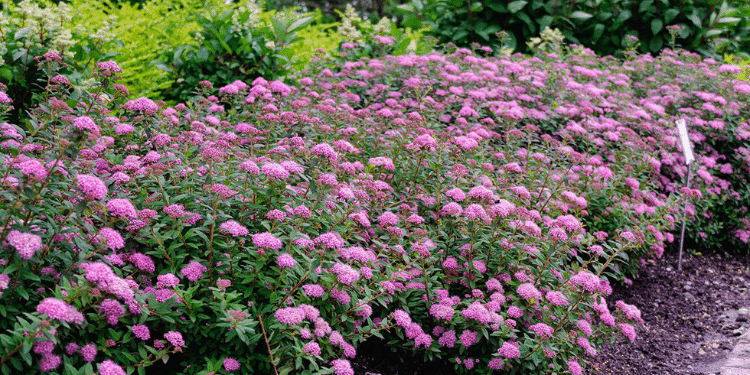
Zones: 3–8
Sun: Full sun
Growth Rate: 1–2 feet per year
Height: 3–8 feet (varies by variety)
Though smaller than others on this list, spirea can be planted in dense rows to create a low-growing privacy hedge or border. It offers showy clusters of white or pink flowers and stunning fall color.
Pros:
- Beautiful blooms
- Deer resistant
- Tolerates pruning
Tips: Plant compact varieties for borders and taller types for back-of-bed privacy.
Additional Tips for Growing a Living Fence
- Start with healthy plants: Choose disease-free, vigorous shrubs from a reputable nursery.
- Prepare your soil: Dig wide planting holes and mix compost into native soil.
- Water deeply and regularly: Especially during the first growing season.
- Mulch: Use mulch around the base to conserve moisture and suppress weeds.
- Prune for shape and airflow: Prune in late winter or after flowering, depending on the species.
- Stagger plantings: For a more natural look, plant in a zigzag pattern rather than a straight row.
A living fence is one of the most beautiful and functional elements you can add to your landscape.
These fast-growing shrubs for privacy not only screen out unwanted views and sounds—they also invite nature into your garden, enhance curb appeal, and add year-round beauty to your property.
Whether you prefer evergreen walls or seasonal blooms, formal hedges or wild layers, there’s a shrub (or combination) perfect for your space.
With thoughtful planning and proper care, your living fence will become a lasting feature of peace, privacy, and greenery.