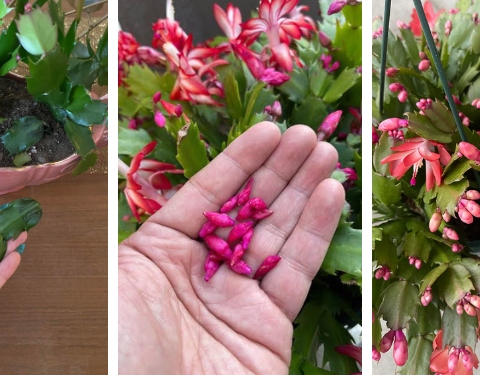
The Christmas cactus (Schlumbergera) is a beloved holiday plant, known for its vibrant, tubular flowers that bring festive cheer to any space.
However, getting your Christmas cactus to bloom in time for the holidays—and keeping it blooming throughout the season—requires proper care and a little know-how.
With the right conditions and timing, you can ensure your Christmas cactus bursts into a cascade of color year after year.
Here’s a detailed guide on how to make your Christmas cactus bloom all holiday season long.
1. Understand the Christmas Cactus Bloom Cycle
The Christmas cactus is a tropical plant, unlike the desert cactus. Its flowering cycle depends on light, temperature, and dormancy. Understanding this cycle is key to encouraging blooms.
Bloom Cycle Basics:
- Dormancy: In the fall, the plant enters a resting phase. This is when you prepare it for blooming by reducing water and controlling light exposure.
- Bud Development: Buds begin to form with proper light and temperature conditions in late October or November.
- Bloom: Flowers typically appear in late November to December, lasting several weeks with proper care.
2. Provide the Right Light Conditions
Christmas cacti are photoperiodic, meaning their blooming is triggered by changes in light exposure.
How to Provide the Right Light:
- Limit Light Exposure: In the fall (6–8 weeks before blooming), the plant needs 12–16 hours of complete darkness each night. Use a dark room or cover the plant with a box or cloth at night.
- Bright Indirect Light: During the day, place the plant in a spot with bright, indirect sunlight. Avoid direct sunlight, which can scorch the leaves.
3. Control the Temperature
Temperature plays a crucial role in initiating flower buds on a Christmas cactus.
Optimal Temperature Range:
- Keep the plant in a room with temperatures between 60–70°F (15–21°C).
- Nighttime temperatures of 50–55°F (10–13°C) are ideal during the bud-setting phase.
- Avoid placing the plant near drafts, heaters, or vents, as sudden temperature changes can cause bud drop.
4. Adjust Your Watering Routine
Christmas cacti have specific watering needs, especially during the blooming season.
Watering Tips:
- During Dormancy: Reduce watering in the fall to allow the plant to rest. Water only when the top inch of soil feels dry.
- During Bud Formation and Blooming: Resume regular watering once buds form, keeping the soil slightly moist but not waterlogged.
- Avoid Overwatering: Ensure the pot has proper drainage to prevent root rot.
5. Fertilize Wisely
Fertilizing your Christmas cactus can encourage healthy growth and abundant blooms.
How to Fertilize:
- Feed the plant monthly with a balanced liquid fertilizer (20-20-20 or 10-10-10) during the growing season (spring to early fall).
- Stop fertilizing in late October to allow the plant to enter dormancy.
- Resume light feeding once buds appear to support blooming.
6. Repot Only When Necessary
Christmas cacti prefer to be slightly root-bound, so avoid repotting too frequently.
When to Repot:
- Repot every 2–3 years or when the roots are overcrowded.
- Repot in spring after the blooming season using a well-draining potting mix (a mix designed for succulents or cacti works well).
7. Pinch or Prune for Fuller Growth
Pruning helps encourage fuller, bushier growth and more blooms.
How to Prune:
- After the blooming season, pinch off or cut back a few segments from each stem.
- This encourages branching and creates more tips where flower buds can form.
8. Prevent Bud Drop
Bud drop can occur if the plant experiences stress from environmental changes.
How to Prevent Bud Drop:
- Stable Environment: Avoid moving the plant once buds have formed, as changes in light, temperature, or humidity can cause stress.
- Humidity: Christmas cacti thrive in moderate humidity. Use a pebble tray with water under the pot or place a humidifier nearby.
- Consistent Care: Stick to a regular watering and feeding schedule to keep the plant healthy.
9. Extend the Blooming Period
With proper care, you can extend the blooming period of your Christmas cactus.
Tips to Prolong Blooms:
- Cooler Temperatures: Keep the plant in a slightly cooler room (around 60°F or 15°C) during blooming to prolong flower life.
- Avoid Overwatering: Wet soil can cause blooms to wilt faster.
- Deadheading: Remove spent flowers promptly to encourage more buds to open.
10. Care After Blooming
After the blooming season, your Christmas cactus will need a period of rest.
Post-Bloom Care:
- Reduce watering and allow the plant to rest for 4–6 weeks.
- Keep it in a cool, shaded spot until new growth begins.
- Gradually resume regular watering and feeding to prepare for the next growing season.
Common Problems and Solutions
1. Bud Drop:
- Cause: Stress from changes in light, temperature, or watering.
- Solution: Maintain consistent care and avoid moving the plant.
2. No Blooms:
- Cause: Insufficient darkness, incorrect temperature, or overfeeding.
- Solution: Ensure the plant gets 12–16 hours of darkness each night during the pre-bloom phase and avoid fertilizing during dormancy.
3. Yellowing Leaves:
- Cause: Overwatering or poor drainage.
- Solution: Check the soil moisture and ensure proper drainage.
Why Make Your Christmas Cactus Bloom?
A blooming Christmas cactus not only adds festive charm to your home but also symbolizes care and dedication. With its vibrant flowers and longevity, it’s a plant that rewards you with beauty year after year.
Making your Christmas cactus bloom all holiday season long requires attention to its light, temperature, and watering needs.