Houseplants are like potato chips—you can’t have just one! If you love the idea of expanding your indoor garden without spending extra money, propagation is the perfect solution.
Many houseplants can be easily multiplied, allowing you to grow new “baby” plants from the ones you already own.
Not only is propagation a fun and rewarding process, but it’s also a great way to share plants with friends and family or even start a small plant business!
Whether you’re working with succulents, pothos, snake plants, or other indoor greenery, these five easy steps will help you successfully grow new plants from cuttings.
Step 1: Take a Leaf or Stem Cutting from Your Plant
There are two common ways to propagate plants:
- Stem cuttings – Ideal for vining plants like pothos, philodendrons, and tradescantia.
- Leaf cuttings – Perfect for succulents, snake plants, and African violets.
How to Take a Stem Cutting:
- Use sharp, sterilized scissors or pruning shears to cut just above a leaf node (the place where leaves attach to the stem).
- The cutting should be 4-6 inches long with at least 2-3 leaves still attached.
How to Take a Leaf Cutting:
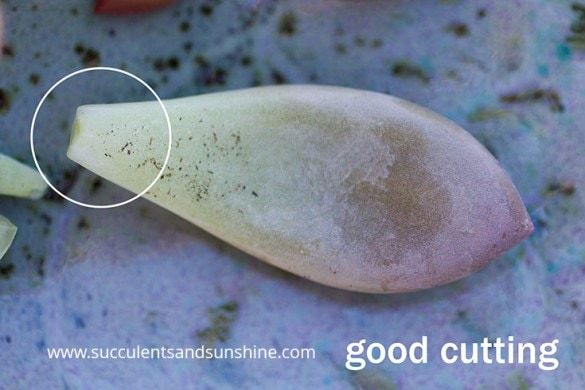
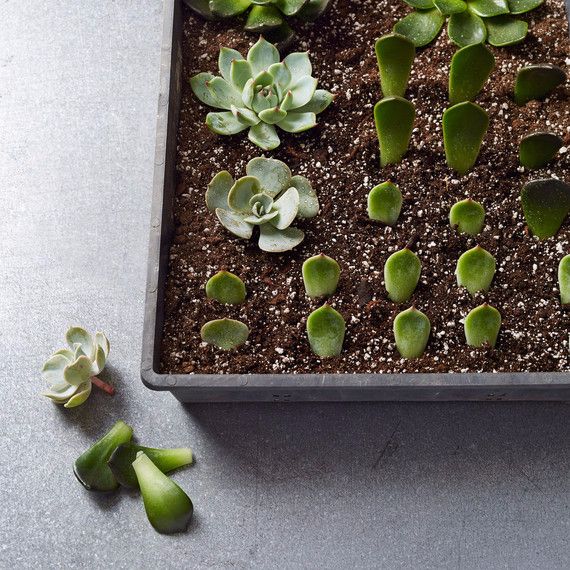
- For succulents, gently twist and remove a healthy, mature leaf from the stem.
- Ensure the entire leaf is intact, as incomplete leaves won’t propagate properly.
- For plants like snake plants, cut a section of the leaf into smaller pieces (about 3-4 inches each).
Pro Tip: Always use clean, sharp tools to avoid spreading bacteria or infections to your plants.
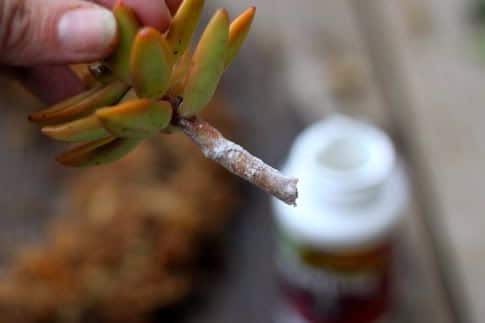
Step 2: Dip the Cut End into Rooting Hormone (Optional)
While not essential for all plants, rooting hormone can speed up root growth and increase your chances of successful propagation.
- Dip the cut end of your stem or leaf into a small amount of rooting powder or gel.
- Gently shake off any excess before planting.
Pro Tip: Succulents root easily on their own, so you can skip this step for plants like jade, echeveria, and sedum. However, for woody plants like fiddle leaf figs or rubber plants, rooting hormone is highly recommended!
Step 3: Allow a Callous to Form Before Planting
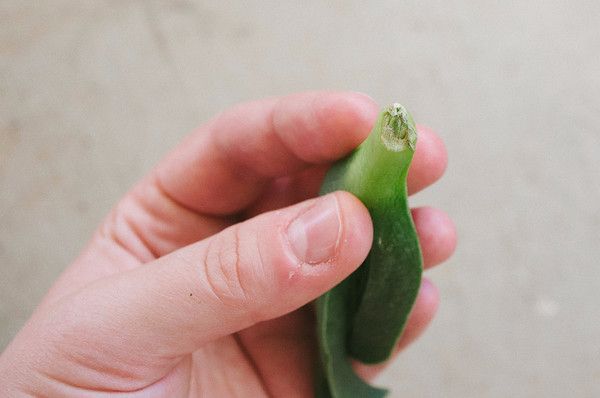
One of the most crucial steps in propagation is allowing the cutting to form a callous before planting. This helps prevent rot and ensures a stronger root system.
How to Do It:
- Place the cuttings in a dry, well-ventilated area (like a windowsill) for 24-48 hours.
- You’ll notice the cut end drying out and forming a protective layer.
Pro Tip: Succulents need a few days to fully callous, while softer plants (like pothos or ivy) can be planted immediately into water or soil.
Step 4: Plant the Cutting Once Roots Begin to Grow
Once roots start forming, it’s time to plant your new baby plants!
Water Propagation (for Stem Cuttings):
- Place the cutting in a small jar of filtered or distilled water.
- Change the water every 3-5 days to prevent bacteria buildup.
- Once roots are at least 2 inches long, transfer the plant into soil.
Soil Propagation (for Leaf & Stem Cuttings):
- Fill a small pot with well-draining soil or succulent mix.
- Insert the cutting about 1 inch deep and gently press the soil around it.
- Mist lightly and keep the plant in bright, indirect light.
Pro Tip: Use small biodegradable pots for initial planting. They make transplanting easier once the plant grows bigger!
Step 5: Care for Your New Plants Like a Pro
Once your propagated cuttings are in soil, follow these basic care instructions to help them thrive:
- Water sparingly – Let the soil dry out between waterings to prevent rot.
- Provide bright, indirect light – Avoid direct sun, which can scorch delicate cuttings.
- Keep humidity levels high – Use a humidity dome or a plastic bag over the pot for tropical plants.
- Feed lightly – Use a diluted liquid fertilizer once a month during the growing season.
Pro Tip: For succulents, use a spray bottle to mist lightly instead of overwatering.
Best Houseplants to Propagate Easily
If you’re new to propagation, start with these easy-to-grow plants:
Pothos (Devil’s Ivy) – Fast-growing and easy to root in water.
Snake Plant – Propagates well from leaf cuttings.
Spider Plant – Produces baby “pups” that can be repotted.
Jade Plant – Leaf cuttings grow into new plants quickly.
Philodendron – Thrives in both water and soil propagation.
Succulents (Echeveria, Sedum, Aloe) – Just remove a leaf and let it grow!
Why You Should Propagate Your Houseplants
- Save Money: No need to buy new plants—grow them for free!
- Expand Your Plant Collection: More greenery means a healthier home environment.
- Sustainable & Eco-Friendly: Reduce waste by reusing plant clippings.
- Great for Gifting: Share baby plants with friends and family!
- Fun & Rewarding: Watching new roots and leaves grow is so satisfying.
Propagation is a simple and enjoyable way to expand your houseplant collection without spending extra money.
By following these five easy steps, you can multiply your favorite plants, give them as gifts, and experiment with different propagation methods.