Indoor air quality is often overlooked, but it plays a crucial role in our health and well-being.
With pollutants like carbon monoxide, formaldehyde, benzene, and volatile organic compounds (VOCs) lurking in our homes, it’s essential to find ways to purify the air we breathe. While air purifiers can be effective, there’s a natural and beautiful solution—air purifying plants.
These green wonders not only add a touch of nature to your home but also act as “oxygen bombs,” filtering out toxins and releasing fresh oxygen.
In this article, we’ll explore some of the best air purifying plants that can help improve indoor air quality by removing harmful pollutants and creating a healthier environment.
How Air Purifying Plants Work
Plants have an incredible ability to absorb gases through their leaves and roots, helping to clean the air by removing toxins and producing oxygen.
Some plants are particularly effective at absorbing harmful chemicals like formaldehyde (found in household cleaning products), benzene (from paints and plastics), and carbon monoxide (from car exhaust and gas appliances).
By placing these plants in your home, you can naturally reduce indoor air pollution and enjoy fresher, cleaner air.
NASA’s Clean Air Study, conducted in the late 1980s, highlighted the power of plants in removing toxins from indoor environments.
The study found that certain houseplants could remove up to 87% of indoor air pollutants within 24 hours!
Top Air Purifying Plants for Your Home
Here are some of the most effective air-purifying plants that can help clear toxins and improve indoor air quality:
1. Spider Plant (Chlorophytum comosum)
The spider plant, also known as the “airplane plant,” is one of the most popular and easy-to-care-for houseplants. It’s incredibly effective at removing formaldehyde, xylene, and carbon monoxide from the air, making it a great addition to kitchens and living rooms.
- Benefits: Removes formaldehyde and xylene, improves humidity, and increases oxygen levels.
- Care Tips: Place in bright, indirect light and water regularly to keep the soil moist.
Tip: Spider plants are safe for pets, making them an excellent choice for households with cats or dogs.
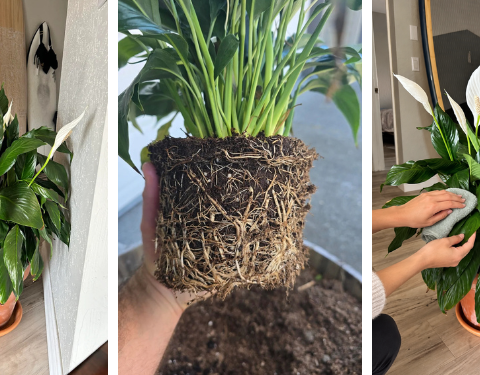
2. Peace Lily (Spathiphyllum)
Peace lilies are not only stunning with their glossy green leaves and white blooms, but they’re also powerful air purifiers. They can effectively filter out pollutants like ammonia, benzene, formaldehyde, and trichloroethylene, which are commonly found in cleaning agents and synthetic materials.
- Benefits: Removes multiple toxins, increases humidity, and helps reduce mold spores in the air.
- Care Tips: Peace lilies prefer low to medium light and should be watered once a week.
Tip: Keep peace lilies out of reach of pets, as they can be toxic if ingested.
3. Snake Plant (Sansevieria trifasciata)
The snake plant, also known as “Mother-in-Law’s Tongue,” is a hardy, low-maintenance plant that can thrive in almost any indoor environment. It’s known for its ability to absorb carbon dioxide and release oxygen at night, making it an excellent choice for bedrooms.
- Benefits: Removes formaldehyde, benzene, xylene, and toluene. Releases oxygen at night, improving air quality while you sleep.
- Care Tips: Snake plants thrive in low light and require minimal watering.
Tip: Place snake plants in your bedroom to improve air quality and promote better sleep.
4. Aloe Vera (Aloe barbadensis)
Aloe vera is a succulent plant that’s not only known for its healing properties but also its air-purifying abilities. It can help clear formaldehyde and benzene, which are by-products of chemical-based cleaners and paints.
- Benefits: Removes formaldehyde and benzene, and produces oxygen. Can also be used for minor burns and skin irritations.
- Care Tips: Aloe vera prefers bright, indirect light and should be watered sparingly.
Tip: Place an aloe vera plant in your kitchen to help filter out toxins from cooking and cleaning.
5. Boston Fern (Nephrolepis exaltata)
Boston ferns are excellent at removing formaldehyde, xylene, and toluene from the air. They’re also natural humidifiers, which makes them perfect for adding moisture to dry indoor environments.
- Benefits: Removes formaldehyde and xylene, and increases humidity.
- Care Tips: Boston ferns thrive in high humidity and indirect light. Mist the leaves regularly and keep the soil consistently moist.
Tip: Place Boston ferns in bathrooms to benefit from their humidity-boosting properties.
6. Areca Palm (Dypsis lutescens)
The Areca palm, also known as the “butterfly palm,” is a natural humidifier and air purifier. It’s effective at removing formaldehyde, xylene, and toluene, making it an ideal plant for living rooms and offices.
- Benefits: Removes formaldehyde, xylene, and toluene, and increases humidity.
- Care Tips: Areca palms prefer bright, indirect light and should be watered when the top inch of soil is dry.
Tip: Place Areca palms in large rooms to enhance air quality and add a tropical touch.
7. Bamboo Palm (Chamaedorea seifrizii)
Bamboo palms are known for their ability to filter out benzene and formaldehyde, two common indoor air pollutants. They’re also natural humidifiers, which can be particularly beneficial during dry winter months.
- Benefits: Removes benzene, formaldehyde, and trichloroethylene. Increases humidity levels.
- Care Tips: Bamboo palms thrive in low to medium light and require consistent watering.
Tip: Place bamboo palms in areas with dry air or near electronic devices to reduce radiation.
8. Rubber Plant (Ficus elastica)
The rubber plant is a low-maintenance houseplant that effectively filters formaldehyde from the air. Its large, glossy leaves can also help increase oxygen levels, making it a great choice for offices and living rooms.
- Benefits: Removes formaldehyde, increases oxygen levels, and adds a pop of green to indoor spaces.
- Care Tips: Rubber plants prefer bright, indirect light and should be watered when the top inch of soil is dry.
Tip: Place rubber plants in high-traffic areas to help reduce indoor air pollution.
How to Maximize the Benefits of Air Purifying Plants
While each plant has its own unique abilities, you can enhance their effectiveness by following these tips:
- Group Plants Together: Grouping several air-purifying plants together can create a micro-climate that maximizes their filtering abilities and boosts humidity.
- Clean Leaves Regularly: Dust can accumulate on plant leaves, reducing their ability to absorb toxins. Gently wipe the leaves with a damp cloth to keep them clean and functional.
- Choose the Right Size: Larger plants have a greater surface area for filtering toxins, so choose plants that can grow to an appropriate size for your space.
- Place Plants Strategically: Position plants near potential sources of pollutants, such as kitchen areas, bathrooms, and workspaces, to effectively filter out toxins.
Air-purifying plants are not only beautiful additions to your home, but they also serve as natural filters that help remove toxins like carbon monoxide, formaldehyde, and benzene.