Boxwood shrubs are one of the oldest ornamental plants in human history, dating back to ancient times when they were used in formal gardens, hedges, and topiary designs.
These evergreen shrubs are popular worldwide for their dense foliage, versatility, and ability to enhance any landscape with a fresh, attractive, and well-manicured appearance.
Some boxwood varieties even produce a mild, sweet fragrance, filling the air around your home with a refreshing scent.
Whether you’re looking to design a formal entryway, create natural fencing, or add lush greenery to your garden, boxwood shrubs are a timeless choice.
In this guide, we’ll cover everything you need to know about boxwood shrubs, including the best varieties, planting tips, maintenance advice, and how to care for them in different climates.
Why Choose Boxwood Shrubs for Your Garden?
- Timeless Elegance: Used for centuries in formal and informal landscapes.
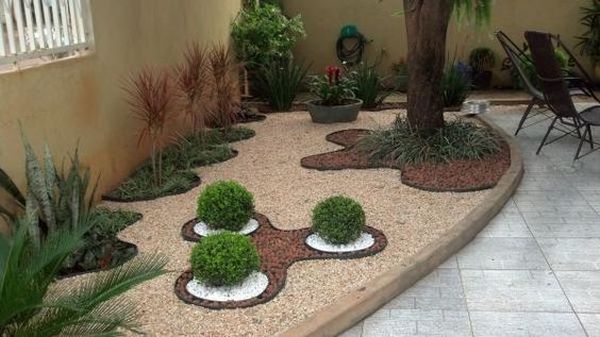
- Versatile Design: Can be shaped into hedges, borders, topiaries, or standalone accents.
- Evergreen Beauty: Provides year-round greenery without seasonal shedding.
- Low Maintenance: Hardy and adaptable with minimal upkeep.
- Works in Any Landscape: Perfect for both traditional and modern garden designs.
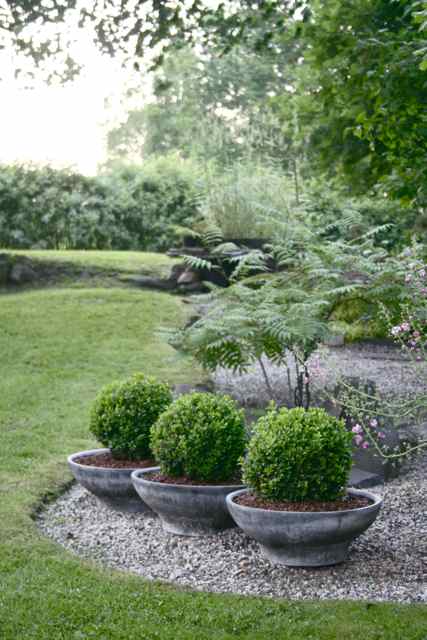
Boxwood Plants for Your Garden: Best Uses & Varieties
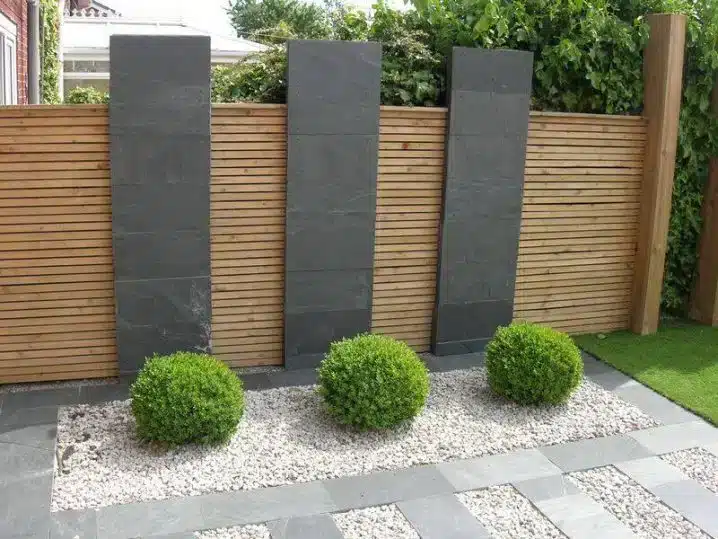
Boxwood shrubs come in many cultivars and varieties, allowing you to create a balanced entryway, a matching border, or a formal hedge.
Their dense, lush foliage makes them perfect for:
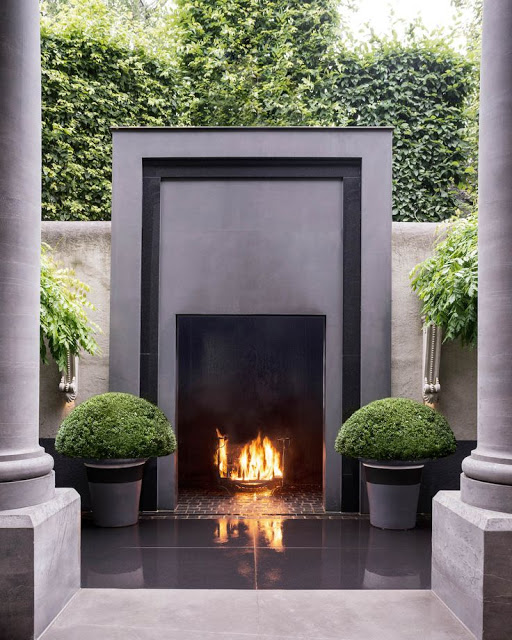
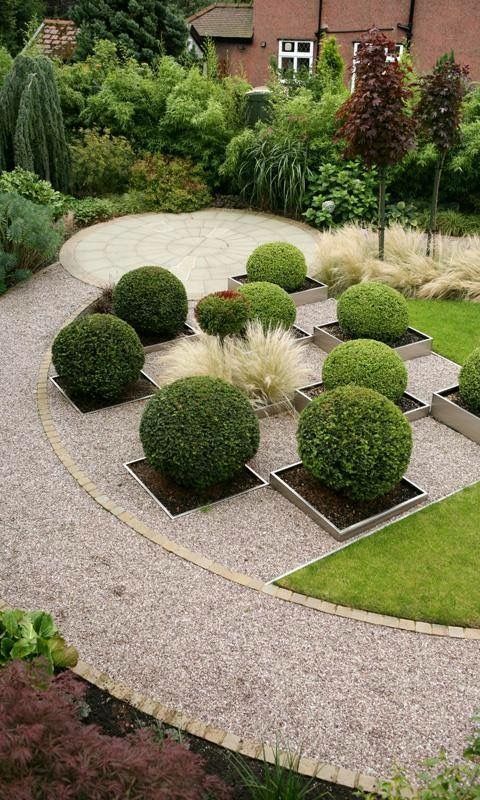
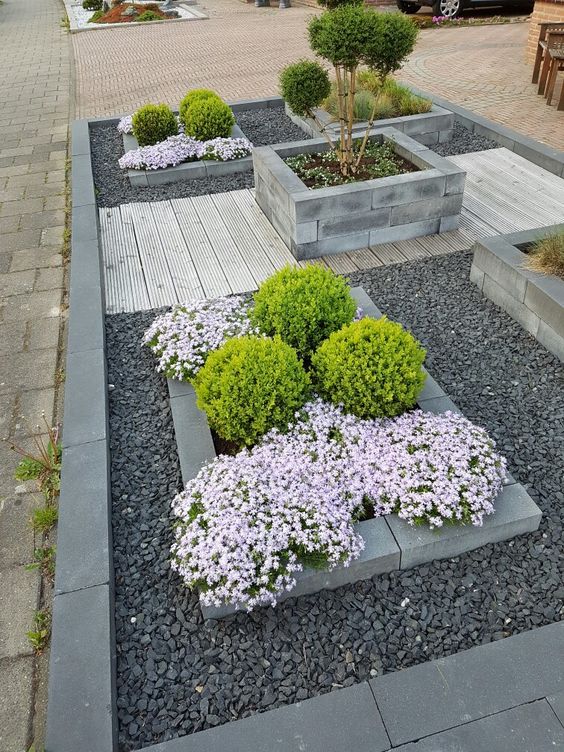
- Formal Gardens: Their ability to be trimmed into geometric shapes makes them a go-to choice for structured gardens.
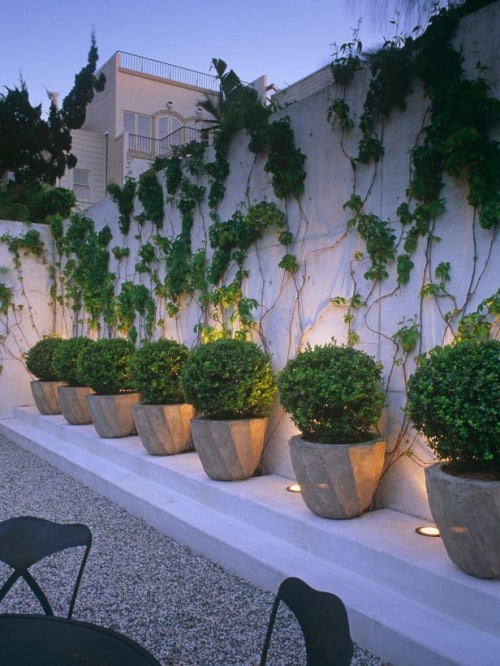
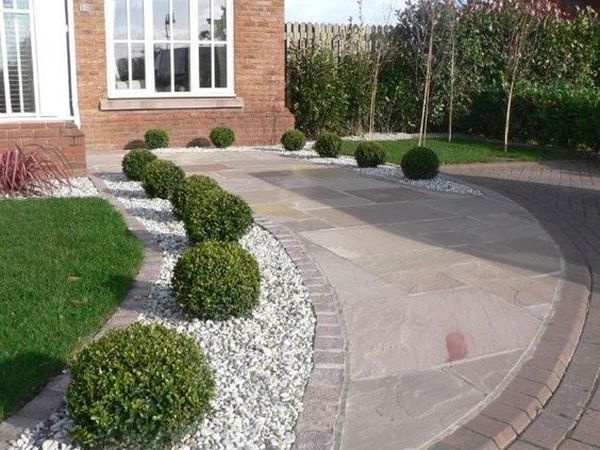
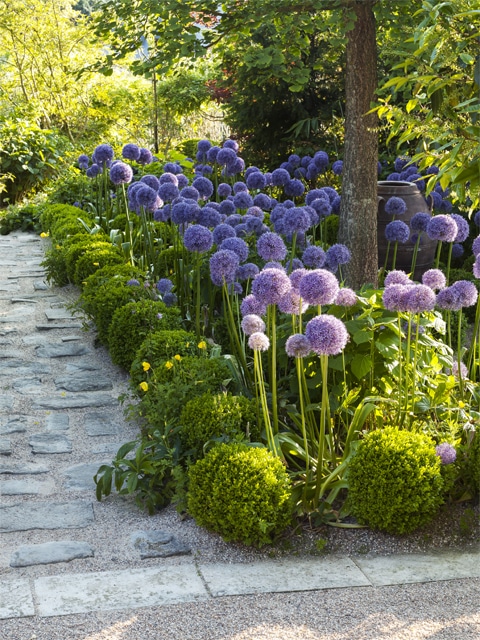
- Hedges & Borders: Boxwoods provide natural fencing and defined pathways.
- Topiary Art: Many gardeners use boxwoods for creative and sculptural pruning.
- Foundation Plantings: They add a sophisticated touch to entryways and driveways.
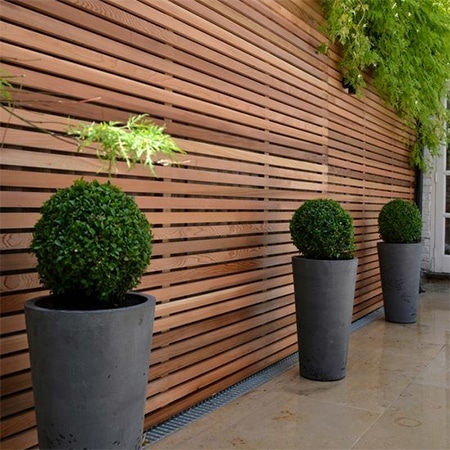
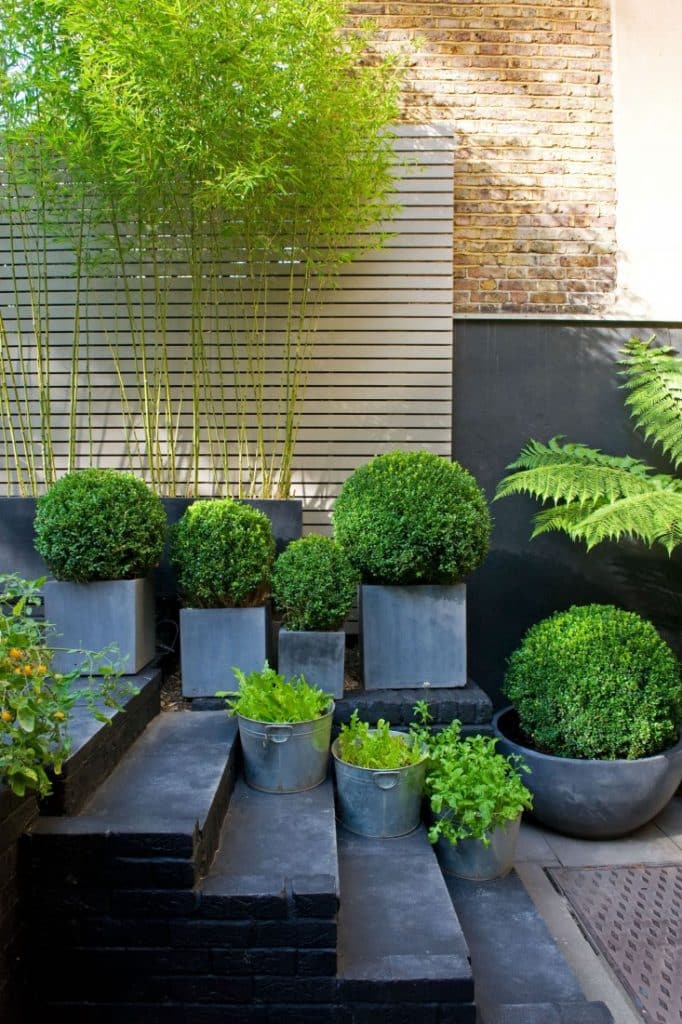
- Potted Accents: Boxwoods grow well in containers, making them perfect for patios and balconies.
Best Boxwood Varieties for Different Uses
Common Boxwood (Buxus sempervirens) – Traditional, fast-growing, ideal for hedges and topiary.
Japanese Boxwood (Buxus microphylla var. japonica) – Heat-tolerant and great for warmer climates.
Dwarf English Boxwood (Buxus sempervirens ‘Suffruticosa’) – Slow-growing, perfect for borders and low hedges.
Green Velvet Boxwood (Buxus ‘Green Velvet’) – Maintains a rounded shape without much trimming.
Winter Gem Boxwood (Buxus microphylla ‘Winter Gem’) – Cold-hardy and retains its green color in winter.
Green Mountain Boxwood (Buxus ‘Green Mountain’) – Pyramidal shape, ideal for vertical accents.
Pro Tip: Choose disease-resistant varieties to avoid common boxwood problems like boxwood blight or leaf spot.
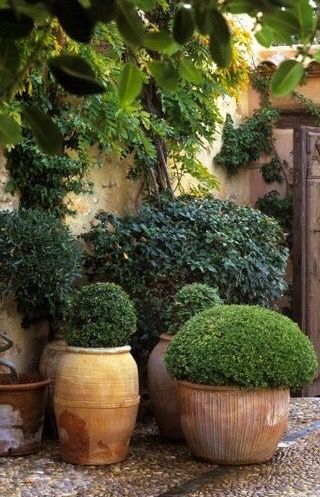
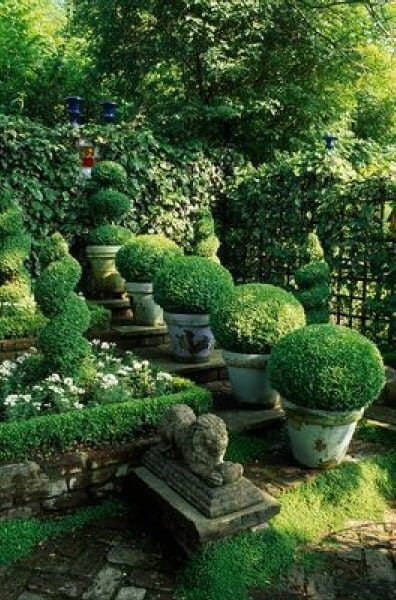
How to Plant Boxwood Shrubs for Optimal Growth
1. Choose the Right Planting Location
Boxwoods thrive in full sun to partial shade.
The ideal location should have:
- At least 4-6 hours of sunlight per day for strong, healthy growth.
- Some afternoon shade in extremely hot climates to prevent scorching.
- Good air circulation to reduce the risk of fungal diseases.
Pro Tip: If planting boxwoods near walkways or driveways, leave enough space for air circulation to prevent moisture buildup.
2. Prepare the Soil
Boxwoods prefer well-drained, slightly acidic to neutral soil.
- Soil Type: Loamy, well-draining soil with a pH between 6.5 and 7.2.
- Improve Drainage: If your soil is heavy clay, add organic matter or sand to improve aeration.
- Avoid Waterlogged Areas: Boxwoods do not tolerate soggy roots, so plant them in areas with good drainage.
Pro Tip: A soil test can help you determine if amendments are needed before planting!
3. Planting Boxwood Shrubs
- Dig a hole twice as wide as the root ball but no deeper than the plant’s existing root level.
- Loosen the roots gently before placing the plant into the hole.
- Fill with soil and pat down firmly to remove air pockets.
- Water deeply after planting to help the roots establish.
Pro Tip: Space boxwood shrubs at least 2-3 feet apart for hedges to allow proper air circulation and prevent disease.
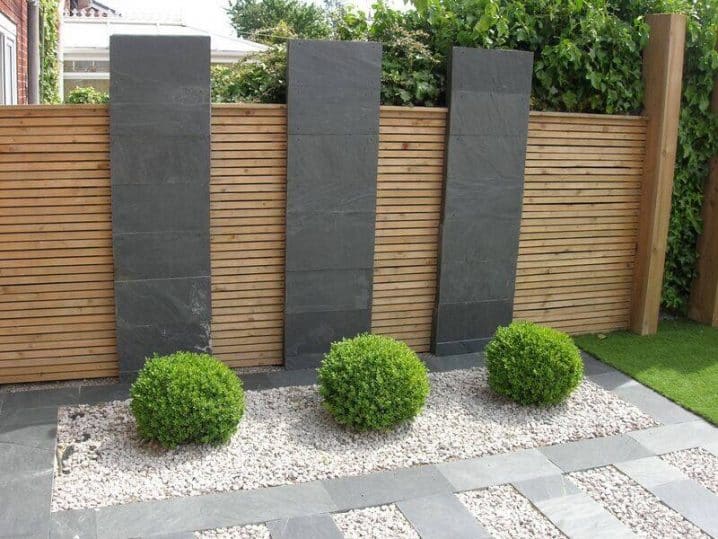
Caring for Boxwood Shrubs
1. Watering & Moisture Control
Boxwoods need consistent moisture, especially when young, but do not tolerate soggy roots.
- Water deeply once or twice a week (adjust based on climate).
- Use drip irrigation or soaker hoses to prevent wet foliage and fungal infections.
- Mulch around the base (2 inches deep) to retain moisture and suppress weeds.
Pro Tip: Reduce watering in winter, as overwatering in cold months can lead to root rot.
2. Pruning & Shaping
Boxwoods grow densely and require occasional pruning to maintain their shape and health.
- Lightly trim 1-2 times per year (spring and late summer).
- Use sharp shears for precise cuts to encourage bushier growth.
- Remove dead or diseased branches to improve air circulation.
Pro Tip: Avoid heavy pruning in late fall to prevent new growth from getting damaged by winter frost.
3. Fertilizing for Healthy Growth
Boxwoods benefit from light fertilization to maintain lush, green foliage.
- Apply a balanced slow-release fertilizer (10-10-10) in early spring.
- Use compost or organic fertilizer for a natural boost.
- Avoid high-nitrogen fertilizers, which can lead to excessive soft growth prone to diseases.
Pro Tip: A soil test can determine if additional nutrients are needed for healthier boxwoods.
Climate Considerations for Boxwood Shrubs
Hot Climates: Provide afternoon shade and extra mulch to retain soil moisture.
Cold Climates: Choose cold-hardy varieties like ‘Winter Gem’ and apply winter mulch to protect roots.
Humid Climates: Ensure good air circulation to prevent fungal issues.
Pro Tip: Boxwoods are deer-resistant, making them perfect for areas where deer damage is common!
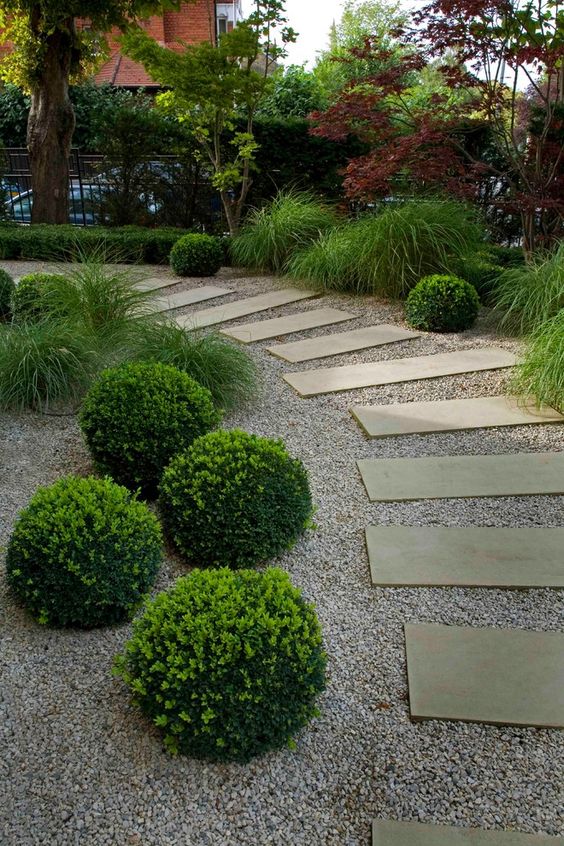
Boxwood shrubs are a timeless garden favorite because of their versatility, low maintenance, and year-round greenery.
Whether you want to create a formal garden, a natural fence, or stylish topiaries, boxwoods offer a classic, elegant touch to any landscape.