Are you struggling with insomnia or finding it hard to relax at night? While lifestyle changes, sleep hygiene, and relaxation techniques can help, plants are a natural, affordable, and effective way to improve your sleep quality.
Certain houseplants purify the air, reduce stress, and promote relaxation, helping you fall asleep faster and wake up feeling refreshed.
Many people who battle poor sleep, stress, and anxiety swear by the power of sleep-inducing plants to create a calm and restful environment.
Here are 10 powerful plants that can help you sleep better naturally!
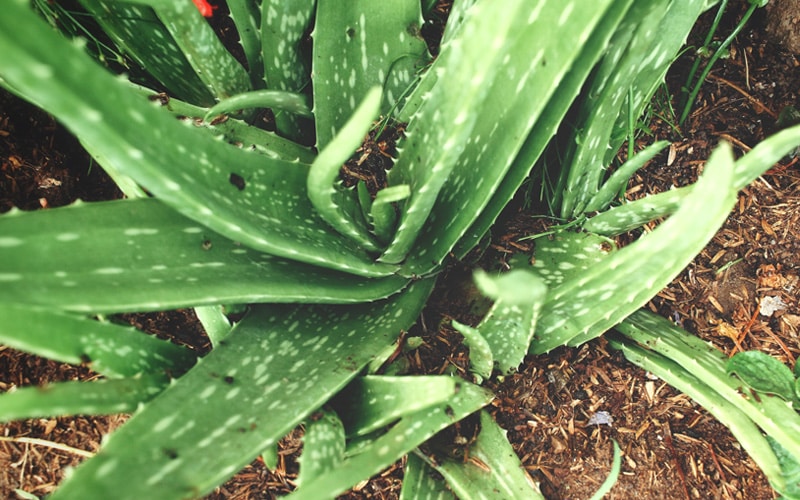
1. Aloe Vera – The Oxygen Booster 🌱
How Aloe Vera Helps You Sleep:
- Releases oxygen at night, improving air quality for easier breathing.
- Reduces airborne toxins, creating a cleaner, fresher sleep environment.
- Low-maintenance plant that thrives in indirect sunlight.
Care Tips:
Place near a sunny window with indirect light.
Water once every 2-3 weeks (allow soil to dry between waterings).
Keep in a well-draining pot to prevent root rot.
Best Placement: Next to your bed or on a nightstand to maximize oxygen flow while you sleep.
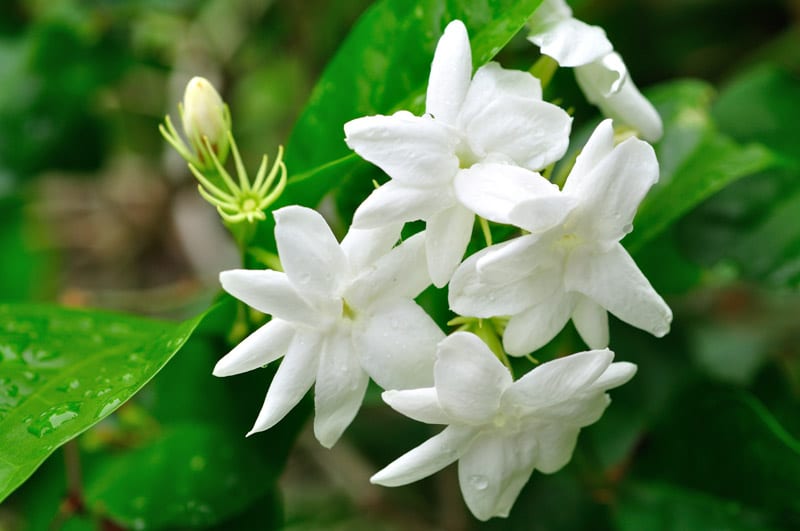
2. Jasmine – The Natural Stress Reliever
How Jasmine Helps You Sleep:
- Its sweet, floral scent reduces anxiety and stress, making it easier to fall asleep faster.
- Helps lower heart rate and promotes relaxation.
- Reduces tossing and turning, leading to deeper sleep.
Care Tips:
Place in bright, indirect sunlight.
Water regularly but avoid overwatering.
Prune to encourage fresh growth and flowers.
Best Placement: Near your bedroom window or on your bedside table to enjoy its calming aroma.
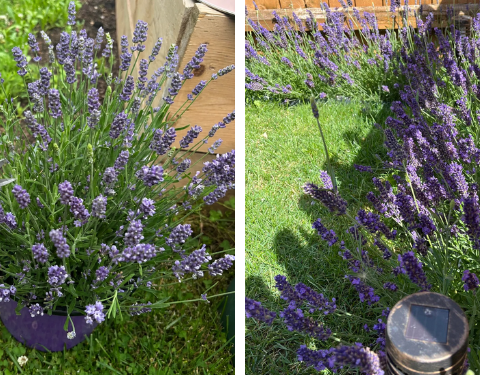
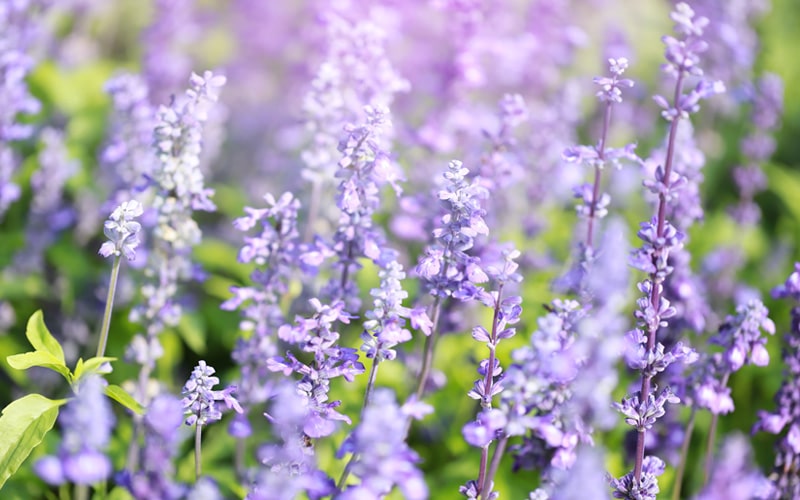
3. Lavender – The Ultimate Sleep Aid
How Lavender Helps You Sleep:
- Scientifically proven to lower blood pressure, heart rate, and stress levels.
- Helps reduce restlessness and improve deep sleep cycles.
- Works well in essential oil form, but a live plant offers the best benefits.
Care Tips:
Needs direct sunlight for at least 4-6 hours daily.
Water sparingly (lavender prefers dry conditions).
Use a well-draining pot with sandy soil.
Best Placement: Near a sunny bedroom window or on a balcony if you sleep with windows open.
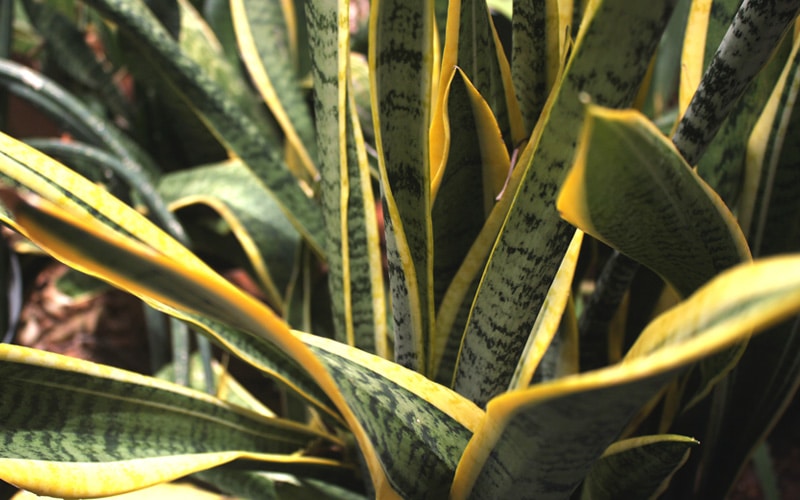
4. Snake Plant – The Air Purifier
How Snake Plants Help You Sleep:
- Removes toxins like formaldehyde, benzene, and carbon dioxide from the air.
- Releases oxygen at night, improving air circulation in your bedroom.
- Low-maintenance and hard to kill, making it perfect for beginners.
Care Tips:
Needs indirect light (but can tolerate low light).
Water only once every 2-3 weeks.
Keep in a well-draining pot.
Best Placement: Near the bedroom door or in a corner for improved air quality.
5. English Ivy – The Allergy Fighter
How English Ivy Helps You Sleep:
- Removes mold, toxins, and airborne pollutants in less than 24 hours.
- Great for asthma or allergy sufferers, improving nighttime breathing.
- Requires minimal light and water, making it easy to care for.
Care Tips:
Needs moderate indirect light.
Water once a week (avoid overwatering).
Train on a hanging trellis or basket.
Best Placement: On a high shelf or hanging basket to keep away from pets and children (it’s toxic if ingested).

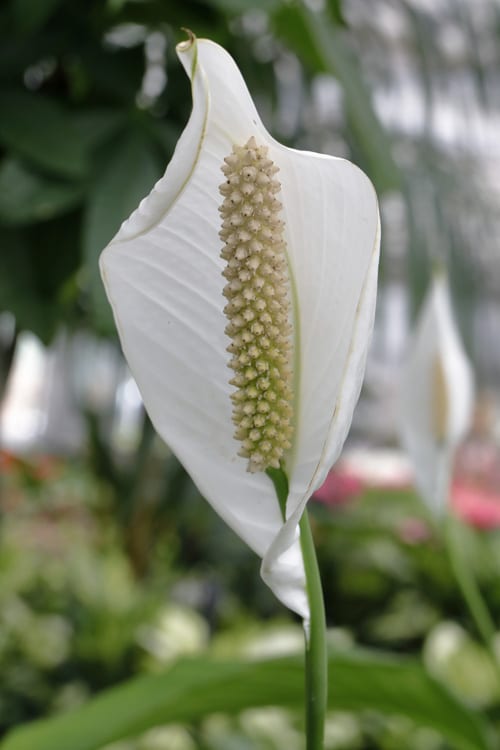
6. Peace Lily – The Humidity Regulator
How Peace Lily Helps You Sleep:
- Adds moisture to dry air, preventing dry throat, itchy skin, and sinus irritation.
- Filters toxins and promotes better air quality.
- Reduces mold spores in the air, making it ideal for asthma sufferers.
Care Tips:
Thrives in partial shade.
Water once a week (mist leaves occasionally).
Avoid direct sunlight, which can burn the leaves.
Best Placement: Near your bed or in a quiet corner for a calming atmosphere.
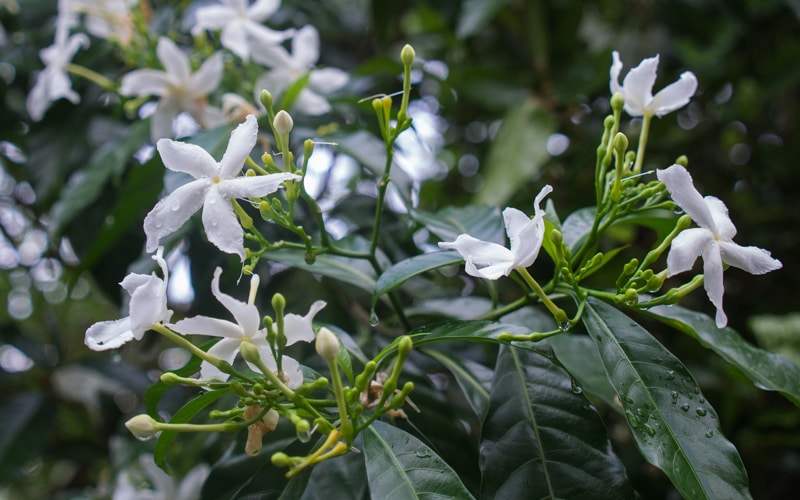
7. Gardenia – The Anxiety Reliever
How Gardenia Helps You Sleep:
- Reduces anxiety and improves sleep quality naturally.
- Works as well as prescription sedatives in clinical studies.
- Releases a pleasant, calming fragrance.
Care Tips:
Needs bright, indirect light.
Prefers acidic, well-draining soil.
Avoid temperatures above 70°F (21°C).
Best Placement: Near your bedroom window for fresh airflow.
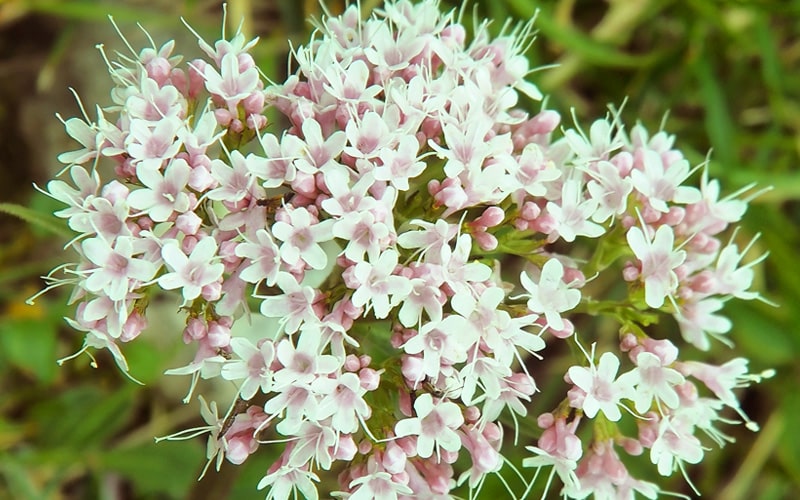
8. Valerian – The Natural Sleep Remedy
How Valerian Helps You Sleep:
- Used since Roman times as a natural sedative.
- Reduces insomnia and restlessness.
- Increases GABA production, a brain chemical that promotes relaxation.
Care Tips:
Needs full sunlight for at least 6 hours daily.
Water moderately (don’t let soil dry out).
Can be grown indoors in pots or herbal gardens.
Best Placement: Near your bedside table or in an herbal garden window.
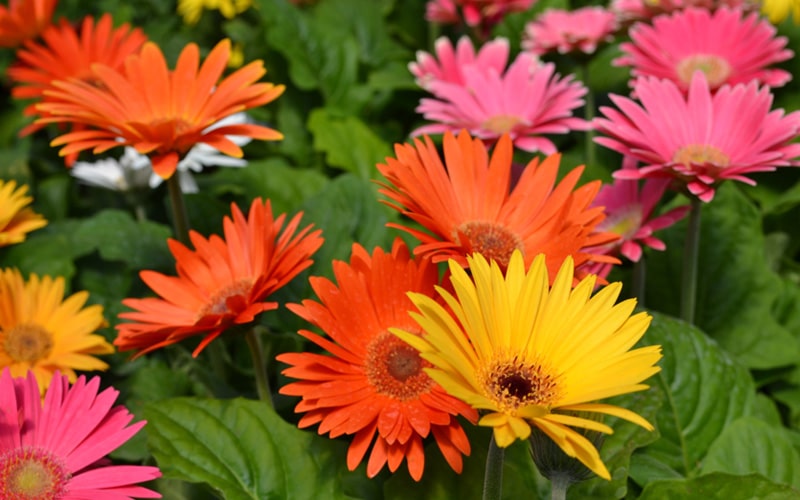
9. Gerbera Daisy – The Oxygen Booster
How Gerbera Daisy Helps You Sleep:
- Releases oxygen all night, improving air quality.
- Great for people with sleep apnea or seasonal allergies.
- Bright and cheerful, adding aesthetic value to your bedroom.
Care Tips:
Needs bright, indirect sunlight.
Water regularly but avoid overwatering.
Susceptible to fungal infections, so ensure good air circulation.
Best Placement: On a windowsill or bedside table.
10. Golden Pothos – The Pollution Fighter
How Golden Pothos Helps You Sleep:
- Removes pollutants and toxins from indoor air.
- Thrives in low-light conditions.
- Requires minimal care, making it a perfect bedroom plant.
Care Tips:
Needs indirect light (but tolerates low light).
Water every 1-2 weeks.
Trim vines to prevent overgrowth.
Best Placement: On a hanging shelf or bookcase.
Bringing sleep-promoting plants into your bedroom can enhance relaxation, improve air quality, and help you sleep better naturally.