Aloe vera is a beloved plant known for its numerous health and skincare benefits. It’s also a hardy, easy-to-care-for plant, making it perfect for both novice and experienced gardeners.
With the right care, your aloe vera plant can thrive and become a beautiful, lush addition to your home.
Here are the best tips for growing and caring for your aloe vera plant, along with one trick to make your plant thick and full.
1. Choosing the Right Container
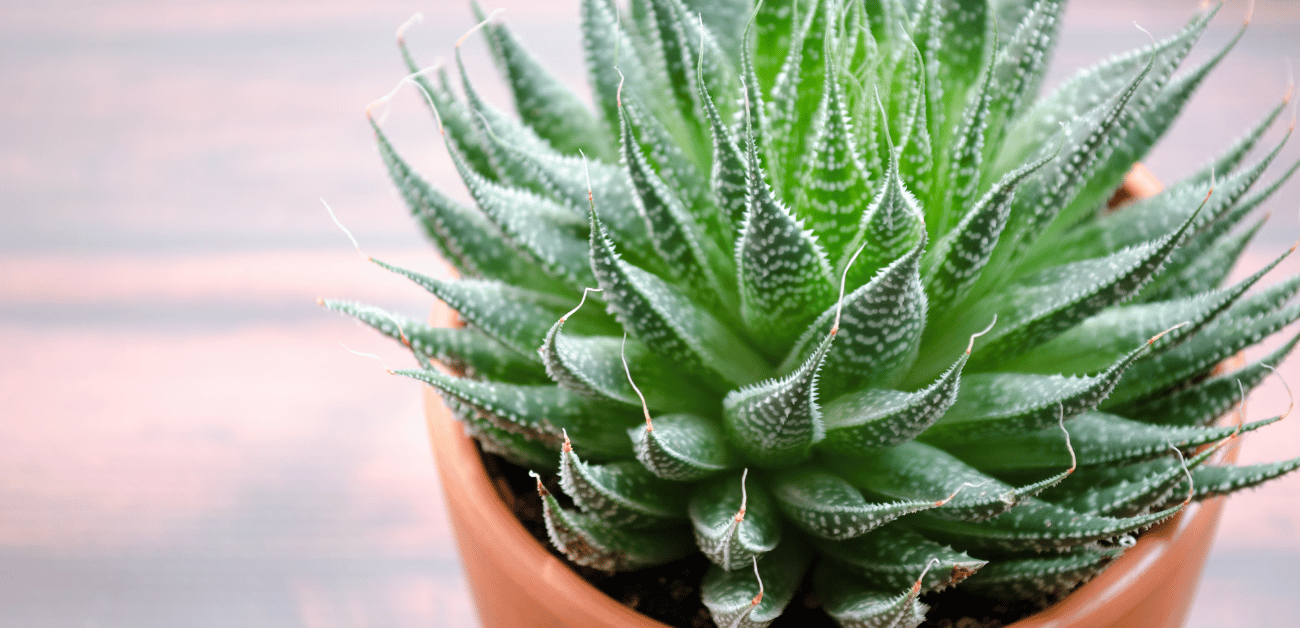
Aloe vera plants thrive in containers with excellent drainage. Choose a pot with drainage holes at the bottom to prevent water from pooling and causing root rot.
Terracotta pots are an ideal choice as they are porous and allow the soil to dry out more quickly.
2. Using the Right Soil
Aloe vera requires well-draining soil to prevent root rot. Use a cactus or succulent potting mix, which is designed to drain quickly.
You can also make your own mix by combining equal parts of regular potting soil, sand, and perlite.
3. Providing Adequate Sunlight
Aloe vera plants need plenty of sunlight to thrive. Place your aloe vera plant in a location that receives at least six to eight hours of bright, indirect sunlight each day.
A south- or west-facing window is ideal. If the leaves start to turn brown or orange, it may be getting too much direct sunlight and should be moved to a slightly shadier spot.
4. Watering Properly
Overwatering is one of the most common mistakes when caring for aloe vera plants. Aloe vera is a succulent and stores water in its leaves, so it doesn’t need frequent watering.
Allow the soil to dry out completely between waterings. During the growing season (spring and summer), water your aloe vera plant approximately every two to three weeks. In the dormant season (fall and winter), reduce watering to about once a month.
5. Temperature and Humidity
Aloe vera plants prefer warm temperatures and low humidity. They thrive in temperatures between 55°F and 80°F (13°C to 27°C).
Avoid exposing your aloe vera to temperatures below 40°F (4°C). Indoors, average household humidity levels are usually sufficient for aloe vera plants.
6. Fertilizing
Aloe vera plants do not require much fertilization. Feed your plant with a balanced, water-soluble fertilizer diluted to half strength once a month during the growing season. Avoid fertilizing in the dormant season.
7. Repotting
Aloe vera plants can become root-bound and may need repotting every two to three years. When repotting, choose a container that is one size larger than the current pot.
Carefully remove the plant from its pot, gently shake off excess soil, and trim any dead or damaged roots. Place the plant in the new pot, fill with fresh soil, and water lightly.
8. Propagation
Aloe vera plants produce offsets, also known as “pups,” which can be used to propagate new plants. To propagate, wait until the offsets are at least a few inches tall.
Gently remove the offset from the parent plant, ensuring it has some roots attached. Plant the offset in a small pot with well-draining soil and water sparingly until it becomes established.
9. Pest Control
Aloe vera plants are relatively pest-resistant, but they can occasionally be affected by common houseplant pests such as aphids, mealybugs, and spider mites.
If you notice pests, treat them with a mild insecticidal soap or neem oil. Wipe the leaves with a damp cloth to remove any pests and prevent infestations.
10. Using Aloe Vera
To use the gel from your aloe vera plant, cut a mature leaf close to the base. Slice the leaf open lengthwise and scoop out the clear gel with a spoon.
The gel can be applied directly to the skin to soothe burns, cuts, and other irritations. Store any unused gel in the refrigerator for up to a week.
One Trick for a Thick and Full Aloe Vera Plant
To encourage your aloe vera plant to become thick and full, regularly remove the pups (offsets) that grow around the base of the plant.
These pups take energy away from the main plant. By removing them, you allow the parent plant to focus its energy on growing larger, healthier leaves. You can replant the pups to propagate new aloe vera plants.
How to Remove Pups:
- Identify the Pups: Look for small offshoots growing around the base of the main plant.
- Gently Remove the Pups: Use a clean knife or your hands to gently separate the pups from the main plant, making sure each pup has some roots attached.
- Replant the Pups: Plant the pups in their own pots with well-draining soil. Water them lightly and place them in a bright, indirect light location.
By regularly removing the pups, you ensure that your main aloe vera plant remains robust, allowing it to grow thicker and fuller.
Growing and caring for an aloe vera plant is straightforward and rewarding. By following these best tips and the trick for a thicker, fuller plant, you can enjoy a healthy, vibrant aloe vera that not only looks beautiful but also provides numerous benefits.
Whether you’re using it for its healing properties or as a decorative houseplant, aloe vera is a valuable addition to any home. Happy gardening!