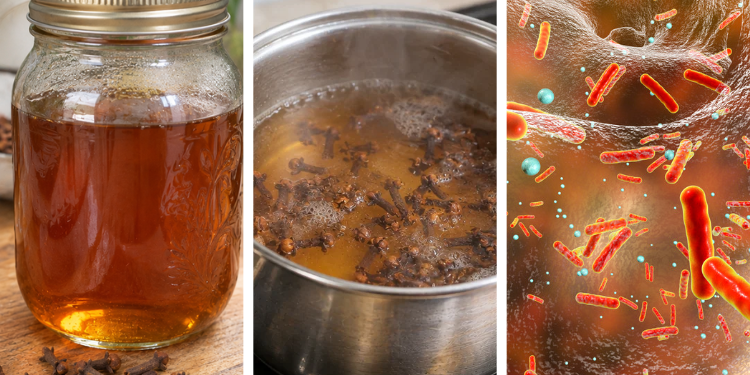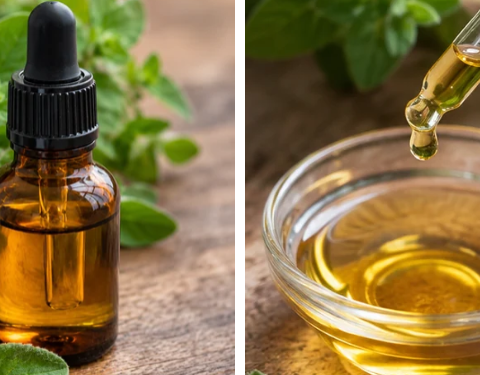
In the growing realm of evidence-based natural wellness and plant-derived antimicrobials, few spices command as much attention from modern microbiologists as the dried flower buds of the clove tree (Syzygium aromaticum).
Long prized in traditional medicine systems for their numbing and antiseptic properties, cloves are now frequently featured in health headlines, social media posts, and herbal wellness forums.
Among these claims, one statistic circulates with particular frequency: that clove extract can eliminate up to 90% of harmful bacteria within 48 hours.
For consumers seeking natural food preservatives, oral hygiene alternatives, or eco-friendly sanitizers, such a dramatic figure sounds exceptionally promising.
However, evaluating whether clove extract truly achieves a 90% bacterial reduction in 48 hours requires moving past viral summaries to analyze the precise microbiological studies behind the claim.
Here is an evidence-based examination of how clove extract interacts with bacterial cells, the specific laboratory findings driving the 90% claim, the primary active compounds involved, and how these findings translate from test tubes to real-world applications.
The Origin of the Claim: In Vitro Microbiological Research
The assertion that clove extract reduces harmful bacteria by 90% within 48 hours originates from controlled in vitro (laboratory test tube and agar plate) experiments rather than human clinical trials.
Microbiologists testing natural plant extracts against pathogenic microorganisms typically evaluate parameters such as Minimum Inhibitory Concentration (MIC) and time-kill kinetics.
In several published peer-reviewed studies examining foodborne pathogens and oral bacteria:
-
Time-Kill Kinetic Assays: Researchers introduced standardized concentrations of ethanol or water-based clove extracts (or pure clove essential oil) into liquid cultures containing high baseline populations of bacteria – such as Escherichia coli, Staphylococcus aureus, Pseudomonas aeruginosa, and Streptococcus mutans.
-
The 48-Hour Threshold: Over observation periods ranging from 2 to 48 hours, researchers measured colony-forming units (CFUs). Under specific, optimized laboratory concentrations, clove extract consistently demonstrated a log-reduction in bacterial viability, frequently achieving a 90% to 99.9% drop in viable bacterial counts within 24 to 48 hours.
While the statistic is grounded in genuine laboratory data, understanding how clove extract accomplishes this reduction requires a closer look at its phytochemistry.
The Phytochemistry: Why Clove Extract Destroys Bacteria
The antimicrobial potency of clove extract is largely attributed to its unique essential oil profile, which makes up $15\%\text{ to }20\%$ of the dried bud’s total mass.
1. Eugenol (4-Allyl-2-methoxyphenol)
Eugenol is the dominant active compound in cloves, accounting for 70% to 90% of the essential oil content.
It is a volatile phenolic constituent with strong hydrophobic properties. Because eugenol is lipophilic (fat-soluble), it readily integrates into the lipid-rich cell membranes of surrounding bacteria.
2. Eugenyl Acetate and Beta-Caryophyllene
Making up the remainder of the oil profile, eugenyl acetate and the sesquiterpene beta-caryophyllene work synergistically with eugenol, enhancing the extract’s stability and membrane-penetrating capabilities.
The Mechanism: How Eugenol Kills Bacterial Cells
Unlike targeted pharmaceutical antibiotics that block internal protein synthesis (such as tetracyclines) or inhibit cell wall cross-linking (such as penicillins), eugenol operates primarily via direct membrane destabilization and cytoplasmic disruption:
-
Membrane Permeabilization: Eugenol molecules insert themselves directly into the bacterial phospholipid bilayer. This insertion alters the fluidity and permeability of the cell membrane.
-
Intracellular Leakage: As structural integrity breaks down, the bacterial cell loses its ability to regulate osmotic pressure. Essential intracellular components—including potassium ions, phosphate, and adenosine triphosphate —leak rapidly out of the cell.
-
Enzyme Inhibition and Lysis: Eugenol inhibits key membrane-bound enzymes (such as ATPase), depriving the bacterium of energy. Without an intact membrane or metabolic balance, the cell undergoes irreversible cell rupture (lysis) and dies.
In Vitro Testing vs. Real-World Applications
To properly contextualize the “90% in 48 hours” statistic, it is vital to distinguish between isolated laboratory settings and complex real-world environments.
| Parameter | Laboratory In Vitro Assays | Real-World Application (Oral / Surface / Food) |
| Environmental Control | Constant temperature, optimal pH, no competing organic matter | Variable temperature, changing pH, presence of proteins and fats |
| Bacterial Environment | Planktonic (free-swimming) bacterial suspensions | Complex, multi-species biofilms (e.g., dental plaque) |
| Extract Concentration | High, standardized dosage applied continuously for 48 hours | Rapidly diluted by saliva, rinse water, or digestive fluids |
| Toxicity Safety Margin | Not a factor in a glass tube | Must remain low enough to prevent tissue irritation or toxicity |
The Challenge of Biofilms
In a glass flask, bacteria float freely as isolated cells (planktonic state), making them easy targets for eugenol.
In the human mouth or on kitchen surfaces, however, bacteria construct protective, slimy matrices known as biofilms (such as dental plaque).
Biofilms restrict the physical penetration of antimicrobial agents. While clove extract can disrupt biofilms, achieving a 90% reduction in a mature biological biofilm often requires higher concentrations or mechanical scrubbing (such as brushing) alongside the extract.
Practical Applications of Clove Extract
Despite the differences between petri dishes and living organisms, the antimicrobial power of clove extract is widely utilized across several practical fields:
1. Oral Hygiene and Dentistry
Clove oil has long been used in dentistry (often formulated as zinc oxide eugenol) due to its dual action: eugenol acts as a local anesthetic by numbing nerve endings while simultaneously inhibiting oral pathogens like Streptococcus mutans, the primary bacterium responsible for dental caries and tooth decay.
2. Natural Food Preservation
In food science, synthetic preservatives are increasingly replaced by plant-derived alternatives. Clove extract added to edible film coatings or food packaging significantly reduces lipid oxidation and inhibits foodborne pathogens like Listeria monocytogenes and Salmonella on stored meats and produce.
3. Surface Disinfection
Combining diluted clove extract or essential oil with water and mild surfactants creates an effective natural spray for non-porous household surfaces, helping eliminate household mold spores and bacterial buildup without harsh synthetic fumes.
Step-by-Step: Safe Preparation of a Homemade Clove Rinse
To use the natural antimicrobial properties of clove safely at home for oral hygiene or surface care, follow this standardized preparation:
Safety Precautions and Guidelines
While clove extract is a natural plant material, its high eugenol content requires respect:
-
Never Swallow Pure Essential Oil: Undiluted clove essential oil is highly concentrated and can cause mucosal burns, stomach upset, or liver strain if ingested.
-
Tissue Irritation: Using over-concentrated clove preparations on gums can cause local redness or contact dermatitis. Always dilute essential oils in a carrier oil (like coconut or olive oil) or water.
-
Bleeding Risks: Eugenol possesses mild anti-platelet activity. Discontinue high-dose clove supplements at least 14 days before any scheduled surgery.
The claim that clove extract reduces harmful bacteria by 90% in 48 hours is scientifically validated in laboratory settings.
Driven by the membrane-disrupting power of eugenol, clove extract remains one of nature’s most effective, versatile, and well-studied antimicrobial agents.