
Most of the colorful geraniums grown in summer containers are actually tender perennials, meaning they can survive for several years when protected from freezing temperatures.
These popular plants, botanically known as Pelargoniums, don’t have to be replaced every spring. With a little preparation, they can survive winter indoors and return with fresh foliage and beautiful flowers when warmer weather arrives.
Even better, you can take cuttings from healthy plants and grow additional geraniums without buying new ones.
7 Essential November Care Tips for Geraniums
1. Bring Your Geraniums Indoors Before Freezing Temperatures
The most important step in saving geraniums is protecting them from frost.
Unlike hardy cranesbill geraniums, common bedding geraniums (Pelargoniums) generally cannot survive prolonged freezing temperatures. Even a light frost can damage their leaves and flowers, while a hard freeze may kill the stems and roots.
If your geraniums are still outside in November, check the weather forecast carefully.
Move container-grown plants indoors before freezing temperatures arrive. If they’re growing directly in garden beds, carefully lift them with as much of their root system intact as possible and transplant them into pots with drainage holes.
Choose a bright, cool location such as an enclosed porch, sunroom, or frost-free spare room.
Ideally, temperatures should remain around 45–60°F (7–16°C) for cool winter storage.
If your plants have already experienced a light frost, inspect the stems. Firm, green stems may still recover, even if some leaves have been damaged.
However, blackened, mushy stems can indicate serious freezing injury.
2. Remove Dead Leaves and Trim Excessively Long Stems
After months of active growth and flowering, geraniums often become tall, leggy, and untidy.
November is a good time to remove damaged material before moving plants into winter storage.
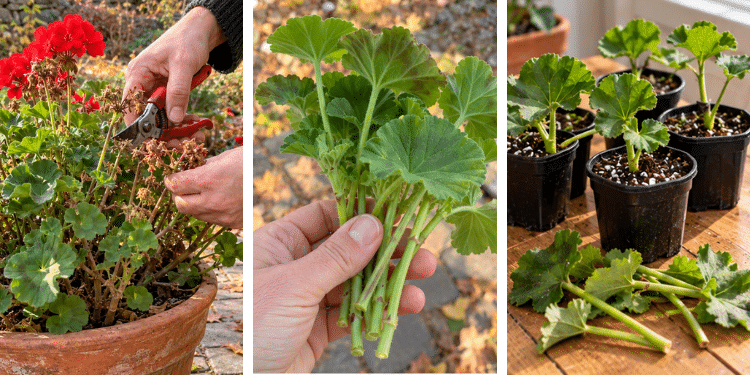
Start by cutting away dead flower stalks, yellowing leaves, broken branches, and visibly diseased stems.
This improves airflow and reduces the amount of decaying plant material around the plant.
If your geranium has become particularly large, shorten some of the longest stems to make it easier to accommodate indoors.
Use clean, sharp pruning shears and make cuts just above healthy leaf nodes.
However, avoid severe pruning if you intend to keep your geranium actively growing in a bright room throughout winter.
November tip: Plants being stored in cool, semi-dormant conditions can sometimes tolerate stronger pruning than those kept actively growing. Adjust your approach to the storage method you’re using.
3. Reduce Watering to Prevent Root Rot
One of the most common reasons geraniums fail during winter is excessive watering.
During summer, geraniums growing in sunny containers may need frequent moisture. But in November, shorter days and cooler temperatures slow their growth considerably.
As a result, they use less water, and the potting mix remains damp for longer.
Continuing the same watering schedule used during July or August can cause the roots to remain constantly wet.
This creates conditions that encourage root rot and stem decay.
Check the soil before watering. Allow the upper portion of the potting mix to dry, then water only when necessary.
Always let excess water drain away and empty any water collecting in saucers.
Geraniums kept in cool, semi-dormant conditions may need only occasional watering.
November tip: Slightly dry soil is generally safer than constantly saturated soil during winter. However, don’t allow potted plants to become so dry that their stems begin shriveling.
4. Give Your Geraniums Enough Light During Winter
Geraniums need different amounts of light depending on whether they’re actively growing or resting.
If you want your plants to remain green throughout winter, place them near a bright window where they receive several hours of natural daylight.
A sunny south-facing window can be particularly useful in the Northern Hemisphere.
If your home receives limited winter sunlight, a grow light may help prevent weak, stretched growth.
Geraniums kept in warm rooms without enough light often develop long, pale stems as they reach toward the nearest light source.
These stems are usually less sturdy than growth produced under brighter conditions.
Alternatively, mature zonal geraniums can sometimes be kept in a cool, semi-dormant state, where they require considerably less light.
November tip: Avoid placing geraniums directly beside radiators, heating vents, or frequently opened exterior doors. Sudden temperature changes can stress the plants.
5. Check for Hidden Pests Before Winter Storage
Outdoor geraniums can carry insects that become troublesome once the plants are brought indoors.
Common pests include aphids, whiteflies, spider mites, and mealybugs.
These insects may hide beneath leaves, around flower buds, or where stems join the main plant.
Before placing geraniums near your houseplants, inspect them carefully.
Look for sticky residue, distorted leaves, fine webbing, or small insects clustered around new growth.
Remove dead foliage and clean away debris from the soil surface.
If pests are present, identify them and choose an appropriate treatment labeled for the plant and pest.
Keeping newly brought-in geraniums separate from other houseplants for a short observation period can help prevent infestations from spreading.
November tip: Good airflow is important during winter. Avoid crowding geraniums tightly together, especially in rooms with limited ventilation.
6. Take Healthy Cuttings to Grow New Geraniums for Free
One of the best reasons to save your geraniums is the opportunity to multiply them.
Instead of purchasing new plants every spring, you can propagate your favorite varieties from healthy stem cuttings.
A large, established geranium may provide several suitable stems, allowing you to grow multiple new plants from a single parent.
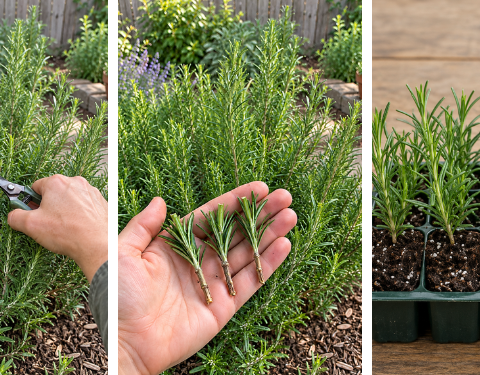
How to Take Geranium Cuttings
- 1. Select a healthy stem: Choose a firm, nonflowering shoot approximately 3–5 inches long. Avoid stems showing signs of disease, rot, or insect damage.
- 2. Make a clean cut: Use sharp scissors to cut just below a leaf node, where roots can develop.
- 3. Remove the lower leaves: Leave two or three healthy leaves near the top and remove any flower buds.
- 4. Prepare the growing medium: Fill a small pot with a lightly moist, well-draining propagation mix containing perlite or another suitable drainage material.
- 5. Insert the cutting: Place the lower portion of the stem into the growing medium and gently firm the soil around it.
- 6. Provide suitable conditions: Keep the cutting in bright, indirect light at approximately 65–75°F (18–24°C), avoiding intense sunlight and excessive moisture.
Under favorable conditions, geranium cuttings may begin developing roots within two to four weeks.
Once established, they can be transferred into individual containers and grown indoors until spring.
November tip: Take several cuttings rather than relying on only one. Not every cutting will root successfully, but starting with healthy material improves your chances.
7. Choose the Best Overwintering Method for Your Space
There are several ways to keep geraniums alive through winter, and the best choice depends on your available space and growing conditions.
Method 1: Keep Geraniums Growing in Pots
This is usually the easiest method for beginners.
Bring the plants indoors, place them in a bright location, and reduce watering as growth slows.
Remove dead leaves periodically and monitor for pests.
The plants may produce occasional flowers during winter if light and temperatures are suitable.
Method 2: Store Geraniums Cool and Semi-Dormant
Mature geraniums can sometimes be overwintered in a cool, frost-free location with minimal growth.
Water sparingly and inspect the plants regularly to make sure the stems remain firm and healthy.
This method can be useful when you have limited bright indoor space.
Method 3: Try Traditional Bare-Root Storage
Some gardeners save mature zonal geraniums by lifting them from the soil, removing most of the potting mix, and storing them bare-root in cool, frost-free conditions.
This traditional technique saves space but is less predictable than keeping plants in containers.
The plants must be checked periodically for excessive drying, mold, or rotting.
November tip: If this is your first time overwintering geraniums, keeping them in pots in a bright, cool room is generally the most reliable approach.
How to Wake Up Your Geraniums Next Spring
As daylight increases and temperatures begin warming, overwintered geraniums gradually resume active growth.
Inspect each plant and remove any dead or damaged stems.
If the roots have become crowded or the potting mix has deteriorated, repot into fresh, well-draining compost.
Increase watering gradually as new leaves develop.
Once the plants are actively growing, begin feeding with a suitable balanced fertilizer according to the product instructions.
Before returning them outdoors permanently, gradually acclimate them to outdoor conditions over approximately one to two weeks.
Start with a sheltered location and increase sunlight exposure slowly.
Wait until the danger of frost has passed before leaving tender geraniums outside overnight.
Spring tip: Don’t move indoor-grown geraniums directly into strong afternoon sunlight. Sudden exposure can scorch tender leaves.
Geraniums don’t have to be disposable summer flowers. November is an important time to give these plants the care they need before winter settles in.