
Few culinary herbs combine the rustic charm, aromatic intensity, and practical versatility of oregano (Origanum vulgare).
A staple of Mediterranean cooking and traditional herb gardens, this resilient perennial is celebrated for its fragrant green leaves, delicate clusters of flowers, and unmistakable warm, peppery flavor.
Here are six compelling reasons to grow this Mediterranean favorite, followed by twenty creative ways to use its leaves, flowers, and stems throughout your home.
6 Compelling Reasons to Grow Oregano
If you’re looking for a productive, low-maintenance herb that offers benefits beyond the kitchen, oregano deserves a prominent place in your garden.
1. A Valuable Food Source for Pollinators
When oregano begins flowering in summer, its tiny pink, purple, or white blossoms become a gathering place for beneficial insects.
The nectar-rich flowers attract honeybees, native bees, butterflies, and hoverflies, making oregano a useful addition to pollinator-friendly landscapes.
These insects may also visit nearby flowering vegetables and fruit crops, supporting pollination throughout the garden.
Unlike herbs harvested continuously before flowering, oregano can be allowed to bloom without sacrificing its long-term productivity.
By leaving several stems untouched, you create a small but valuable nectar source while enjoying the plant’s ornamental beauty.
2. Exceptional Drought Tolerance and Easy Maintenance
Oregano originates from regions where summers are often hot and relatively dry.
Once established, its root system allows it to tolerate periods of limited rainfall better than many tender leafy herbs.
It thrives in full sunlight and well-draining soil, including moderately poor or rocky growing conditions.
Excessive watering and constantly saturated soil are often more damaging than occasional dryness.
This makes oregano an excellent choice for raised beds, sunny borders, rock gardens, and water-conscious landscaping.
3. A Natural Companion for Vegetable Gardens
Oregano makes an attractive companion plant for tomatoes, peppers, eggplants, and other vegetables that enjoy sunny conditions.
Its low-growing foliage can cover exposed soil, while its flowers attract beneficial insects.
Flowering oregano may support populations of hoverflies and other insects whose larvae feed on certain garden pests.
However, oregano should not be considered a guaranteed pest repellent or a replacement for proper pest management.
Its greatest advantage is helping create a more diverse garden environment.
4. A Continuous Harvest From Spring Through Autumn
Unlike annual herbs that must be replanted every year, oregano is a perennial in many climates.
Common oregano varieties are often hardy in approximately USDA Zones 4–9, although hardiness varies by cultivar and growing conditions.
A healthy plant can provide repeated harvests throughout the growing season.
Regular trimming encourages branching and produces additional tender shoots suitable for cooking and drying.
With proper care, one established plant can remain productive for several years.
5. A Rich Source of Aromatic Plant Compounds
Oregano contains naturally occurring compounds that contribute to its strong aroma and flavor.
Carvacrol and thymol are particularly well studied for their antimicrobial activity in laboratory settings, while rosmarinic acid contributes antioxidant properties.
These findings help explain why oregano has attracted interest in food science and traditional herbal practices.
However, eating oregano or drinking oregano tea has not been proven to treat infections, eliminate toxins, or cure chronic diseases.
Its most reliable benefit is as a flavorful culinary herb that can help make nutritious meals more enjoyable.
6. An Easy Herb to Multiply for Free
One of oregano’s most practical advantages is how easily it can be propagated.
Established plants can often be divided in spring, while healthy nonflowering stems can be rooted as cuttings during the growing season.
A single mature plant may provide enough material to create several new oregano plants.
These can be used to fill garden borders, establish additional herb containers, or share with friends and family.
Because oregano can spread vigorously, growing it in containers is also an excellent way to manage its growth.
20 Brilliant and Practical Ways to Use Your Oregano Harvest
From homemade seasonings and infused oils to fragrant household preparations and garden projects, oregano offers a remarkable variety of uses.
Creative Culinary Innovations
- 1. Homemade Italian Seasoning: Combine two tablespoons of dried oregano with one tablespoon each of dried basil, thyme, and rosemary. Store the mixture in an airtight jar and use it to season pasta sauces, roasted vegetables, soups, and homemade pizza.
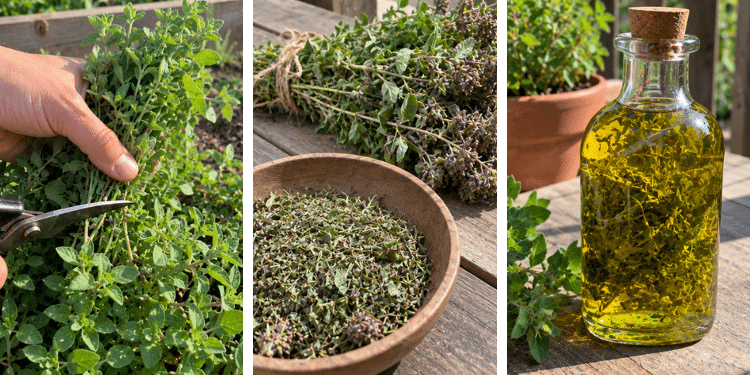
- 2. Mediterranean Oregano Olive Oil: Gently warm olive oil with fresh oregano sprigs to release their fragrance, then strain and use immediately over bread or roasted vegetables. Refrigerate any leftover fresh-herb oil promptly and use within four days because improperly stored herb-infused oils can pose a botulism risk.
- 3. Aromatic Oregano Vinegar: Place clean, thoroughly dried oregano sprigs in a glass jar and cover them with white wine vinegar. Allow the herbs to infuse for one to two weeks, then strain. The resulting vinegar adds a delicious Mediterranean flavor to salads, marinades, and homemade dressings.
- 4. Savory Oregano Herb Butter: Mix softened butter with finely chopped oregano, lemon zest, and a small pinch of salt. Shape into a log, refrigerate, and slice over roasted potatoes, grilled vegetables, warm bread, or cooked fish.
- 5. Homemade Oregano Bread: Add chopped fresh oregano or dried leaves to focaccia, flatbread, dinner rolls, or savory biscuits. The herb’s warm, peppery flavor pairs especially well with olive oil, garlic, olives, and tomatoes.
Natural Home & Kitchen Solutions
- 6. Fragrant Kitchen Simmer Pot: Combine several oregano sprigs with lemon slices and rosemary in a saucepan of water. Simmer gently to release a fresh herbal aroma throughout the kitchen. Add water as needed and never leave the saucepan unattended.
- 7. Traditional Herbal Drawer Sachets: Fill small breathable cotton bags with completely dried oregano leaves, lavender buds, and rosemary. Place them inside drawers or closets for a pleasant botanical fragrance. These sachets are decorative rather than a reliable treatment for clothing moth infestations.
- 8. Homemade Oregano Cleaning Vinegar: Add oregano sprigs and citrus peels to a jar of white vinegar and allow them to infuse for approximately two weeks. Strain and dilute as appropriate for routine cleaning of vinegar-safe surfaces. Avoid natural stone, and remember that homemade herbal vinegar is not a registered disinfectant.
- 9. Oregano-Infused Kitchen Deodorizer: Place a small bowl of dried oregano mixed with lemon peel near the kitchen sink or another dry location. The herbs provide a subtle fragrance that can help freshen the surrounding area, although they won’t eliminate the underlying source of persistent odors.
- 10. Homemade Herbal Gift Jars: Layer dried oregano with thyme, basil, rosemary, and other culinary herbs inside decorative glass jars. Add a handwritten label with suggested uses. These inexpensive homemade seasoning blends make thoughtful gifts for gardeners and home cooks.
Home Apothecary & Self-Care
- 11. Traditional Oregano Herbal Tea: Steep one teaspoon of dried oregano or two teaspoons of fresh leaves in a cup of hot water for five to ten minutes. Strain and enjoy as a warming herbal beverage. Oregano tea has a long history of traditional use, although evidence for specific medicinal benefits remains limited.
- 12. Relaxing Herbal Foot Soak: Steep a handful of oregano leaves in hot water, strain, and add the cooled infusion to a basin of comfortably warm water. Soak your feet for ten to fifteen minutes as part of a relaxing evening routine. This is not a proven treatment for athlete’s foot or other infections.
- 13. Aromatic Herbal Bath Sachets: Combine dried oregano with lavender, chamomile, and rosemary in a tightly secured muslin bag. Place the bag in warm bathwater to release a gentle herbal fragrance without scattering plant material throughout the tub. Avoid use if the herbs irritate your skin.
- 14. Botanical Oregano Soap: Add a small amount of finely crushed, completely dried oregano to an unscented melt-and-pour soap base. The leaves create decorative flecks and a rustic herbal appearance. Avoid excessive plant material or undiluted oregano essential oil, which can irritate sensitive skin.
- 15. Fragrant Herbal Body Oil: Infuse completely dried oregano leaves in a suitable carrier oil using clean, dry equipment, then strain carefully. Because oregano can irritate skin, patch-test a small area first and avoid broken or sensitive skin. Don’t apply concentrated oregano essential oil directly.
Crafting, Decor, and Garden Utility
- 16. Traditional Dried Herb Bundles: Harvest oregano stems before or around early flowering, tie them into small bundles, and hang them upside down in a dry, well-ventilated location away from direct sunlight. Once completely dry, the bundles can be displayed in a rustic kitchen or stored for cooking.
- 17. Botanical Pressed Flower Art: Collect oregano’s tiny flowering stems and arrange them between sheets of absorbent paper inside a heavy book or flower press. Once dried, use the delicate flowers to decorate handmade greeting cards, bookmarks, framed botanical prints, or gift tags.
- 18. Homemade Oregano Seed Collection: Allow several flower clusters to mature and dry naturally on the plant. Collect the tiny seeds, dry them thoroughly, and store them in a labeled paper envelope in a cool, dry location. Seed-grown plants may vary from the parent, particularly with hybrid varieties.
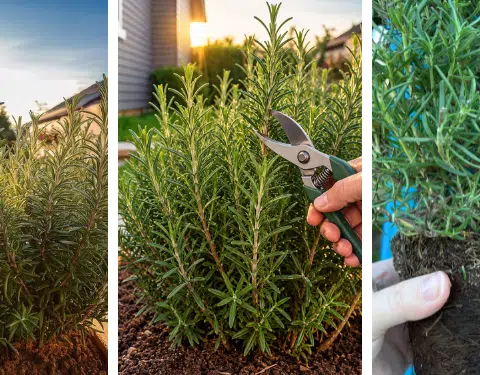
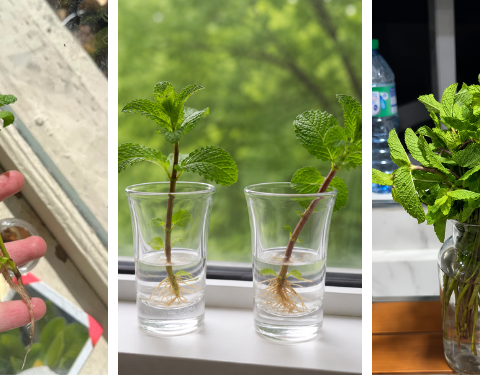
- 19. Free Oregano Plants From Cuttings: Cut a healthy, nonflowering stem approximately four to five inches long and remove the lower leaves. Insert it into lightly moist, well-draining propagation mix and keep it in bright, indirect light. Once roots develop, transplant the cutting into its own container.
- 20. Living Pollinator-Friendly Garden Borders: Allow oregano to spread along sunny garden edges or between other Mediterranean herbs such as thyme, lavender, and sage. Its fragrant foliage creates an attractive low-growing border, while its summer flowers provide nectar for visiting pollinators.
Harvesting Checklist for Maximum Flavor
To get the best aroma and flavor from your oregano, harvest it at the right stage and handle the leaves carefully.
1. Choose a Dry Morning: Timing.
Harvest oregano after the morning dew has evaporated but before the strongest midday heat. Dry foliage is easier to handle and less likely to develop problems during storage.
2. Look for Healthy Growth: Leaf Inspection.
Select vigorous stems with fresh, aromatic leaves. Oregano often has excellent flavor just before flowering, although it remains usable after flowers appear. Avoid stems showing signs of disease, insect infestation, or excessive yellowing.
3. Cut Above a Leaf Node: The Harvest.
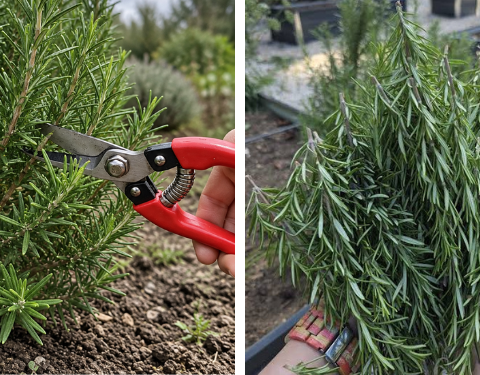
Use clean scissors to cut stems just above a pair of leaves. Leave enough healthy growth on the plant to support regrowth, and avoid stripping the entire plant at once.
4. Dry the Harvest Properly: Preservation.
Hang small bundles in a dry, shaded, well-ventilated location or use a food dehydrator at an appropriate low temperature. Once the leaves are completely dry and brittle, remove them from the stems and store them in airtight containers.
Properly dried oregano can retain its distinctive flavor for many months.
Choosing the Right Variety: Greek vs. Common Oregano
Not all plants sold as oregano offer the same flavor or growth characteristics.
- Greek Oregano (Origanum vulgare subsp. hirtum): Known for its particularly strong, peppery flavor, Greek oregano is an excellent choice for pizza, tomato sauces, grilled vegetables, and Mediterranean dishes. Its leaves are often more intensely aromatic than those of ordinary garden oregano.
- Common Oregano (Origanum vulgare): This hardy, spreading perennial has attractive flowers and a flavor that can range from mild to moderately strong. It’s useful for herb gardens, pollinator plantings, and general culinary purposes, although some plants have relatively little flavor.
- Golden Oregano (Origanum vulgare ‘Aureum’): Valued for its bright yellow-green foliage, this ornamental variety adds color to containers and garden borders. Its flavor is generally milder than that of strongly aromatic culinary varieties.
- Cuban Oregano (Coleus amboinicus): Despite its common name, this fleshy-leaved tropical herb is not a true oregano. It has a powerful fragrance and is used in various cuisines, but it requires warmer conditions and protection from frost.
For gardeners primarily interested in cooking, Greek oregano is often the best choice because of its concentrated flavor.
For ornamental borders and pollinator-friendly planting, common oregano and decorative cultivars can be equally rewarding.
Growing oregano is one of the simplest ways to make your garden more productive, fragrant, and useful.