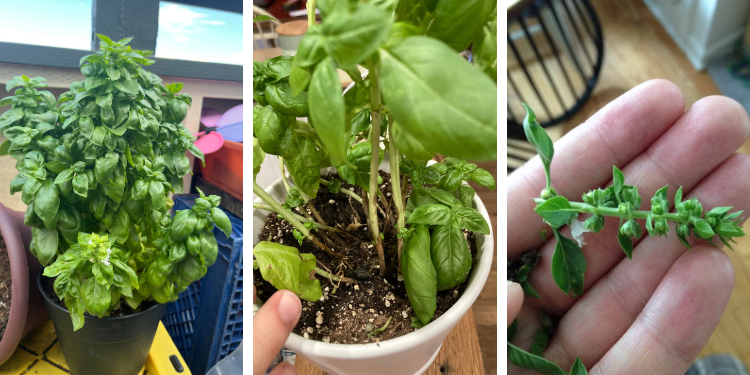
August is a pivotal month for culinary herbs, and basil (Ocimum basilicum) sits right at the center of the late-summer garden transformation.
By mid to late summer, basil plants have experienced months of strong sun and warm soil. However, this is also the exact period when plants naturally shift their biological priorities from producing tender, aromatic foliage to sending up flower spikes for seed production (bolting).
If left to its own devices in August, a lush basil bush will quickly become leggy, woody, and bitter.
But with targeted, late-summer interventions – focusing on strategic pinching, nutrient replenishment, precise hydration, and soil temperature management – you can double or even triple your leaf yields straight through early autumn.
Here are 7 actionable August basil care tips designed to keep your plants bushy, prevent flowering, and maximize your culinary harvest.
The August Lifecycle: Managing Apical Dominance
To grow thick, bushy basil instead of tall, spindly stems, you must understand a plant growth mechanism called apical dominance:
-
The Main Shoot: The central vertical stem of a basil plant produces a hormone called auxin. High concentrations of auxin at the terminal tip suppress the growth of dormant side buds located lower down the stem.
-
The Pruning Response: When you pinch off the top growing tip, you eliminate the primary auxin source. This triggers the plant to send growth hormones to the lateral nodes, causing two new branches to grow in place of the single stem you removed.
-
Exponential Yield Growth: Every time you pinch a branch top just above a leaf node, you double the number of harvesting points on that branch.
Tip 1: Master the “Above-the-Node” Pinching Technique
The single biggest mistake gardeners make in August is picking individual leaves off the plant one by one. Stripping leaves leaves behind bare, leafless stems that cannot synthesize energy efficiently.
-
Locate the Node: Look down a stem until you find a joint where two large outer leaves meet the main stem, along with tiny new leaf shoots tucked into the corners (axillary buds).
-
Make the Cut: Using sharp pruning shears or your thumbnail, snip the main stem 1/4 inch directly above that leaf node.
-
The Result: The plant will immediately shift its resources into growing those two tiny side shoots into full-size stems, doubling your foliage production at that point within a week.
Tip 2: Pinch Flower Buds Immediately to Stop Bolting
August heat and lengthening days signal to basil that its life cycle is coming to an end, triggering the formation of square-stemmed flower spikes topped with small white or purple blossoms.
-
Why Flowering Ruin Flavor: Once a stem flowers, the plant shifts its chemical composition. It reduces the synthesis of essential aromatic oils like linalool and eugenol (which give sweet basil its signature taste) and increases bitter compounds, making the leaves tough and sharp.
-
Zero-Tolerance Pinching: Inspect your plants every 2 to 3 days in August. The moment you spot a tight, cone-shaped cluster of tiny green buds forming at the tip of any branch, pinch off the top 2 to 3 inches of that stem immediately to reset vegetative growth.
Tip 3: Replenish Nitrogen with Liquid Fish Emulsion or Kelp
Because basil is grown strictly for its leaves, it is a heavy consumer of nitrogen (N). By August, much of the slow-release fertilizer applied at spring planting has been leached away by frequent summer watering.
-
Avoid High-Phosphorus Fertilizers: High-phosphorus bloom boosters will trigger more flowering. Stick to a balanced or nitrogen-heavy organic liquid fertilizer.
-
Application Protocol: Apply a diluted fish emulsion or liquid kelp meal solution (such as a 5-1-1 or 4-1-2 ratio) every 10 to 14 days throughout August.
-
Foliar Absorption: Liquid organic fertilizers provide immediately available nutrients that roots can quickly absorb, encouraging rapid post-harvest leaf regeneration.
Tip 4: Water Deeply at the Base (Keep Leaves Bone Dry)
August heat accelerates soil evaporation, but splash-watering foliage with a garden hose is a fast track to fungal destruction, particularly Basil Downy Mildew (Peronospora belbahrii) and root rot.
-
Water the Root Zone Only: Always direct your watering can or drip irrigation line at the base of the plant. Avoid wetting the leaves, especially in late afternoon or evening.
-
Morning Hydration Window: Water between 6:00 AM and 8:00 AM. Early morning watering ensures the soil is fully saturated before midday heat causes stress, while giving any accidentally splashed leaves time to dry rapidly under the morning sun.
-
Container Care: Potted basil in terra cotta or black plastic pots dries out quickly in August heat. Check soil moisture daily – water thoroughly until moisture drains freely from the bottom holes.
August Basil Maintenance Matrix
| Care Task | Frequency in August | Primary Goal | Pro Tip |
| Node Pinching | Every 5 to 7 days | Forces lateral branching; doubles yield | Never leave long, bare stem stubs |
| Flower Removal | Inspect every 2 to 3 days | Stops bitter chemical production | Cut 2 inches below the flower spike |
| Liquid Feeding | Every 10 to 14 days | Replaces leached soil nitrogen | Use diluted fish emulsion or kelp |
| Base Watering | Daily to every 2 days | Maintains cell turgor without leaf rot | Water early in the morning only |
| Organic Mulching | Single August refresh (2 in.) | Cools root zone; preserves soil moisture | Keep mulch 1 inch away from main stem |
Tip 5: Cool the Shallow Root System with Organic Mulch
Basil plants have relatively shallow, fibrous root systems that suffer when soil temperatures climb above. Overheated roots stop absorbing nutrients effectively, causing upper leaves to yellow and drop.
-
Apply a Protective Blanket: Spread a 1 to 2 inch layer of clean organic mulch around your basil plants. Shredded leaves, clean straw, or fine bark work exceptionally well.
-
Maintain Stem Clearance: Leave a small gap 1 inch around the main central stem to allow airflow and prevent damp-off fungal issues at the soil line.
-
Moisture Conservation: Mulching prevents soil crusting and keeps soil moisture levels steady, preventing the dry-to-soaking moisture swings that cause leaf stress.
Tip 6: Harvest Up to One-Third of the Plant at Once
Don’t be afraid to take large, substantial harvests during peak August growth. Regular, heavy harvesting actually keeps the plant younger and more vigorous.
Tip 7: Preserve August Surpluses for Winter Use
When your August care regimen produces more fresh basil leaves than your kitchen can consume fresh, preserving the harvest at peak flavor captures that warm summer taste for winter cooking.
-
The Pesto Freeze Trick: Blend clean, dry basil leaves with extra virgin olive oil (and optional garlic/nuts) into a thick puree. Spoon the puree into silicone ice cube trays and freeze. Once solid, transfer the green herbal cubes into airtight freezer bags for quick additions to winter soups, pastas, and sauces.
-
Avoid Air-Drying: Unlike woody herbs like oregano or thyme, air-drying basil causes its delicate essential oils to evaporate and turns the leaves dark brown or black.
-
Flash Freezing Whole Leaves: Lay whole, dry leaves flat on a parchment-lined baking sheet and freeze for 1 hour. Store frozen leaves in a rigid container to prevent crushing; toss them directly into warm dishes as needed.
August Companion Planting Secret: Basil + Tomatoes
Planting basil alongside tomato vines isn’t just a classic culinary pairing – it’s a proven garden symbiosis! Basil acts as a natural deterrent for common tomato pests like thrips, hornworms, and whiteflies, while the taller tomato canopy provides beneficial partial shade to keep basil roots cool during scorching mid-August afternoons.
By consistently executing these simple August care steps – pinching above nodes, snapping off flower spikes early, feeding with organic liquid nitrogen, and keeping the root zone cool – your basil plants will stay healthy, vibrant, and incredibly productive straight through to the first autumn frost.
The best gardens don’t just brighten your yard – they become something you can enjoy season after season.
If you’re ready to grow your own backyard pharmacy, the Medicinal Garden Kit is a wonderful place to begin.
Inside you’ll find 2,409 non-GMO seeds, a detailed Herbal Medicinal Guide, and 2 FREE bonuses to help you grow a wide variety of traditional medicinal herbs with confidence.
Take a look at the Medicinal Garden Kit and start growing something truly rewarding.