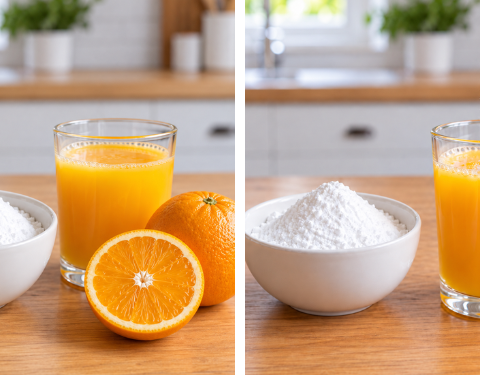

When it comes to non-toxic home maintenance and eco-friendly DIY hacks, two staple powders reign supreme in the kitchen pantry: baking soda (sodium bicarbonate) and cornstarch (maize starch).
While both ingredients are celebrated individually for their distinct properties, combining them in equal parts creates a powerful, versatile, dual-action formula.
By pairing the chemical neutralization, mild abrasiveness, and deodorizing power of baking soda with the ultra-fine texture, moisture absorption, and friction-reducing silky feel of cornstarch, this simple dry blend forms an indispensable household staple.
Here is a science-backed look at why this combination works so effectively, followed by 7 practical ways to use it for personal care, home maintenance, and fabric protection.
The Science: Why Cornstarch and Baking Soda Complement Each Other
To understand why this dry combination works across so many different applications, it helps to examine the complementary chemical and physical characteristics of both powders.
1. Odor Neutralization Meets Moisture Absorption
-
Baking Soda (Sodium Bicarbonate): Baking soda is amphoteric, meaning it chemically neutralizes both acidic (like body sweat and butyric acid from shoes) and basic volatile odor compounds rather than simply masking them. However, baking soda is slightly granular and dissolves easily in ambient moisture.
-
Cornstarch (Maize Starch): Cornstarch consists of complex carbohydrate polymers that are exceptionally hygroscopic and absorbent. It binds liquids, oils, and moisture instantly without breaking down chemically.
When mixed, cornstarch pulls away the liquid or sweat that harbors odor-causing bacteria, while baking soda neutralizes the volatile smell molecules produced by those microbes.
2. Micro-Abrasive Softness
Baking soda provides a gentle, crystalline structure capable of scrubbing away grime without scratching delicate surfaces.
Cornstarch acts as a lubricating buffer, softening the texture of the powder so it can be applied safely to sensitive skin, fine upholstery, or polished metal surfaces.
7 Practical Ways to Use a Cornstarch and Baking Soda Blend
1. All-Natural Dry Shampoo for Volume and Oil Control
Commercial aerosol dry shampoos frequently contain alcohol, synthetic fragrances, and butane propellants that can irritate the scalp or weigh down fine hair.
A 1:1 mixture of cornstarch and baking soda makes a gentle, highly effective dry shampoo. Cornstarch absorbs excess sebum (oil) at the roots, restoring bounce and volume, while baking soda neutralizes scalps odors and keeps hair smelling freshly washed.
-
How to Use: Sprinkle a tablespoon of the blend onto your roots using a makeup brush or shaker jar. Massage it into your scalp, let it sit for two minutes to absorb oils, and brush through thoroughly. (For dark hair, mix in 1 tablespoon of unsweetened cocoa powder).
2. Chemical-Free Body Deodorant Powder
For those seeking an aluminum-free, alcohol-free alternative to traditional underarm deodorants, this dry mixture provides all-day protection against dampness and body odor.
While baking soda alone can sometimes irritate sensitive underarm skin due to its alkaline pH, blending it with soothing cornstarch dilutes the alkalinity while maintaining full odor-fighting capability.
-
How to Use: Dust the powder lightly under arms, under the bust, or anywhere prone to friction and sweat after stepping out of the shower.
Dry Blend Property Comparison
| Component | Physical Texture | Primary Chemical Action | Main Household Role |
| Baking Soda | Fine crystalline powder | Amphoteric pH neutralizer | Odor elimination & mild scrubbing |
| Cornstarch | Ultra-silky fine powder | Moisture & lipid binding | Fluid absorption & friction reduction |
| 50/50 Mix | Smooth, silky dry powder | Synergistic absorption + neutralization | All-purpose dry deodorant & freshener |
3. Deodorizing and Moisture-Wicking Shoe Powder
Footwear—especially athletic sneakers, leather boots, and canvas shoes—traps sweat and foot oils, creating an ideal environment for odor-causing bacteria to thrive.
Dusting a 50/50 mix of cornstarch and baking soda directly inside footwear absorbs overnight moisture while neutralizing foot odors at the source.
-
How to Use: Sprinkle 2 tablespoons of the mixture inside your shoes before going to bed. Shake the excess powder into the trash before slipping them on in the morning.
4. Dry Carpet and Upholstery Refresher
Fabrics on living room sofas, entryway rugs, and pet beds easily trap ambient humidity, dander, and stale food odors. Spraying liquid cleaners can sometimes push stains deeper into carpet padding or leave damp residue behind.
This dry blend works as a water-free carpet refresher. The cornstarch binds trapped body oils and micro-moisture from pet fur, while baking soda neutralizes deep-seated carpet smells.
-
How to Use: Sprinkle the blend generously over carpets, rugs, or fabric couches. Let it sit for 20 to 30 minutes, then vacuum thoroughly using a high-efficiency suction attachment.
5. Soothing Anti-Chafing and Heat Rash Powder
During hot summer months or during intense workouts, skin-on-skin friction across inner thighs, underarms, and feet can cause painful chafing and heat rash.
Cornstarch provides a silky barrier that allows skin surfaces to glide smoothly against one another without friction, while baking soda calms minor skin acidity and keeps the area dry.
-
How to Use: Apply a light layer of the powder onto clean, completely dry skin before exercise or long walks to prevent friction before it starts.
6. Oil and Grease Stain Remover for Clothing and Rugs
Accidentally dropping salad dressing, butter, or motor oil onto clothing or carpet fibers can leave permanent dark spots if the oil soaks in.
Because cornstarch is lipophilic (oil-attracting), it draws liquid fat out of fabric fibers, while baking soda prevents the fat from going rancid and leaving a lingering odor.
-
How to Use: Cover fresh grease spots with a thick mound of the powder blend. Press it down gently and let it sit for at least 1 hour (or overnight for heavy oil stains) to draw out the grease before washing the garment normally.
7. Gentle Silver and Polished Metal Cleaner
Aggressive metal polishes can strip fine plating or leave behind chemical chemical odors on silverware and serving platters.
When mixed with a small amount of warm water, cornstarch and baking soda form a smooth, non-scratching micro-abrasive paste that lifts tarnish and restores shine to silver, chrome, and stainless steel fixtures without leaving deep scratches.
-
How to Use: Mix 3 tablespoons of the dry powder with 1 tablespoon of water to create a thick paste. Buff gently onto metal surfaces using a microfiber cloth, then rinse clean and dry with a soft towel.
Step-by-Step: How to Make and Store Your Blend
Setting up a dedicated jar of this multipurpose household powder takes less than two minutes:
Mixing cornstarch and baking soda together is a simple, highly affordable, and chemical-free habit that gives you a versatile solution for personal hygiene, laundry care, and home deodorizing.