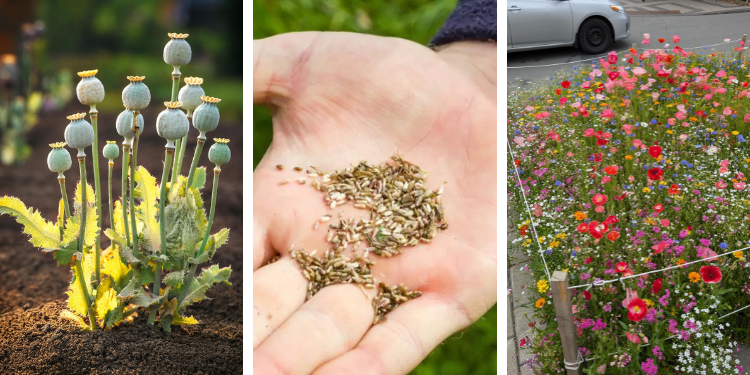
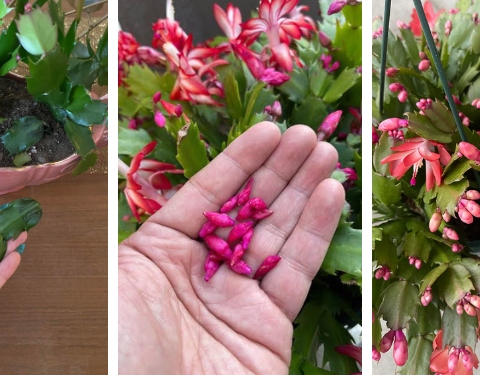
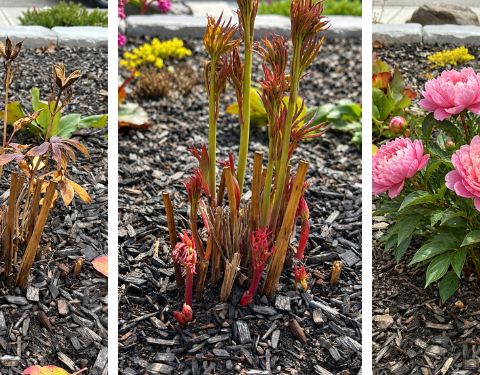
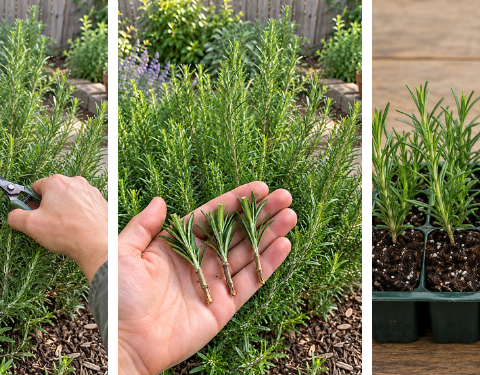
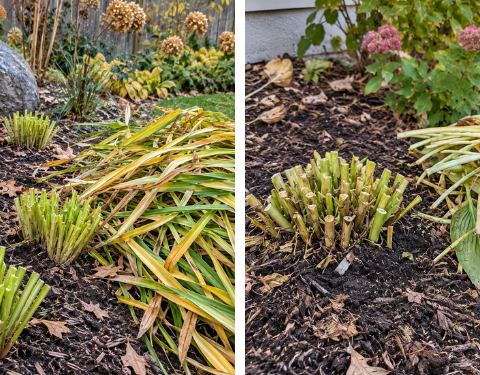
October might seem like the time to put away your gardening tools, but for many gardeners, it’s actually an excellent month to start planting flowers for next year.
While summer annuals are fading and temperatures are dropping, certain flower seeds benefit from being sown during autumn.
Some establish roots before winter, others remain dormant until spring, and a few even need exposure to cold temperatures to germinate successfully.
Here are 15 beautiful flowers you can sow in October, along with the USDA zones where autumn sowing is most suitable.
Why October Is a Great Month to Sow Flower Seeds
Autumn sowing offers several advantages. Cooler temperatures reduce heat stress, seasonal rainfall may help keep soil moist, and many weeds grow less aggressively than they do during spring.
Some hardy annuals germinate during autumn and establish small plants that survive mild winters. When spring arrives, these established seedlings can grow quickly and flower earlier than spring-sown plants.
Other flowers, particularly certain perennials, benefit from cold stratification. This natural process exposes seeds to cold, moist conditions that help break dormancy.
However, not every flower should germinate before winter. In colder regions, seeds may need to remain dormant in the soil until spring.
Important gardening note: USDA hardiness zones describe average annual extreme minimum winter temperatures, not autumn frost dates or growing-season conditions. Always consider your local climate, soil temperature, and seed packet instructions before sowing.
1. California Poppies
California poppies (Eschscholzia californica) produce cheerful orange, yellow, and cream-colored flowers that brighten sunny gardens.
These drought-tolerant flowers prefer well-drained soil and generally dislike having their roots disturbed, making direct sowing an excellent choice.
In mild-winter regions, October planting allows seeds to germinate during cooler weather and develop plants that bloom in spring.
Scatter seeds over prepared soil, press them gently into the surface, and cover only lightly.
October note: In colder zones, California poppies can often be sown in spring instead. They may self-seed where growing conditions are suitable.
2. Sweet Peas
Sweet peas (Lathyrus odoratus) are famous for their fragrant flowers and delicate climbing vines.
In regions with mild winters, October is an excellent time to sow them because they prefer cool growing conditions.
Plant seeds approximately 1 inch deep in fertile, well-draining soil and provide a trellis or another support structure.
In colder climates, sweet peas are usually started indoors in late winter or planted outdoors in early spring.
October note: Sweet peas are ornamental and should not be eaten. Their seeds and other plant parts are toxic if consumed.
3. Bachelor’s Buttons
Bachelor’s buttons, also called cornflowers (Centaurea cyanus), produce beautiful blue, pink, white, and purple blooms.
These hardy annuals tolerate cool weather and can establish successfully from autumn sowing in many regions.
Scatter seeds into loosened soil and cover them lightly, following the recommended planting depth on the packet.
In colder zones, late-autumn dormant sowing may also work, although winter survival varies.
October note: Cornflowers may self-seed readily. Check local guidance before planting because they can spread beyond garden beds in some regions.
4. Calendula
Calendula (Calendula officinalis) is a cheerful cool-season flower with bright orange and yellow blossoms.
In mild climates, October sowing can produce strong plants that bloom through winter or early spring.
Plant seeds approximately ¼–½ inch deep in well-draining soil and keep the growing medium lightly moist during germination.
Calendula performs best in cooler weather and may decline during intense summer heat.
October note: In Zones 3–7, calendula is generally more reliable when planted in spring, although dormant sowing can sometimes succeed.
5. Larkspur
Larkspur produces tall spikes of blue, purple, pink, and white flowers that add elegance to cottage gardens.
Many annual larkspur varieties benefit from cool conditions during germination.
October sowing is especially useful in areas with relatively mild winters, allowing seedlings to establish before spring flowering.
Sow seeds directly into prepared soil because larkspur generally dislikes root disturbance.
October note: Larkspur is toxic to people and pets if eaten. Plant it where children and animals won’t accidentally consume it.
6. Love-in-a-Mist
Love-in-a-mist (Nigella damascena) is known for its delicate flowers surrounded by finely divided, feathery foliage.
This easy-to-grow annual produces attractive seed pods that can be used in dried arrangements.
Sow seeds directly in a sunny, well-drained location and cover lightly.
In mild climates, autumn-sown plants can establish during cool weather and bloom beautifully in spring.
October note: Love-in-a-mist often self-seeds. Allow some seed pods to mature if you’d like new plants to appear naturally next year.
7. Shirley Poppies
Shirley poppies (Papaver rhoeas cultivars) produce delicate, tissue-paper-like flowers in red, pink, white, and mixed shades.
Their seeds germinate best in cool conditions and are well suited to direct sowing.
Scatter the tiny seeds over prepared soil and press them gently into the surface without burying them deeply.
Autumn sowing can encourage earlier spring flowers in regions where seedlings survive winter.
October note: In colder climates, dormant sowing shortly before the ground freezes may be more successful than encouraging early autumn germination.
8. Snapdragons
Snapdragons (Antirrhinum majus) are beloved for their colorful flower spikes and long blooming season.
Although commonly grown as annuals, they can survive mild winters and produce beautiful spring displays.
In warm regions, October is a suitable time to start seeds or establish young plants.
Snapdragon seeds need light for germination, so press them onto the surface of moist seed-starting mix rather than covering them heavily.
October note: Snapdragon seedlings are small and delicate. Starting seeds in trays and transplanting established seedlings may be more reliable than direct sowing.
9. Sweet Alyssum
Sweet alyssum (Lobularia maritima) produces masses of tiny, fragrant flowers that attract pollinators.
It makes an excellent border plant, ground cover, or container flower.
In mild-winter climates, seeds can be sown during October for cool-season growth.
Press the small seeds into prepared soil and cover very lightly, if at all, according to packet directions.
October note: Sweet alyssum may bloom during winter in frost-free regions. In colder climates, it’s usually grown from spring-sown seeds.
10. Violas
Violas are among the most charming cool-season flowers, producing colorful blooms that brighten containers and garden beds.
They tolerate chilly conditions and may flower during mild winter weather.
However, viola seeds can take several weeks to develop into transplant-ready plants.
For October sowing, start seeds in trays or small containers, especially where early frosts are possible.
October note: If you want immediate autumn flowers, established nursery-grown violas are usually a better choice than starting seeds in October.
11. Black-Eyed Susans
Black-eyed Susans (Rudbeckia hirta) produce golden-yellow flowers with dark centers and attract bees and butterflies.
These hardy flowers are excellent candidates for fall or winter seed sowing.
Seeds may benefit from a period of cold, moist conditions, depending on the variety.
In colder regions, sow them after temperatures have dropped enough to discourage immediate germination.
Press seeds onto prepared soil and cover lightly according to the packet.
October note: Autumn-sown black-eyed Susans may not flower during their first growing season, particularly perennial or biennial forms.
12. Purple Coneflowers
Purple coneflowers (Echinacea purpurea) are popular perennial flowers valued for their long-lasting blooms and wildlife benefits.
They can be started from seed in autumn, allowing natural winter conditions to assist germination.
Choose a sunny location with well-drained soil and sow seeds at the depth recommended for your variety.
Cold stratification can improve germination for some seed lots, although requirements vary.
October note: Coneflowers grown from seed often take more than one season to develop into large, flowering plants. Be patient while they establish.
13. Columbines
Columbines (Aquilegia species) produce graceful flowers with distinctive spurs that attract pollinators.
Many varieties benefit from exposure to cold, moist conditions before germination.
Autumn sowing can provide this naturally in regions with cold winters.
Sow seeds on or near the soil surface, following the specific packet instructions, and avoid covering them too deeply.
October note: Columbines may take several weeks to germinate after winter and often don’t bloom during their first year from seed.
14. Coreopsis
Coreopsis, commonly called tickseed, produces cheerful yellow, orange, pink, or red flowers, depending on the variety.
Some perennial coreopsis species can be successfully fall-sown, particularly when seeds remain dormant until spring.
Choose varieties suitable for your climate and plant them in a sunny location with good drainage.
Avoid overly rich soil, which can encourage leafy growth at the expense of flowers.
October note: Coreopsis species vary considerably in hardiness and germination requirements. Check the specific variety rather than assuming all coreopsis seeds respond identically to autumn sowing.
15. Milkweed
Milkweed (Asclepias species) is an important host plant for monarch butterfly caterpillars.
Many temperate milkweed species benefit from cold stratification, making autumn an excellent time to sow their seeds.
Choose a milkweed species native to your region and suited to your soil conditions.
Scatter or plant seeds at the recommended depth in a prepared location and allow natural winter temperatures to help break dormancy.
October note: Avoid assuming all milkweeds have identical growing requirements. Tropical milkweed behaves differently from many temperate native species and may be inappropriate in some regions because of monarch disease concerns.
Quick Guide: What to Sow in October by USDA Zone
| USDA zone | Best October options |
|---|---|
| Zones 3–4 | Coneflowers, black-eyed Susans, columbines, and suitable native milkweeds for dormant sowing |
| Zones 5–6 | Hardy wildflowers, coreopsis, cornflowers, larkspur, and suitable perennial seeds |
| Zones 7–8 | California poppies, Shirley poppies, nigella, larkspur, calendula, and cornflowers |
| Zones 9–10 | Sweet peas, calendula, snapdragons, sweet alyssum, violas, and California poppies |
| Zone 11 | Calendula and sweet alyssum in suitable cool-season conditions; other options depend heavily on local climate |
These are general starting points, not guaranteed planting dates. October temperatures differ significantly between coastal, mountain, desert, and inland regions within the same USDA zone.
How to Sow Flower Seeds Successfully in October
Before planting, remove aggressive weeds and loosen the upper layer of soil. Most flowers establish best in well-drained soil that isn’t compacted or waterlogged.
For mild-climate autumn sowing, keep the soil lightly moist while seeds germinate. Once seedlings develop, water according to weather conditions and the needs of the species.
In cold climates, dormant sowing requires a different approach. Wait until soil temperatures are low enough that seeds are unlikely to germinate before winter. In some northern locations, this may occur in October, while elsewhere November or December is more appropriate.
Avoid heavy fertilizer applications. Most young wildflowers don’t need rich soil, and excessive nutrients can encourage weak growth.
Label your planting areas so you don’t accidentally disturb the seeds during spring cleanup.
Important note: Fall-sown seeds are vulnerable to birds, rodents, erosion, and unusually warm spells followed by freezing weather. Sowing a little extra seed can help compensate for natural losses.
October doesn’t have to mean the end of flower gardening. With the right seeds and a little planning, it can be the beginning of next year’s most beautiful displays.