October is an important month for rosemary, especially if you live somewhere with chilly autumn nights and freezing winter temperatures.
After spending spring and summer producing fragrant green growth, your rosemary is beginning to adjust to shorter days, cooler weather, and slower growing conditions.
Although rosemary is often considered a tough, low-maintenance herb, winter can be surprisingly challenging for it.
Cold temperatures, excessive moisture, poor drainage, and sudden changes in growing conditions can all cause problems.
The good news is that a few simple October adjustments can make a big difference in how well your rosemary survives winter and grows next spring.
1. Give Your Rosemary a Light Trim, but Avoid Heavy Pruning
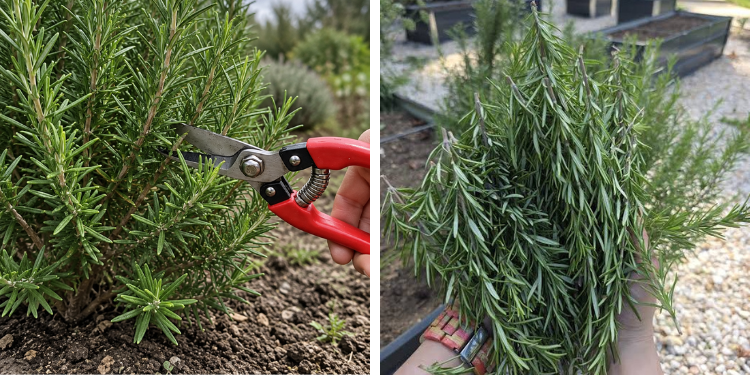
October is a good time to inspect your rosemary and remove any dead, damaged, or broken stems. However, it’s generally not the best time for major pruning, particularly in areas where freezing temperatures arrive early.
Rosemary is a woody evergreen herb, and its older stems don’t always produce new growth after being cut back severely.
Removing too much healthy foliage in autumn can also reduce the plant’s ability to withstand winter conditions.
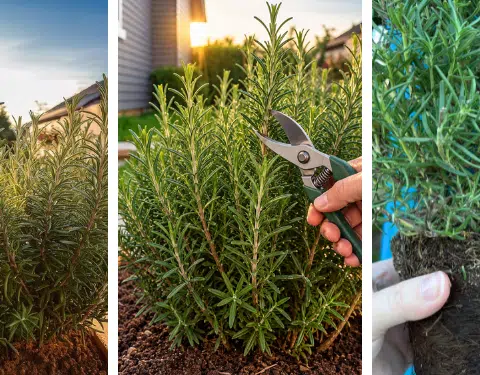
If your rosemary has long, uneven branches, you can lightly tidy them in mild climates. However, avoid cutting deeply into bare, woody sections. In colder regions, save major shaping for spring, when the danger of severe frost has passed and active growth resumes.
October note: Don’t treat rosemary like basil or mint. Unlike those softer herbs, rosemary develops woody stems and should not be cut down to the ground at the end of the growing season.
If your plant looks healthy and well-shaped, there’s no need to prune it simply because October has arrived. Sometimes, leaving it alone is the best decision.
2. Reduce Watering as Temperatures Begin to Drop
One of the most important changes to make in October is adjusting your watering routine. During summer, rosemary may need more frequent watering because warm temperatures and strong sunlight dry the soil quickly.
As autumn arrives, the soil often stays moist longer. Continuing to water on the same schedule can leave rosemary roots sitting in wet conditions, increasing the risk of root rot.
Before watering, check the soil a few inches below the surface. If it still feels moist, wait. When the soil has dried appropriately, water thoroughly and allow excess moisture to drain away.
Established rosemary growing in the ground may need very little supplemental watering during a rainy autumn.
Container-grown rosemary usually requires closer monitoring because pots can dry out faster, especially in windy locations.
October note: Rosemary generally tolerates short periods of dryness better than constantly saturated soil. However, don’t allow container plants to become completely dried out for extended periods, particularly before freezing weather.
If the leaves begin turning brown or branches start dying, don’t immediately assume the plant needs more water. Excess moisture and damaged roots can produce similar symptoms.
3. Check Drainage Before Autumn Rain Becomes a Problem
Rosemary originates from the Mediterranean region, where it naturally grows in relatively dry, well-drained conditions. This makes drainage one of the most important factors in keeping the plant healthy during fall and winter.
October is the perfect time to examine the soil around your rosemary. After rainfall, check whether water drains away or remains pooled around the roots.
If the ground stays muddy for several days, the plant may be at risk of root problems during winter.
For rosemary growing in containers, make sure the drainage holes are open and the pot isn’t sitting in a saucer filled with water. If the plant is inside a decorative container, remove any accumulated water after watering.
A well-draining potting mix is essential. Rosemary generally performs best when its roots have access to both moisture and oxygen.
Garden note: Placing stones or gravel at the bottom of a container doesn’t fix poorly draining soil. Proper drainage holes and a suitable potting mix are much more effective.
If your rosemary is already established in a garden bed with good drainage, avoid disturbing the roots unnecessarily. Simply keeping fallen leaves and heavy, wet debris away from the crown can help.
4. Stop Fertilizing and Let the Plant Slow Down Naturally
October is generally not the time to encourage rosemary to produce lots of new growth. As temperatures cool and daylight decreases, the plant naturally begins growing more slowly.
Applying nitrogen-rich fertilizer late in the season may encourage soft, tender shoots that are more vulnerable to cold damage.
Instead, allow your rosemary to adjust gradually to the changing weather.
Healthy rosemary growing in suitable soil usually doesn’t require frequent fertilizing. In fact, excessive feeding can encourage lush, weak growth rather than the compact, aromatic foliage gardeners prefer.
October note: If your rosemary isn’t producing many new shoots in autumn, that doesn’t necessarily mean it needs fertilizer. Slower growth is often a normal response to seasonal changes.
If the plant looks pale or unhealthy, check the soil moisture, drainage, sunlight, and root condition before assuming nutrients are the problem.
For most outdoor rosemary plants, fertilizer can wait until spring, when warmer temperatures and longer days encourage active growth again.
5. Move Potted Rosemary to a More Protected Location
If you grow rosemary in a container, October is the time to start thinking about winter protection.
Rosemary’s cold tolerance varies depending on the variety, age of the plant, and growing conditions. Some established varieties can survive relatively cold winters, while others may suffer damage when temperatures drop below freezing.
Container-grown rosemary is particularly vulnerable because its roots are exposed to cold air from several directions.
If your winters are mild, moving the pot closer to a sheltered, sunny wall may provide enough protection. In colder climates, rosemary may need to be moved into a bright, cool, frost-free location before severe freezing temperatures arrive.
A cool sunroom, bright enclosed porch, or another protected area can sometimes work well.
However, rosemary can struggle indoors if the environment is too warm, dark, or humid.
Container note: Don’t automatically place rosemary in a warm kitchen corner with very little sunlight. The plant needs plenty of light and good airflow, even during winter.
If you’re bringing rosemary indoors, inspect it for pests first and make the transition before temperatures become dangerously cold.
6. Give Your Rosemary as Much Sunlight as Possible
Rosemary loves sunshine, and October’s shorter days mean it receives fewer hours of natural light.
If your plant is growing outdoors, check whether nearby trees, fences, or buildings are creating more shade than they did during summer.
Rosemary generally performs best with at least six hours of direct sunlight during the growing season, although winter light availability naturally varies.
For container plants, a sunny southern exposure is often helpful in the Northern Hemisphere.
If you’re overwintering rosemary indoors, place it near your brightest suitable window. In homes with limited winter sunlight, a grow light may help maintain healthier growth.
October note: Rosemary that receives insufficient light indoors may become weak, develop sparse growth, or gradually decline. Moving it somewhere warmer won’t compensate for a serious lack of sunlight.
Good light, moderate temperatures, proper drainage, and careful watering are usually more important than adding fertilizer during the colder months.
7. Inspect Your Rosemary for Pests and Winter Damage
Before cold weather arrives, take a few minutes to examine your rosemary carefully.
Look along the stems, between the leaves, and around the base of the plant. Check for yellowing foliage, dying branches, unusual spots, and signs of insects.
Rosemary can occasionally develop problems with aphids, scale insects, mealybugs, and spider mites. Plants brought indoors for winter may be especially vulnerable to spider mites if the air becomes warm and dry.
If you notice pests, identify the problem and treat it appropriately before moving the plant near other houseplants.
You should also remove clearly dead or broken branches, but avoid aggressive pruning of healthy growth.
October inspection note: Some older rosemary leaves naturally turn yellow or brown and fall off as the plant grows. However, widespread browning, blackened stems, or sudden branch dieback may indicate a more serious problem.
Check the roots and growing conditions before making major changes to your care routine.
Should You Bring Rosemary Indoors in October?
Whether rosemary needs to come indoors depends largely on your climate and the variety you’re growing.
In areas with mild winters and well-drained soil, rosemary may remain outdoors throughout the year. Some cold-hardy varieties can tolerate temperatures well below freezing once established, especially in protected locations.
However, in regions with severe winter freezes, unprotected rosemary may suffer serious damage.
If your rosemary grows in a pot and your area experiences harsh winters, moving it to a protected location before severe cold arrives is often the safest approach.
Choose somewhere bright and cool rather than warm and dark. Rosemary usually performs better with plenty of light and moderate humidity than in a heated room with very little sunlight.
Winter note: Indoor rosemary should still be watered when needed, but don’t keep the soil constantly wet. Reduced winter growth means the plant may use moisture more slowly.
Can You Harvest Rosemary in October?
Absolutely! Rosemary is an evergreen herb, which means its aromatic leaves remain useful well beyond the summer growing season.
October is a wonderful time to harvest a few sprigs for cooking, drying, or freezing.
Fresh rosemary adds flavor to roasted potatoes, chicken, vegetables, soups, and homemade bread. You can also dry small bundles in a warm, well-ventilated location away from direct sunlight.
However, avoid removing large amounts of foliage immediately before winter, especially from small or recently planted rosemary.
The plant still needs its healthy leaves to support itself through the colder months.
Harvesting note: Take a few sprigs from different parts of the plant rather than cutting one entire section back heavily. Light harvesting is generally less stressful than aggressive fall pruning.
What If Your Rosemary Starts Turning Brown in October?
Brown rosemary leaves can have several causes, and identifying the problem early is important.
Excessive moisture is one common possibility, especially when autumn rainfall increases and soil drainage is poor. Roots that remain waterlogged may become damaged, preventing the plant from absorbing water properly.
Cold damage can also cause browning, particularly after sudden freezing temperatures.
Indoor rosemary may develop brown foliage when exposed to insufficient light, overly dry air, or inconsistent watering.
Before changing anything, examine the soil and surrounding conditions. If the soil is constantly wet, adding more water will only make the situation worse.
Important note: Brown rosemary leaves usually won’t turn green again. Focus on correcting the underlying problem and protecting the remaining healthy growth.
October rosemary care is all about helping the plant transition from active summer growth into the colder months ahead.
Trim lightly, water carefully, improve drainage, stop fertilizing, provide plenty of sunlight, and protect container plants before severe cold arrives.