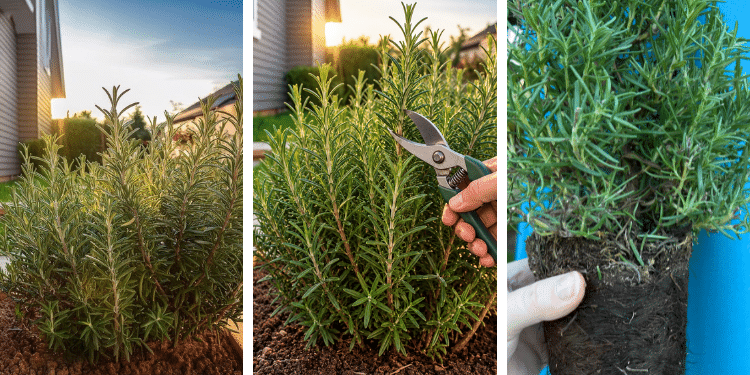
September can be a turning point for rosemary.
After spending summer soaking up sunshine and producing plenty of fragrant new growth, the plant begins facing shorter days, cooler nights, and – in many climates – much wetter conditions.
And while rosemary is famously tough in heat and drought, cold combined with excessive moisture can be a much bigger problem.
Here are 7 things to do for your rosemary in September to keep it healthy and productive.
1. Give It a Light Trim – But Don’t Prune Too Hard
If your rosemary has become large, uneven, or leggy during summer, September may still be a good time for a light trim, particularly in mild climates.
Remove overly long shoots and harvest the soft green tips.
This can improve the plant’s shape without forcing it to recover from severe pruning as cold weather approaches.
The key word is light.
Avoid cutting deeply into old, bare woody stems.
Rosemary doesn’t reliably produce new growth from old wood, especially when little or no green foliage remains below the cut.
September note: If winters arrive early where you live, skip major pruning now. Heavy pruning can encourage tender new growth that won’t have enough time to harden before cold weather.
Save substantial reshaping for a more appropriate time during the active growing season.
For now, harvest and tidy rather than dramatically reducing the plant.
2. Start Watching Your Watering More Carefully
Rosemary is native to Mediterranean conditions and naturally prefers soil that drains quickly.
During hot summer weather, pots and garden beds may dry rapidly.
September changes that.
Temperatures begin dropping, days become shorter, and the soil often stays moist longer after watering.
If you continue watering on exactly the same schedule you followed in July, the roots may remain wet for too long.
Check before you water.
Push your finger into the soil.
If it still feels moist, wait.
For container rosemary, you can also lift the pot. A dry container often feels noticeably lighter than a freshly watered one.
When watering is necessary, water thoroughly and allow excess moisture to drain.
Quick note: Rosemary generally handles slightly dry conditions much better than permanently wet roots.
Don’t keep the plant sitting in a saucer filled with water.
As fall progresses, watering frequency will usually decrease naturally.
3. Check the Drainage Before Fall Rain Arrives
If you do only one thing for rosemary before wet autumn weather arrives, check its drainage.
Rosemary dislikes heavy, waterlogged soil.
This becomes especially important when cool temperatures reduce evaporation.
For rosemary growing in pots:
Make sure the container has unobstructed drainage holes.
If the plant sits inside a decorative outer pot, check that water isn’t collecting at the bottom.
Consider raising outdoor pots slightly off flat surfaces if water has difficulty escaping.
For rosemary growing in the ground:
Watch what happens after heavy rain.
Does water disappear quickly?
Or does the area remain wet and muddy for days?
If rosemary is growing in a naturally soggy location, winter may become difficult.
Important note: Adding rocks to the bottom of a container doesn’t replace a drainage hole. Water still needs a way to leave the pot.
A gritty, well-draining growing medium and a container with proper drainage are far more important.
4. Harvest Plenty of Rosemary Now
September is a wonderful time to harvest rosemary.
If your plant has produced lots of growth during summer, take advantage of it before winter.
Cut healthy green stems and use them fresh, or preserve them for the colder months.
Rosemary can be used in:
- Roasted vegetables
- Potatoes
- Bread
- Soups and stews
- Chicken and meat dishes
- Marinades
- Herb blends
- Flavored oils prepared and stored using food-safe methods
You can also dry rosemary.
Bundle small amounts loosely or spread sprigs somewhere warm, dry, and well ventilated.
Once the leaves are completely dry, strip them from the stems and store them in an airtight container away from heat and strong light.
Harvest note: Don’t remove a huge percentage of the plant at once late in the season. Think of harvesting as a gentle September trim.
This lets you enjoy the herb while keeping plenty of healthy foliage on the plant.
5. Stop Heavy Fertilizing
September isn’t the time to push rosemary into producing lots of soft new growth.
Rosemary naturally performs well in relatively lean soil and generally doesn’t need aggressive feeding.
Too much nitrogen can encourage fast, soft growth.
That may be especially undesirable when colder weather is approaching.
If you’ve been fertilizing container rosemary throughout the active growing season, begin reducing feeding as growth slows.
Garden-grown rosemary in reasonable soil may need little supplemental fertilizer at all.
September rule: Don’t fertilize simply because you want to “strengthen” rosemary before winter.
More fertilizer doesn’t automatically make a plant more winter hardy.
Sunlight, drainage, healthy roots, and appropriate watering are much more important.
6. Decide How You’ll Protect It During Winter
This is one of the most important September jobs because rosemary’s winter survival depends greatly on the variety and your local climate.
Some rosemary cultivars tolerate significantly more cold than others.
But rosemary is still a Mediterranean herb, and prolonged severe freezing can damage or kill less-hardy varieties.
If you live in a mild climate:
Your rosemary may remain outdoors all winter.
Make sure it receives plenty of sun and has excellent drainage.
If your winters are cold:
Container rosemary is especially vulnerable because its roots are exposed to colder temperatures than roots growing in the ground.
You may need to move the container to a protected location before severe freezing arrives.
Should you bring rosemary inside?
You can, but indoor rosemary can be surprisingly tricky.
It needs very bright light, good airflow, and careful watering.
A warm, dark room is not ideal.
If bringing rosemary indoors, choose your brightest suitable location and keep it away from constantly blasting heating vents.
Winter-prep note: Don’t wait until after the plant has experienced severe frost to decide where it will spend winter.
September gives you time to make a plan.
7. Inspect for Pests and Disease
Before autumn progresses, examine your rosemary closely.
This is especially important if the plant has spent summer outdoors and you intend to bring it inside.
Look along stems and beneath leaves for signs of unwanted visitors.
Rosemary can sometimes experience problems with:
- Spider mites
- Aphids
- Whiteflies
- Scale
- Spittlebugs
Indoor conditions can allow certain pests to become particularly troublesome because natural predators are absent.
Also inspect the plant’s overall condition.
Are stems blackening?
Is the plant suddenly turning brown?
Is the soil constantly wet?
Browning rosemary isn’t always caused by drought.
Root problems from excessive moisture can also cause decline.
Important: Always check soil moisture before assuming a brown rosemary plant needs more water.
Adding more water to a plant already suffering from saturated roots can make the problem worse.
Should You Repot Rosemary in September?
Only if there’s a reason.
Don’t repot a healthy rosemary plant simply because fall has arrived.
If the plant is extremely root-bound, growing in unsuitable soil, or sitting in a container without proper drainage, repotting may be justified.
Otherwise, unnecessary root disturbance shortly before slower winter growth may not provide much benefit.
If repotting is necessary, choose a container only modestly larger than the existing one and use a fast-draining growing medium.
Avoid the “giant pot” mistake.
A tiny root system surrounded by a huge volume of wet soil can remain damp for too long.
Rosemary prefers drainage over luxury.
Can You Take Rosemary Cuttings in September?
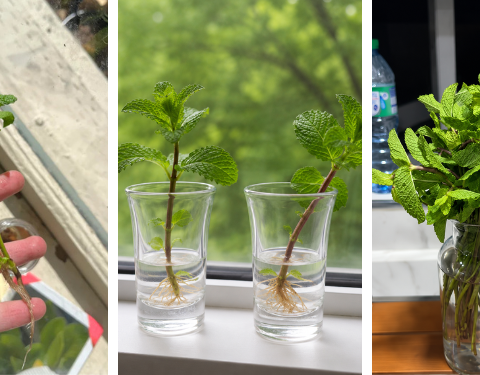
Yes, September can still be a useful time to take cuttings in many climates.
Choose healthy, non-flowering shoots and take several cuttings rather than relying on one.
Remove the lower leaves and insert the stems into a light, well-draining propagation medium.
Keep them bright but protected from harsh direct sun while they begin rooting.
Why take cuttings now?
It’s a simple insurance policy.
If your mature outdoor rosemary doesn’t survive a harsh winter, you may still have young plants growing in protected conditions.
Propagation note: Take more cuttings than you think you’ll need. Not every cutting will successfully root.
Don’t Automatically Mulch Heavily Around Rosemary
Mulch is useful for many garden plants, but rosemary requires a little caution.
A thick layer of moisture-retaining organic mulch piled directly around the crown can keep the base of the plant wetter than it likes.
If you mulch nearby beds, keep heavy material away from the rosemary’s main stem and crown.
In rainy climates, good drainage and airflow around the base are particularly important.
Remember: Rosemary’s biggest winter enemy isn’t always cold alone. Cold, wet soil can be an especially difficult combination.
What If Your Rosemary Is Woody and Leggy?
Older rosemary naturally becomes woody.
That’s normal.
The problem begins when most green growth is located only at the ends of long bare stems.
Avoid trying to solve years of legginess with one brutal September pruning.
Cutting an old rosemary plant far back into leafless wood may leave you with stems that don’t regrow.
Instead, maintain rosemary with regular light trimming while it is young and actively growing.
For a severely woody plant, taking cuttings from healthy green shoots and starting a fresh plant can sometimes be easier than attempting drastic rejuvenation.
Give your rosemary a little attention now, and you’ll have a much better chance of keeping it healthy through fall and winter.