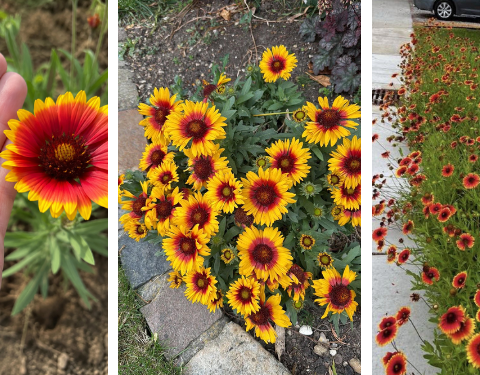
By September, coneflowers can look a little tired.
The brilliant pink, purple, white, orange, or yellow flowers that filled the garden during summer may be fading. Some petals have dropped, the centers are turning dark and dry, and the leaves may no longer look as fresh as they did in June.
Your first instinct might be to grab the pruners and cut everything down.
Don’t be too quick.
September is an important month for coneflowers (Echinacea). While flowering may be slowing down, the plants are still preparing themselves for colder weather and next year’s growing season.
Here are 7 things to do for your coneflowers in September – and a few things you should definitely leave alone.
1. Stop Deadheading Some of the Flowers
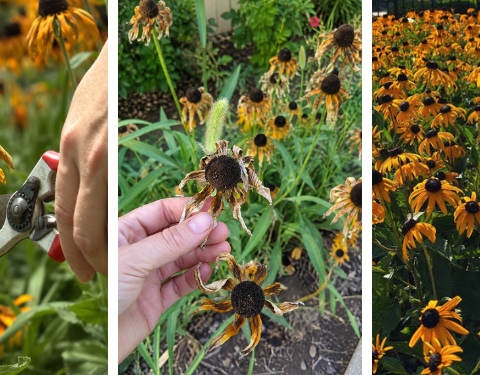
Throughout summer, deadheading coneflowers can encourage a tidier appearance and, depending on the variety and growing conditions, may help prolong flowering.
But by September, it’s time to change your strategy.
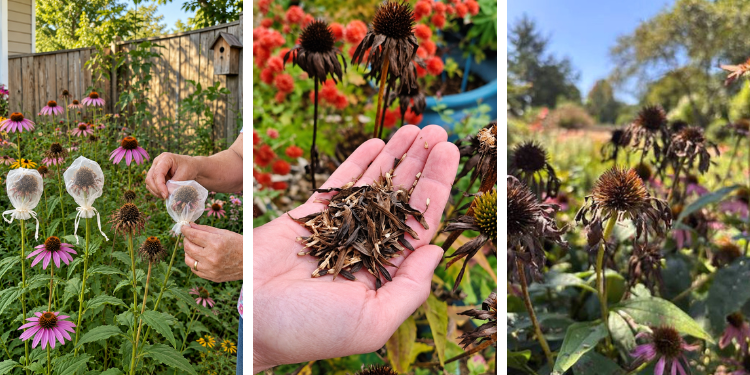
Instead of removing every faded flower, start leaving some seed heads on the plant.
Those dark, spiky centers aren’t useless.
As the seeds mature, they can become a food source for seed-eating birds later in the season.
Finches are particularly well known for visiting mature coneflower seed heads.
Leaving the stems standing also gives your winter garden structure when most other flowers have disappeared.
What should you remove?
If a flower is only beginning to fade and you want to keep the garden looking tidy, you can still deadhead selectively.
But don’t feel that every brown flower head needs to go.
Try leaving at least several of the healthiest seed heads on each plant.
September note: Summer is about encouraging flowers. Fall is increasingly about allowing the plant to complete its natural life cycle.
The seed heads can look beautiful when covered with frost or snow, too.
2. Leave Healthy Green Foliage Standing
This is one of the easiest September mistakes to avoid.
Don’t cut a healthy coneflower to the ground simply because flowering is ending.
If the leaves and stems are still green, they’re still functioning.
The foliage continues photosynthesizing, allowing the plant to produce energy while growing conditions remain favorable.
That energy helps support the perennial crown and root system.
Remove only what needs removing.
In September, focus on taking away:
- Completely dead leaves
- Broken stems
- Badly damaged foliage
- Clearly diseased leaves
- Rotten plant material
Healthy green stems can stay.
Quick note: Green doesn’t mean “finished.” If the plant is still green, let it continue doing its job.
Eventually, colder weather and frost will naturally cause the foliage to decline.
At that point, you can decide whether to cut the plant back or leave stems standing through winter.
There is no need to rush the process in September.
3. Remove Diseased Foliage Before Winter
While healthy foliage should remain, diseased foliage is another story.
September is a good time to inspect your coneflowers carefully.
Look at both the upper and lower surfaces of leaves.
Watch for unusual symptoms such as:
- Powdery coatings
- Dark or expanding leaf spots
- Severely discolored leaves
- Damaged or rotting stems
- Unusual distortion
Some leaf decline late in the season is natural, so don’t assume every brown spot means your plant has a serious disease.
But if leaves are clearly diseased, removing heavily affected material can reduce the amount of infected debris remaining around the plant.
Use clean pruning shears and remove affected leaves or stems.
What should you do with diseased material?
Don’t leave badly diseased foliage in a thick pile beneath the plant.
Dispose of it appropriately.
Whether diseased plant material belongs in compost depends on the disease and whether your composting system reaches temperatures capable of destroying pathogens.
When you’re unsure, keeping heavily diseased material out of a casual home compost pile is the cautious option.
Garden note: Fall cleanup isn’t about making the garden spotless. It’s about removing material that’s likely to cause problems while leaving healthy habitat where appropriate.
Also clean your pruning tools after working with obviously diseased plants, particularly before moving to healthy plants.
4. Keep Watering If September Is Dry
September often feels cooler, and that can trick gardeners into assuming plants no longer need water.
But cooler weather doesn’t necessarily mean moist soil.
If rainfall is limited, coneflowers can still experience drought stress.
Established coneflowers are relatively drought tolerant once they have developed strong root systems, but that doesn’t mean they should be left bone dry for weeks – especially if they’ve recently been planted or divided.
Pay extra attention to:
New coneflowers planted this year.
Recently divided plants that haven’t established extensive roots.
Plants growing in containers, which dry faster than garden soil.
Coneflowers experiencing unusually warm, dry fall weather.
Water deeply enough to moisten the root zone rather than repeatedly sprinkling only the surface.
Then allow the soil to drain.
Coneflowers generally don’t appreciate constantly soggy soil.
Quick tip: Stick your finger several inches into the soil before watering. Don’t judge moisture by the dry surface alone.
Avoid keeping the crown constantly wet.
Good drainage becomes particularly important as temperatures cool.
Cold, saturated soil can be much harder on perennial crowns and roots than ordinary winter cold.
5. Divide Overcrowded Coneflowers If Necessary
September can be a useful time to divide established coneflowers in many climates, provided there’s enough time for the divisions to develop roots before hard freezing weather.
But here’s the important part:
Don’t divide them simply because it’s September.
If your coneflowers are healthy, flowering well, and have plenty of space, leave them alone.
Division is most useful when a mature clump has become overcrowded or when you want to create additional plants.
Signs division may be worthwhile:
- The clump has become excessively large.
- Flowering has gradually declined.
- The center appears weaker than the outside.
- Plants are crowding neighboring perennials.
- You simply want to relocate or multiply them.
How to divide coneflowers
Water the plant beforehand if the soil is dry.
Dig carefully around the clump and lift as much of the root system as possible.
Separate the clump into healthy sections, making sure each division has viable roots and shoots or crown material.
Replant immediately at approximately the same depth the plant was growing before.
Water thoroughly.
September note: The colder your climate, the earlier fall division should be completed. Newly divided plants need time to establish before the ground freezes.
If frost is already approaching rapidly, waiting until spring may be safer.
6. Pull Weeds and Clear the Base – But Don’t Sterilize the Garden
September weeds deserve more attention than they usually receive.
Many are preparing to produce seeds.
Ignore one mature weed now and you may find yourself dealing with dozens – or hundreds – of seedlings next year.
Pull weeds around your coneflowers before seeds mature.
This also reduces competition for water and nutrients.
But don’t confuse weeding with stripping the garden bare.
A perfectly clean patch of exposed soil isn’t always necessary.
Some standing stems, seed heads, and leaf litter can provide useful winter habitat for insects and other wildlife.
The goal is balance.
Remove:
- Problem weeds
- Thick mats of diseased debris
- Rotten material
- Anything smothering the crown
But don’t feel obligated to remove every natural piece of plant material from the flower bed.
Wildlife note: A slightly less tidy fall garden can be considerably more useful to birds and beneficial insects than a completely cleared one.
7. Add a Light Layer of Mulch – But Keep the Crown Clear
Fall is a good time to inspect the mulch around your coneflowers.
A modest layer of organic mulch can help:
- Reduce weed growth
- Conserve soil moisture
- Moderate temperature fluctuations
- Protect the soil surface
- Gradually contribute organic matter as it breaks down
Suitable materials can include shredded leaves, fine bark, or other appropriate organic mulch.
But there’s one rule worth remembering:
Don’t bury the crown.
Keep thick mulch away from the immediate center of the plant.
Piling wet material directly over perennial crowns can hold excessive moisture and encourage rot.
Think of mulch as a protective blanket around the root zone rather than a mound placed directly over the plant.
Quick note: More mulch isn’t necessarily more protection. A moderate layer is usually better than burying the bed under an enormous pile.
If your existing mulch is still in good condition, you may not need to add more at all.
Should You Fertilize Coneflowers in September?
Usually, heavy feeding isn’t necessary.
Coneflowers aren’t generally plants that require aggressive fertilization to perform well.
In fact, overly rich conditions can sometimes encourage excessive leafy growth.
As autumn approaches – particularly in colder climates – you generally don’t want to push a large flush of soft, tender growth immediately before freezing temperatures arrive.
If your soil is poor, a modest amount of finished compost around the plants can gradually improve organic matter.
But don’t automatically reach for a high-nitrogen fertilizer.
Fall feeding rule: Don’t fertilize simply because the calendar says September. Feed according to actual soil and plant needs.
If you’re concerned about nutrient deficiencies, a soil test is far more useful than guessing.
Should You Cut Coneflowers Back in Fall?
You can – but you don’t necessarily need to.
Many gardeners now choose to leave coneflower stems standing through winter.
There are several reasons.
Seed heads provide food.
Birds may feed on the mature seeds.
Stems provide winter structure.
Even dried plants can add texture and height to an otherwise empty garden.
Standing stems can provide habitat.
Hollow or pithy stems and surrounding plant material may be used by insects.
Winter gardens look better.
A frost-covered coneflower seed head can be surprisingly beautiful.
If you prefer a tidier garden, you can remove some stems while leaving others.
There doesn’t have to be an all-or-nothing rule.
Easy compromise: Remove diseased or damaged stems in fall and leave healthy seed-bearing stems until late winter or spring.
Don’t Cut Everything to the Ground in September
This deserves repeating.
September doesn’t automatically mean “cut back the perennial garden.”
If your coneflowers are still green and healthy, let them continue growing.
Plants don’t follow our calendars.
In one garden, September may still feel like summer.
In another, the first frost may be only days away.
Let the condition of the plant and your local weather determine what you do.
Remember:
Healthy and green → leave it.
Diseased → remove it.
Dead but useful for birds/wildlife → consider leaving it.
That’s a much better fall-cleanup rule than simply cutting everything down.
Can You Collect Coneflower Seeds in September?
Yes, once the flower heads have fully matured and dried.
Wait until the seed head is brown and dry rather than harvesting it while it’s still fresh and green.
Cut the mature head and allow it to dry further in a protected location if necessary.
Then separate the seeds from the dried flower head.
Store properly dried seeds in a labeled paper envelope or other suitable container in a cool, dry place.
Write down:
- Plant name
- Flower color
- Collection date
- Location if useful
You’ll be glad you did when planting season arrives.
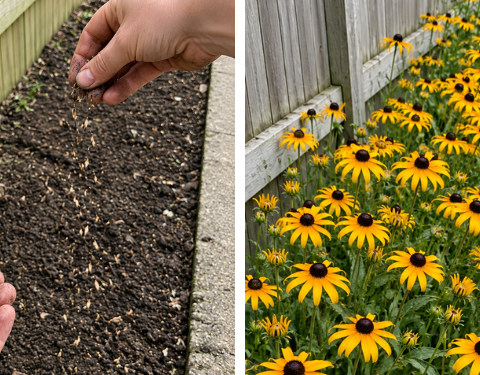
Seed note: Some Echinacea seeds germinate better after a period of cold, moist stratification, which naturally occurs when seeds overwinter outdoors.
Fall sowing can therefore be an easy way to let nature handle part of the process.
What If Your Coneflowers Have Finished Blooming Completely?
That’s perfectly normal.
Don’t try to force them into producing another flush with heavy fertilizer.
Instead, allow the plants to transition naturally toward dormancy.
Continue providing water if conditions are dry.
Remove genuine disease problems.
Leave useful seed heads.
And let healthy foliage remain until it naturally declines.
The plant’s job is changing.
During summer, you were thinking about flowers.
During fall, think about roots, crowns, stored energy, seeds, and winter survival.
Coneflowers are some of the most dependable flowers you can grow, and September care doesn’t need to be complicated.