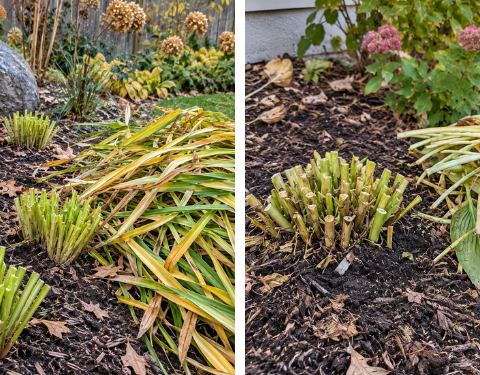
By September, lavender has usually given us the best of its summer display. The flowers may be fading, bees are visiting less frequently, and some plants begin looking a little tired, woody, or untidy.
It can be tempting to simply leave the plant alone until spring – or, at the other extreme, give it a severe haircut before winter.
Neither approach is ideal.
September is an important transition month for lavender. What you do now can influence how compact, healthy, and vigorous your plants are when growth begins again next year.
The goal isn’t to force lots of new growth before winter. Instead, September care should help lavender finish the season in good condition, reduce unnecessary stress, and prepare it for the colder and wetter months ahead.
Here is exactly what to do – and what you should avoid.
1. Give Lavender Its Final Light Trim
If your lavender has finished flowering, September can be a good time for a final tidy-up, particularly in mild climates.
Remove spent flower stems and lightly shape the plant.
But there’s one rule you should never forget:
Don’t cut deeply into old, bare wood.
Lavender produces most of its new growth from younger stems that still have leaves. Old woody sections may not reliably produce new shoots after being cut hard.
Look closely at each stem.
You’ll usually see:
Green leafy growth at the top → woody brown growth underneath.
Make your cuts within the leafy portion.
A good September trim should:
- Remove faded flower stalks
- Shorten straggly green growth
- Maintain a rounded shape
- Improve airflow
- Prevent the plant from becoming excessively leggy
You are tidying the plant-not cutting it to the ground.
2. Don’t Prune Too Hard This Late in the Season
This is especially important for gardeners in colder climates.
Heavy pruning can stimulate tender new growth.
That new growth may not have enough time to mature before frost arrives.
A severe September prune can therefore leave the plant more vulnerable going into winter.
In colder regions:
Keep September pruning very light.
Remove old flowers and obviously damaged material, but save major shaping for the appropriate time in spring.
In mild climates:
You generally have more flexibility because plants have a longer period to recover before cold weather.
Even then, avoid cutting deeply into bare woody stems.
Quick rule:
Earlier after flowering = more pruning flexibility.
Closer to frost = less pruning.
3. Remove All the Spent Flower Stalks
If your lavender is covered in brown flower heads, September is an excellent time to tidy them.
Follow each flower stalk down toward the leafy growth and cut it back neatly.
This immediately makes the plant look better, but appearance isn’t the only reason to do it.
Removing old flower stalks helps you see the structure of the plant clearly.
You can then identify:
- Dead stems
- Weak growth
- Broken branches
- Overcrowded areas
- Excessively long stems
Don’t obsess over removing every single faded flower if you enjoy the appearance of dried lavender or want to leave some seed for wildlife.
The goal is simply to keep the plant healthy and reasonably tidy.
4. Keep the Plant Rounded, Not Flat
One of the best habits you can develop when pruning lavender is maintaining its natural mound-like shape.
Think:
Soft dome rather than flat-top hedge.
Why?
Lavender naturally develops into a rounded shrub. Regularly trimming the leafy outer growth encourages branching and helps prevent the plant from becoming long, open, and woody.
A compact plant also tends to handle wind and weather better than one with long, sprawling stems.
Stand back every few cuts and look at the entire plant.
Don’t worry about creating a mathematically perfect ball.
You’re simply encouraging a balanced, compact shape.
5. Remove Dead or Damaged Growth
September is also a good opportunity to inspect the plant.
Look inside the lavender rather than examining only the outside.
You may discover:
- Dead stems
- Broken branches
- Damaged growth
- Diseased-looking material
Dead and broken material can generally be removed.
But be careful not to mistake naturally woody lavender stems for dead branches.
Older lavender plants naturally develop woody bases.
How can you tell?
Look farther along the stem for living green growth.
If the branch still supports healthy foliage, don’t automatically remove it just because its base is brown.
This is one of the easiest ways gardeners accidentally over-prune mature lavender.
6. Stop Feeding Lavender Heavily
September is generally not the time to push lavender into producing lots of lush new growth.
Lavender naturally thrives in relatively lean conditions.
Too much fertilizer – particularly nitrogen-rich fertilizer – can produce soft, leafy growth at the expense of the compact, aromatic growth gardeners usually want.
That tender growth can also be more vulnerable when cold weather arrives.
In September:
Avoid heavy applications of high-nitrogen fertilizer.
In many garden soils, established lavender doesn’t need much fertilizer at all.
If your lavender has been growing well throughout summer, there’s usually little reason to suddenly feed it heavily before winter.
Remember:
Lavender isn’t a hungry plant.
More fertilizer does not automatically mean more flowers.
7. Pay Close Attention to Drainage
If there is one thing lavender dislikes during the colder months, it’s sitting in wet soil.
Lavender originated in Mediterranean-type conditions and generally performs best in soil that drains freely.
Summer can disguise drainage problems because warm temperatures dry soil quickly.
Then autumn arrives.
Temperatures fall.
Evaporation slows.
Rain becomes more frequent in many regions.
Suddenly the soil that seemed perfectly acceptable in July stays wet for days.
This can create serious problems around lavender roots.
September is the perfect time to check:
- Does water collect around the plant after rain?
- Does the soil remain soggy for days?
- Is mulch piled against the crown?
- Is the plant growing in a low spot?
- If the answer is yes, improve drainage before winter.
8. Pull Mulch Away From the Crown
Mulching is wonderful for many garden plants.
Lavender is slightly different.
Thick layers of moisture-retaining organic mulch pressed directly against the woody crown can keep the base unnecessarily damp.
That’s particularly undesirable during cool, wet weather.
If you’ve heavily mulched your flower bed with bark, compost, leaves, or other organic material, pull it slightly away from the lavender’s crown.
Allow air to circulate around the base.
Better around lavender:
Many gardeners use gravel or small stones around established plants because these materials don’t hold moisture against the crown in the same way thick organic mulch can.
The exact approach depends on your soil and climate.
The important thing is:
Keep the crown relatively dry and well ventilated.
9. Reduce Watering as Temperatures Cool
Lavender doesn’t need the same watering schedule in September that it might have needed during an extremely hot July.
As temperatures drop, plants generally use water more slowly.
Established lavender is also quite drought tolerant once its root system is developed.
Continue checking the soil rather than watering according to the calendar.
If the soil is already moist, don’t add more water simply because it’s “watering day.”
For established lavender:
Allow the soil to dry somewhat between waterings.
For newly planted lavender:
Be more attentive.
Young plants still need enough moisture to establish their roots, but the soil should never remain waterlogged.
Container lavender:
Pots can behave differently from garden beds.
Check them individually.
The goal is consistent but restrained watering—not permanently wet compost.
10. Give Lavender as Much Sun as Possible
Lavender loves sunlight.
Ideally, it should receive around six or more hours of direct sun each day.
By September, the angle of the sun is changing and nearby plants may have grown much larger than they were in spring.
A location that was sunny in May may now be shaded by:
- Tall perennials
- Shrubs
- Trees
- Ornamental grasses
- Vegetables
Take a look at your lavender during the day.
If neighboring plants are blocking significant sunlight, consider trimming or relocating those plants where appropriate.
Don’t dig up an established lavender unnecessarily just to chase an extra few minutes of sunlight.
But preventing avoidable shading can help the plant finish the growing season strongly.
11. Improve Air Circulation
Lavender’s dislike of excess moisture doesn’t apply only to its roots.
Dense, humid conditions around the foliage can also create problems.
If neighboring plants have grown into your lavender during summer, give everything a little breathing room.
Remove weeds and trim plants that are physically smothering the lavender.
Good airflow helps foliage dry more quickly after rain.
This becomes increasingly important as autumn brings cooler nights and longer periods of moisture.
September goal:
Sun + airflow + drainage.
Those three conditions go a long way toward keeping lavender healthy.
12. Weed Around the Base
This sounds like a small job, but September weeding is worth doing.
Weeds compete for:
- Light
- Space
- Water
- Nutrients
More importantly for lavender, dense weeds can trap moisture and reduce airflow around the crown.
Remove weeds carefully so you don’t damage shallow roots.
Then inspect the soil around the base.
This is also a good opportunity to make sure fallen leaves and garden debris aren’t accumulating against the plant.
13. Don’t Pile Autumn Leaves Over Lavender
As trees begin dropping leaves, gardeners often allow them to accumulate throughout perennial beds.
That’s beneficial in many parts of the garden.
But avoid burying the center of your lavender under a thick, wet blanket of leaves.
Wet leaves can trap moisture around the crown.
After windy autumn days, check your lavender and gently remove heavy accumulations from its center.
You don’t need to sterilize the entire garden.
Simply keep the lavender itself from becoming buried in damp debris.
14. Check Container Lavender Before Winter
Lavender growing in pots needs slightly different autumn care.
The roots of plants growing in the ground are insulated by surrounding soil.
Container roots are much more exposed to changing temperatures.
September is a good time to inspect the pot.
Check:
- Are the drainage holes open?
- Is the pot sitting in water?
- Is the compost compacted?
- Is the container cracked?
- Is the plant excessively root-bound?
- Is the pot in a sheltered but sunny location?
Never leave lavender standing in a saucer filled with rainwater.
Elevating the pot slightly on pot feet can help excess water drain away.
In colder climates, container lavender may also need additional winter protection depending on the species and local temperatures.
15. Know Which Type of Lavender You Have
Not all lavender has the same cold tolerance.
This becomes especially important in autumn.
English lavender
Lavandula angustifolia and many related cultivars are generally among the hardier commonly grown lavenders.
They can tolerate colder conditions when established in well-drained soil.
Lavandin
Lavandula × intermedia hybrids are also widely grown and can form larger plants with long flower stems.
They still benefit from excellent drainage and appropriate pruning.
French and Spanish lavender
Types such as Lavandula dentata and Lavandula stoechas are generally less cold hardy than many English lavenders.
In areas with freezing winters, they may need significantly more protection or may be better grown in containers that can be moved to a suitable sheltered location.
Helpful note:
Knowing the type of lavender you’re growing can completely change your winter strategy.
16. Don’t Automatically Bring Lavender Into a Warm House
If you’re growing a less-hardy lavender in a container, you may decide it needs protection from severe cold.
But placing it in a hot, dark living room isn’t necessarily ideal.
Lavender still prefers plenty of light and good airflow.
Where winter protection is necessary, a cool, bright, frost-protected location may be more suitable than a warm indoor room, depending on the type of lavender and your climate.
Whatever location you choose, avoid overwatering dormant or slow-growing plants.
Cold-season root rot can be much more dangerous than slightly dry soil.
17. September Is a Good Time to Take Cuttings
If you love your lavender and want more plants, don’t throw away every healthy piece after trimming.
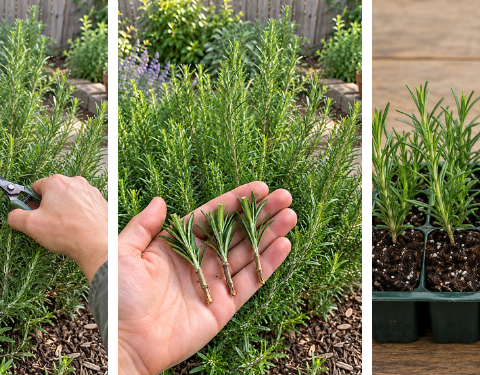
Suitable non-flowering shoots can potentially be used for propagation.
Choose healthy stems without flowers.
Cut a short section, remove the lower leaves, and insert it into a free-draining propagation medium.
Keep the medium slightly moist rather than soaking wet.
Not every cutting will root, so take several.
Why take cuttings?
Older lavender eventually becomes woody and may lose its compact shape.
Keeping younger plants coming along gives you replacements if an old plant eventually declines.
It’s also an inexpensive way to create:
- Lavender borders
- Low hedges
- Container displays
- Pollinator gardens
One healthy plant can eventually give you many more.
18. Don’t Try to “Fix” a Very Woody Lavender With One Severe Cut
Older lavender plants often develop long woody stems with green growth only toward the ends.
When gardeners see this, they’re sometimes tempted to cut the entire plant back almost to the ground.
That’s risky.
Lavender may not reliably regenerate from old bare wood.
If the plant is still reasonably healthy, gradually improving its shape through careful pruning is usually safer than one drastic September cut.
If an extremely old plant has become sparse and unattractive, replacing it with a younger propagated plant may eventually be the better option.
Prevention is easier:
Light annual pruning helps prevent lavender from becoming excessively woody in the first place.
19. Should You Deadhead Lavender in September?
Yes, you can remove faded flowers if the plant has finished blooming.
Deadheading makes the plant look cleaner and allows you to shape the leafy growth underneath.
However, don’t confuse deadheading with severe pruning.
Removing flower stalks is relatively gentle.
Cutting deeply into the woody framework is completely different.
If frost is approaching, focus on tidying rather than encouraging a lot of new growth.
20. What You Should NOT Do to Lavender in September
Sometimes knowing what not to do is even more useful.
Don’t:
Cut the plant to the ground.
Lavender doesn’t respond like many herbaceous perennials.
Prune deeply into bare wood.
Regrowth from old wood can be unreliable.
Give it lots of nitrogen fertilizer.
You don’t want a burst of soft growth before winter.
Keep the soil constantly wet.
Cool, waterlogged soil can be disastrous for lavender.
Pile mulch against the crown.
Keep the base reasonably dry and airy.
Ignore the variety you’re growing.
Different lavender types have very different levels of cold tolerance.
Assume brown stems are dead.
Mature lavender naturally becomes woody.
Preparing lavender in September isn’t about forcing one last burst of growth.
It’s about helping the plant finish the season healthy and enter winter without unnecessary stress.
The best gardens don’t just brighten your yard – they become something you can enjoy season after season.
If you’re ready to grow your own backyard pharmacy, the Medicinal Garden Kit is a wonderful place to begin.
Inside you’ll find 2,409 non-GMO seeds, a detailed Herbal Medicinal Guide, and 2 FREE bonuses to help you grow a wide variety of traditional medicinal herbs with confidence.
Take a look at the Medicinal Garden Kit and start growing something truly rewarding.