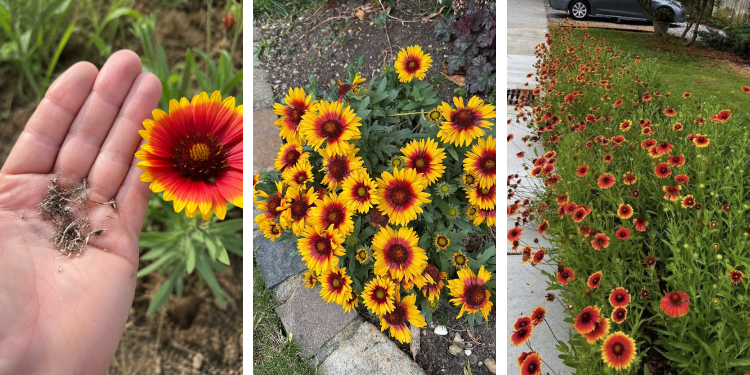
If you are searching for a perennial flower that thrives on neglect, blooms relentlessly through blistering summer heat, and draws pollinators like a magnet, look no further than Blanket Flower (Gaillardia).
Native to the sun-drenched prairies and arid open spaces of North and South America, this rugged member of the Asteraceae family gets its common name from the vibrant, warm-toned blankets traditionally woven by Native American artisans.
Featuring bold daisy-like blooms patterned in fiery bands of crimson, orange, bronze, and yellow, Gaillardia brings instant Mediterranean-style warmth and prairie resilience to any landscape.
Whether you are designing a low-water xeriscape, establishing a pollinator sanctuary, or simply trying to fill difficult, sun-baked garden beds, here are 7 compelling reasons why every garden needs Blanket Flower.
Botanical Overview & Prairie Origins
Understanding Gaillardia’s native roots helps explain its remarkable durability in modern landscapes:
1. Unstoppable Bloom Cycle From Spring to First Frost
While many popular perennials flush for a few brief weeks before fading into green foliage, Gaillardia is a continuous blooming powerhouse.
-
Four-Month Bloom Window: Once flowering begins in early summer (typically June), Blanket Flower produces an unbroken succession of vibrant blooms through July, August, September, and well into October until a hard freezing frost halts growth.
-
Built-in Deadheading Rewards: While Gaillardia will continue blooming even if neglected, spending a few minutes spent cutting back faded flower heads encourages the plant to push out fresh bud clusters immediately, maintaining a tidy mound of continuous color.
2. Extreme Heat, Drought, and Salt Tolerance
As climate patterns shift and watering restrictions become more frequent, low-water gardens (xeriscaping) are transitioning from a niche preference to a practical necessity. Gaillardia is uniquely engineered for harsh growing conditions.
-
Thrives in Poor, Lean Soils: Blanket Flower thrives in loose, sandy, or gravelly soils where other garden favorites wither. In fact, planting Gaillardia in rich, overly fertilized soil often causes plants to become floppy and short-lived.
-
Drought Resistance: Thanks to its deep taproot network and tough, hairy leaves that slow down transpiration, established Blanket Flowers require zero supplemental irrigation outside of extreme prolonged dry spells.
-
Coastal & Roadside Hardiness: Gaillardia possesses high salt tolerance, making it an ideal choice for coastal beach gardens exposed to ocean breezes, as well as roadside borders exposed to winter de-icing salts.
3. High-Value Magnet for Pollinators and Native Bees
If your goal is to build a thriving biodiversity sanctuary, Blanket Flower is an essential addition to your planting palette.
-
Accessible Composite Flower Structure: The wide, flat ray florets of Gaillardia create an ideal landing platform for butterflies, hoverflies, and beneficial solitary bees.
-
Keystone Nectar Provider: Blooming continuously through the mid-summer “pollinator drought” – when early spring flowers have faded and late autumn asters have not yet opened – Gaillardia provides a steady, reliable supply of nectar and pollen for honeybees, swallowtail butterflies, and native bumblebees.
-
Beneficial Pest Control: Attracting predatory insects like lacewings and parasitic wasps to Gaillardia plantings helps suppress soft-bodied garden pests like aphids and spider mites naturally across your entire garden.
4. Deer, Rabbit, and Pest Resistance
Gardening in areas with high populations of deer and rabbits can feel like an uphill battle. Fortunately, Blanket Flower is virtually immune to grazing pressure.
-
Textured, Aromatic Foliage: The leaves and stems of Gaillardia are covered in coarse, tiny hairs (pubescence) and contain bitter-tasting natural compounds that deer and rabbits strictly avoid.
-
Disease Resiliency: In well-drained soil with full sun exposure, Blanket Flower exhibits excellent resistance to common fungal issues like powdery mildew and rust, eliminating the need for chemical fungicides.
Gaillardia Cultivar Comparison Matrix
| Cultivar Name | Growth Habit / Height | Color Palette | Standout Feature |
| Gaillardia x grandiflora ‘Arizona Sun’ | Dwarf (10-12 in) | Mahogany red rimmed in brilliant yellow | All-America Selections winner; ideal for containers |
| Gaillardia ‘Moxie’ | Compact (12-18 in) | Bright yellow fluted, trumpet-shaped petals | Unique ruffled texture; non-flopping habit |
| Gaillardia ‘Burgundy’ | Medium (24-30 in) | Solid deep wine-red with dark central disk | Exceptional cut flower; dramatic moody tone |
| Gaillardia ‘Oranges and Lemons’ | Medium (18-24 in) | Soft orange centers tipped with buttery yellow | Muted pastel appearance; highly floriferous |
| Gaillardia aristata (Wild Species) | Tall (24-36 in) | Classic bi-color red and yellow bands | Exceptionally cold-hardy; reliable self-seeder |
5. Versatile Design Fits Any Landscape Style
Whether you manage a sprawling formal border, a rustic cottage garden, or a small urban balcony, Gaillardia adapts seamlessly to various design applications.
-
Container Gardening: Compact dwarf varieties like ‘Arizona Sun’ make ideal “thrillers” or “fillers” in sunny patio pots, holding up to hot pavement heat that would scorch delicate annuals.
-
Prairie and Meadow Gardens: Tall cultivars pair naturally with native ornamental grasses (Little Bluestem, Prairie Dropseed) and perennials like Coneflower (Echinacea), Black-Eyed Susan (Rudbeckia), and Russian Sage (Salvia yangii).
-
Erosion Control on Slopes: Planted along sunny hillsides or retaining wall edges, Gaillardia’s deep root structure helps bind loose topsoil, preventing rain washout while covering bare slopes in season-long color.
6. Winter Seed Source for Songbirds
The ecological value of Blanket Flower extends long past the summer growing season.
-
Natural Seed Heads: When flowering slows in late autumn, left-over flower heads mature into spiky, spherical seed globes filled with nutritious, oil-rich achenes.
-
Winter Foraging: Goldfinches, chickadees, juncos, and native sparrows depend on these persistent seed heads throughout late autumn and winter. Leaving the final flush of late-season flower heads un-trimmed provides an essential native food source when snow covers the ground.
7. Easy Propagation and Self-Seeding Vigor
Blanket Flower is one of the easiest perennials to start from seed, making it a cost-effective choice for covering large garden beds on a budget.
-
Generous Self-Seeding: While individual hybrid plants can sometimes be short-lived perennials (lasting 2 to 3 years), open-pollinated varieties will scatter seed naturally into gravel and garden gaps, ensuring a self-sustaining colony for years without becoming invasive.
-
Simple Seed Saving: Gathering seed is effortless: wait for flower heads to dry completely on the stem in autumn, pluck the fuzzy seed globes, and store them in a cool, dry paper envelope for spring sowing.
How to Plant and Grow Blanket Flower Successfully
To ensure your Gaillardia establishes quickly and yields non-stop summer blooms, follow this straightforward planting protocol:
By adding Blanket Flower (Gaillardia) to your landscape, you gain a tough, vibrant perennial that demands virtually no water or fertilizer while delivering non-stop color, supporting local wildlife, and braving the worst heat summer can throw at it.
The best gardens don’t just brighten your yard – they become something you can enjoy season after season.
If you’re ready to grow your own backyard pharmacy, the Medicinal Garden Kit is a wonderful place to begin.
Inside you’ll find 2,409 non-GMO seeds, a detailed Herbal Medicinal Guide, and 2 FREE bonuses to help you grow a wide variety of traditional medicinal herbs with confidence.
Take a look at the Medicinal Garden Kit and start growing something truly rewarding.