Lavender (Lavandula) is renowned for its intoxicating fragrance, silver-grey foliage, and striking purple blooms.
Native to the dry, sunny Mediterranean basin, this woody perennial thrives in lean, well-draining soil and intense heat.
However, as summer reaches its peak in mid-to-late August, lavender bushes undergo a critical physiological transition.
After flushing out their main summer bloom, plants expend considerable energy forming seed heads.
Concurrently, intense summer heat, sporadic humidity, and heavy summer downpours test the structural integrity of the plant. Without intervention, lavender can become leggy, woody, and susceptible to fungal root diseases.
August care is essential to ensuring your lavender remains compact, bushy, and resilient for years to come.
Here are 8 essential August lavender care tips to maintain plant health, encourage a potential autumn flush, and prepare your garden for winter.
The Late-Summer Lavender Lifecycle
Understanding the botanical needs of lavender during August prevents common cultivation errors like over-watering or improper pruning:
1. Deadhead and Shear Spent Summer Flowers
By August, most English (L. angustifolia) and French (L. dentata) lavenders have completed their primary bloom cycle.
Leaving brown, faded flower spikes on the plant signals it to shift energy into seed production rather than root and foliage development.
-
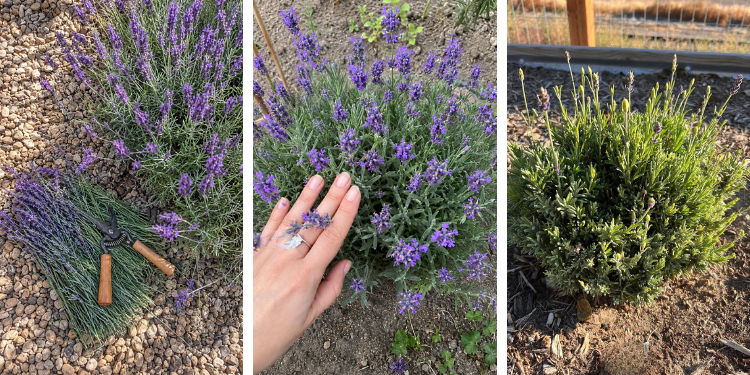
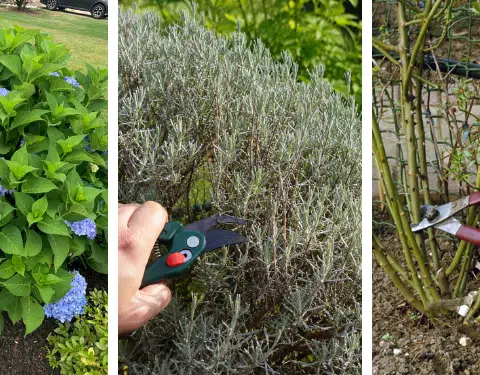
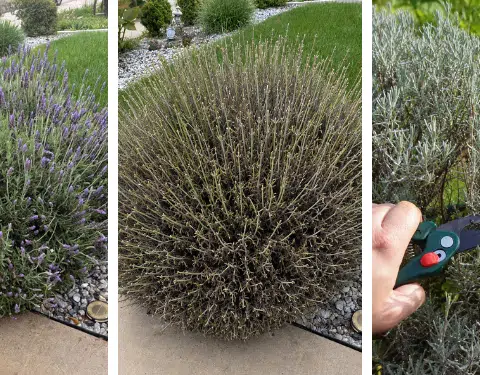
How to Shear: Use sharp, clean hand shears or hedge trimmers to cut away spent flower stalks, along with 1 to 2 inches of green leaf growth directly beneath the flower stems.
-
Maintain the Dome Shape: Prune the bush into a rounded dome. This mounded shape helps shed heavy winter snow and rain, preventing the center of the plant from splitting open under weight.
2. Follow the Cardinal Pruning Rule: Never Cut into Old Wood
While August shearing is vital, cutting too deeply into the hard, brown, woody base of a lavender plant can kill it.
-
Living Nodes: Lavender forms new growth primarily from active green stems. Older woody stems lose the dormant buds needed to push out new leaves.
-
The Safety Margin: Always leave at least 1 to 2 inches of green foliage above the old wood when trimming in late summer. If you cut down into bare wood, that section of the branch will likely remain bare and die back.
3. Reduce Irrigation Frequency to Prevent Root Rot
August heat often tempts gardeners to overwater, but lavender is far more susceptible to root rot (Phytophthora) caused by excess moisture than it is to drought stress.
-
Deep, Infrequent Watering: Established in-ground lavender needs deep watering only once every 2 to 3 weeks in August, even during hot spells. Allow the top 3 inches of soil to dry out completely before watering again.
-
Drip or Base Watering: Avoid overhead sprinklers. Soaking lavender foliage in late summer humidity creates ideal conditions for fungal pathogens like Septoria leaf spot. Direct water at the root zone early in the morning.
4. Replace Organic Mulch with Gravel or Crushed Stone
Organic mulches such as shredded bark, woodchips, or rich compost hold moisture against the root crown and decompose over time, making soil overly acidic for lavender.
-
Switch to Pea Gravel: Remove any organic wood mulch within 12 inches of the plant base and replace it with a 1 to 2 inch layer of pea gravel, crushed limestone, or coarse sand.
-
Heat Reflection: Inorganic stone mulches keep the plant crown dry, prevent fungal spores from splashing onto lower leaves, and reflect ambient heat up into the canopy, which encourages essential oil production.
Late-Summer Lavender Care Matrix
| Care Action | Primary August Goal | Recommended Frequency | Common Mistake to Avoid |
| Pruning / Shearing | Remove seed heads; form compact dome | Once in mid-to-late August | Cutting deep into brown, leafless wood |
| Watering | Maintain dry root zone; prevent rot | Every 2–3 weeks (In-ground) | Daily shallow watering with sprinklers |
| Mulching | Keep root crown dry & weed-free | Refresh gravel layer as needed | Using moisture-retentive woodchips or bark |
| Soil Adjustment | Maintain alkaline pH (6.5\7.5) | Test soil annually in late summer | Adding heavy nitrogen fertilizers |
| Air Circulation | Prevent humidity-induced fungal rot | Space plants 2–3 feet apart | Crowding with fast-growing summer annuals |
5. Skip High-Nitrogen Fertilizers
Feeding lavender high-nitrogen fertilizers in late August forces out soft, sappy green growth that will not have time to harden off before the first autumn frosts arrive.
-
Why It Harms the Plant: Soft late-season growth is easily burned by early cold snaps, creating entry points for pests and disease. Excessive nitrogen also reduces the concentration of fragrant essential oils in the foliage.
-
Soil Additives Instead: If your soil is poor, dress the base with a thin layer of agricultural lime or crushed eggshells to maintain an alkaline soil pH (6.5 to 7.5), which helps the plant absorb trace minerals naturally.
6. Harvest Stems for Drying at Peak Oil Concentration
If your lavender is still producing late summer blooms in August, harvest them at the correct time of day to capture the highest concentration of aromatic essential oils.
7. Improve Air Circulation Around Crowded Plants
During hot, humid August weather, dense or overgrown lavender plants can trap moisture within their centers, causing inner foliage to yellow, drop, or turn black.
-
Clear Surrounding Weeds: Remove competing weeds or aggressive summer annuals growing close to the base of your lavender.
-
Space Appropriately: Ensure there is at least 2 to 3 feet of clear space between mature plants to allow breeze to pass through the lower canopy, keeping leaves dry and preventing fungal outbreaks.
8. Take Semi-Ripe Cuttings for Free New Plants
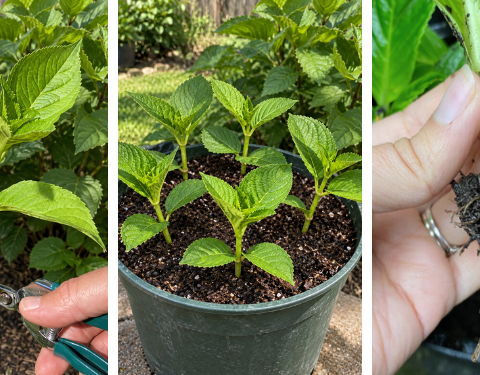
August is the ideal window to propagate lavender using semi-ripe cuttings. Semi-ripe wood is firm at the base but soft and actively growing at the tip.
-
Take Cuttings: Select healthy, non-flowering shoots about 3 to 4 inches long. Strip leaves off the lower half of the stem.
-
Dip in Hormone: Dip the bare stem into rooting hormone powder to encourage rapid root initiation.
-
Plant in Lean Media: Insert cuttings into a well-draining pot filled with a 50/50 mix of coarse sand and perlite.
-
Keep Moist & Shaded: Place the pot in a sheltered, brightly lit spot out of direct sun and keep the medium lightly damp. Roots will form within 4 to 6 weeks, providing free, acclimatized plants ready for spring setting.
GARDENER’S NOTE: Hardiness Zone Timing
In cooler climates (USDA Zones 4–6), complete all August pruning by the end of the month. Pruning too late in autumn encourages new growth that won’t harden off before frost, leaving the crown vulnerable to winter kill.
By giving your lavender plants a light shear, managing moisture around the root crown, and protecting their shape in August, you lay the foundation for strong winter survival and a burst of fragrant purple blooms next spring.
The best gardens don’t just brighten your yard – they become something you can enjoy season after season.
If you’re ready to grow your own backyard pharmacy, the Medicinal Garden Kit is a wonderful place to begin.
Inside you’ll find 2,409 non-GMO seeds, a detailed Herbal Medicinal Guide, and 2 FREE bonuses to help you grow a wide variety of traditional medicinal herbs with confidence.
Take a look at the Medicinal Garden Kit and start growing something truly rewarding.