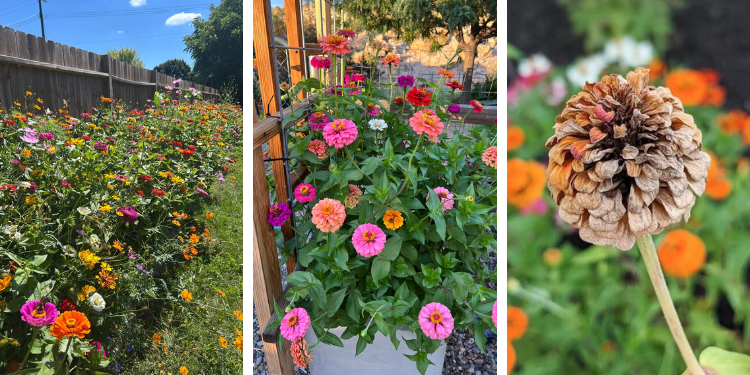
As the sweltering days of mid-to-late summer arrive, many garden flowers begin to lose their luster. Early summer perennials fade, spring bulbs are long forgotten, and heat stress can cause standard annuals to stall.
However, August is precisely when zinnias (Zinnia elegans) should be reaching their show-stopping peak.
Native to the warm regions of North and South America, zinnias thrive in high summer heat. Yet, without specific mid-season care, August can bring common challenges: powdery mildew, stem legginess, smaller flower heads, and diminished color intensity.
By applying targeted care during August, you can push your zinnias to produce larger, multi-petaled flower heads with intense pigmentation that will continue blooming heavily until the first autumn frost.
Here are 7 essential August zinnia care tips for maximum flower size, vibrancy, and plant longevity.
The August Zinnia Lifecycle Challenge
Understanding zinnia biology explains why August interventions yield such impressive results:
-
Apical Dominance vs. Lateral Branching: Zinnias naturally send energy upward toward a single main central stem. If left unmanaged, the plant exhausts its energy reserves producing one dominant bloom, resulting in thin, leggy side branches with small, faded flowers.
-
High Transpiration and Nutrient Flush: In August heat, zinnias consume water rapidly. Soil nutrients – especially phosphorus and potassium – are washed out or absorbed quickly, leading to smaller, single-row flower petals.
-
Fungal Susceptibility: Warm days paired with humid summer nights create the ideal breeding ground for fungal pathogens like powdery mildew (Erysiphe cichoracearum) and bacterial leaf spot.
Tip 1: Practice “Deep” Deadheading (Cut to the Leaf Node)
The most transformative August task for zinnias is aggressive deadheading. When a zinnia flower begins to fade or turn brown, it instantly transitions from spending energy on flower production to seed formation.
-
Avoid Soft Snapping: Do not simply pop off the dried flower head at the top of the stem.
-
Cut Deep: Follow the stem down past the spent bloom to the first or second set of true, healthy leaves (where fresh leaf axil buds are visible). Make a clean cut 1/4 inch above the leaf junction using sharp bypass pruners.
-
Result: This deep cut breaks apical dominance, forcing the plant to shoot out two robust, thick stems from the node below. Each new branch will produce a large, fully double flower head within 10 to 14 days.
Tip 2: Switch to a High-Phosphorus, Low-Nitrogen Liquid Feed
In early spring, nitrogen drives leafy green growth. By August, however, excess nitrogen is the enemy of show-worthy blooms: it encourages lush foliage while causing flower heads to shrink and colors to wash out.
- Target N-P-K Ratio: Switch your fertilizer in August to a liquid blossom booster formula high in phosphorus (P) and potassium (K), such as an N-P-K ratio of 5-10-10 or 2-8-4.
- Phosphorus Function: Phosphorus fuels cell division within flower buds, producing dense, multi-layered petals rather than sparse single blooms.
- Potassium Function: Potassium regulates plant water retention in summer heat and enhances natural anthocyanin and carotenoid pigments, making reds, magentas, oranges, and purples visually electric.
- Application Frequency: Apply diluted liquid feed every 10 to 14 days directly to the soil root zone immediately after watering.
Tip 3: Master Water Timing (Soil Only, Morning Preferred)
How and when you water zinnias in August determines whether your plants stay healthy or collapse under powdery mildew.
-
Avoid Overhead Sprinklers: Zinnias have hairy, broad leaves that trap moisture easily. Wetting the foliage in the late afternoon or evening invites fungal spores to germinate overnight.
-
Soaker Hoses or Drip Irrigation: Deliver water directly to the soil surface around the root zone. If using a hand wand, hold it low near the ground.
-
Morning Schedule: Water deeply between 6:00 AM and 9:00 AM. This allows any accidental drips on lower foliage to dry quickly in the morning sun while ensuring roots are fully hydrated before peak midday heat.
Tip 4: Prune the “Airflow Clearance Zone” (Bottom 6-8 Inches)
As zinnias mature throughout summer, their bottom leaves become old, shaded, and prone to soil-borne pathogens splashed up by rain.
-
Clear the Lower Canopy: Strip off all leaves and small spindly shoots from the bottom 6 to 8 inches of the main stem by mid-August.
-
Improve Air Circulation: Opening up the lower canopy allows air to flow freely through the plant base, dramatically reducing humidity build-up around the soil line.
-
Prevent Soil-borne Spores: Pruning lower foliage prevents fungal spores in the soil from splashing onto lower leaves during heavy summer downpours.
Mid-Season Care Action Plan
| Care Task | Target Frequency | Ideal Time of Day | Primary Goal |
| Deep Deadheading | Weekly (or twice weekly) | Early Morning or Evening | Redirects seed energy into new bloom stem production |
| High-P/K Liquid Feeding | Every 10–14 Days | Morning (after watering) | Maximizes petal density and intensifies flower color |
| Deep Ground Watering | 2–3 Times Weekly (Soaking) | 6:00 AM – 9:00 AM | Maintains cell turgor pressure without leaf wetness |
| Lower Leaf Canopy Pruning | Once in mid-August | Dry, clear afternoon | Eliminates powdery mildew breeding zone |
| Preventative Neem/Sulfur Spray | Every 14 Days | Sunset / Dusk | Controls powdery mildew without harming daytime pollinators |
Tip 5: Prevent and Manage Powdery Mildew Proactively
By August, powdery mildew – appearing as a white, flour-like dusting on leaves – is the single most common issue for zinnia growers.
Tip 6: Stake Tall Cultivars to Prevent August Stem Collapse
Popular large-flowered zinnia varieties (such as ‘Benary’s Giant’, ‘State Fair’, or ‘California Giants’) reach heights of 3 to 5 feet by August.
Top-heavy with large, water-laden blossoms, heavy summer thunderstorms can cause stems to snap at the base.
-
Single-Stem Staking: Insert thin bamboo stakes next to tall individual plants and secure them loosely using soft plant ties or garden twine in an figure-eight pattern.
-
Grid Netting for Beds: For dense flower beds or cut-flower patches, stretch horizontal plastic flower netting 4 to inch mesh) over the bed supported by corner posts. Stems will grow through the grid, keeping flowers upright through heavy winds.
Tip 7: Succession Seed for Late Autumn Color
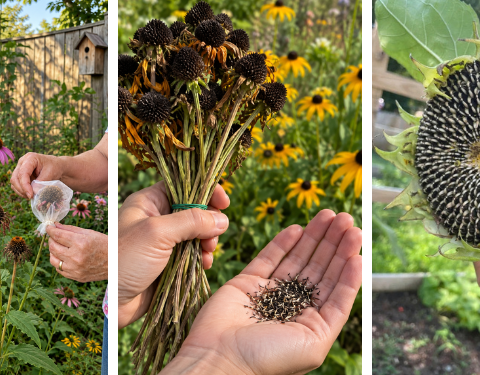
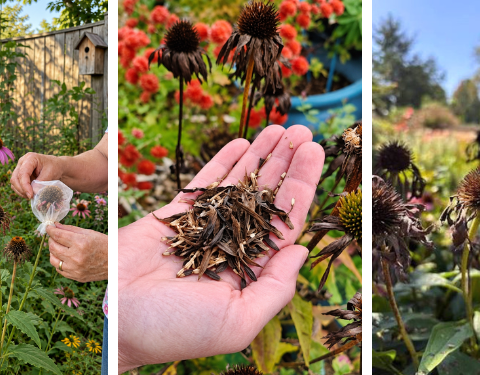
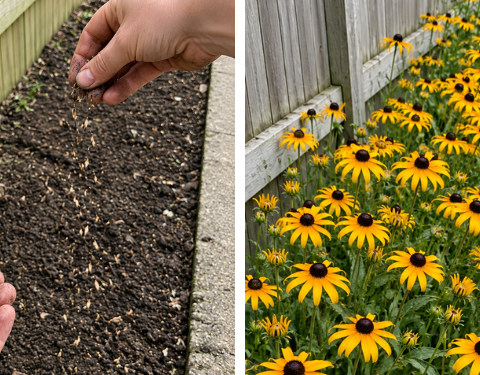
One of the best-kept secrets of master flower gardeners is August succession sowing. Zinnias germinate rapidly in warm August soil (often emerging in just 3 to 5 days) and reach flowering maturity in 45 to 60 days.
-
Sow Fast-Maturing Varieties: Plant fresh seeds of small-to-medium varieties (such as ‘Oklahoma’, ‘Zahara’, or ‘Profusion’) directly into garden beds during early August.
-
Result: While your early-summer zinnias begin to slow down in late September, these fresh August-sown plants will burst into immaculate, disease-free blooms right as early autumn arrives, providing fresh color through October until hard frost.
Giving your zinnias targeted attention in August ensures your garden beds stay vibrant through the late season.
The best gardens don’t just brighten your yard – they become something you can enjoy season after season.
If you’re ready to grow your own backyard pharmacy, the Medicinal Garden Kit is a wonderful place to begin.
Inside you’ll find 2,409 non-GMO seeds, a detailed Herbal Medicinal Guide, and 2 FREE bonuses to help you grow a wide variety of traditional medicinal herbs with confidence.
Take a look at the Medicinal Garden Kit and start growing something truly rewarding.