For decades, commercial cleaning aisles have expanded with specialized sprays, abrasive pastes, and chemical solutions for every surface in the home.
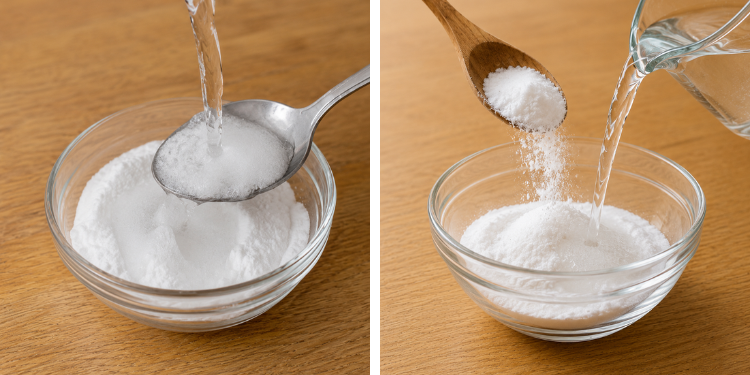
Yet, one of the most effective, versatile, and economical household cleaners requires just two simple ingredients: baking soda (sodium bicarbonate) and hot water.
When mild alkaline sodium bicarbonate dissolves in heated water, a subtle chemical transformation takes place that dramatically elevates its cleaning, deodorizing, and grease-cutting power.
Here is a look at the chemical science behind why hot water unlocks baking soda’s full cleaning potential, followed by 10 practical, highly effective ways to use this dynamic mixture throughout your home.
The Chemical Reaction: Why Hot Water Unlocks Baking Soda
Baking soda is a naturally occurring, mild alkaline salt. At room temperature, it functions as a delicate abrasive and deodorizer. However, combining it with water heated to 120°F to 180°F (50°C to 80°C) triggers a beneficial process known as thermal decomposition:
-
Elevated Alkalinity: Heat speeds up the breakdown of sodium bicarbonate into sodium carbonate, water, and carbon dioxide. Sodium carbonate is significantly more alkaline (pH ~11) than standard baking soda (pH ~8.3), making the hot solution exponentially better at breaking down fatty acids and organic buildup.
-
Saponification of Grease: When hot alkaline water contacts baked-on cooking oils or animal fats, it initiates saponification—a chemical reaction that transforms sticky, water-insoluble greases into soluble soap-like compounds that rinse away effortlessly.
-
Kinetic Molecular Energy: Hot water molecules move faster, allowing the dissolved solution to penetrate porous surfaces, dissolve mineral binders, and loosen burnt carbon deposits far quicker than cold water ever could.
10 Surprisingly Useful Ways to Use Hot Water & Baking Soda
1. Unclog Slow-Draining Sinks and Deodorize Pipes
Over time, sink drains accumulate a slimy coating of soap scum, body oils, and food scraps that slow water drainage and produce foul odors.
-
How to Use: Pour 1/2 cup of dry baking soda directly down the drain opening. Immediately follow it with 1 quart of boiling hot water. The hot, high-pH solution liquefies solidified fats lining the pipe walls, clearing mild blockages and neutralizing sulfurous odor compounds without damaging PVC pipes.
2. Restore Burnt Pots, Pans, and Baking Sheets
Scraping scorched carbon off stainless steel or enamel cookware with steel wool risks scratching the surface. Hot water and baking soda soften carbonized food gently.
-
How to Use: Fill the burnt pot with water, add 3 tablespoons of baking soda, and bring it to a rolling boil on the stove for 10 minutes. Turn off the heat and let it soak. The heat and elevated alkalinity break the chemical bonds of the burnt food, allowing it to wipe clean with a soft sponge.
3. Deep-Clean Greasy Oven Racks and Stovetops
Oven racks accumulate baked-on grease spatters that become baked onto the metal wire during high-temperature roasting.
-
How to Use: Place oven racks in a bathtub lined with an old towel (to protect the tub finish). Sprinkle 1 cup of baking soda over the racks and pour enough boiling water to submerge them completely. Let them soak for 2 to 3 hours. The hot saponification reaction softens the crusty grease so it easily wipes off with an abrasive cloth.
4. Remove Mold, Mildew, and Soap Scum from Grout Lines
Tile grout is porous, meaning mold spores, hard water minerals, and soap scum become embedded deep beneath the surface.
-
How to Use: Mix 1/2 cup of baking soda with just enough hot water to form a thick, warm paste. Spread the paste liberally over dirty grout lines and let it sit for 15 minutes. Scrub gently with a stiff grout brush and rinse with hot water. The heat expands grout pores while the alkaline paste lifts trapped grime.
5. Strip Wax and Pesticide Residues from Fresh Produce
Commercial produce often carries synthetic wax coatings designed to preserve freshness, along with oil-based pesticide residues that simple cold-water rinses leave behind.
-
How to Use: Fill a clean sink or large basin with warm-to-hot water and stir in 2 tablespoons of baking soda. Soak firm fruits and vegetables (apples, cucumbers, potatoes) for 10 to 12 minutes, then scrub gently with a produce brush. Studies show baking soda solutions break down common pesticide compounds faster than tap water alone.
Efficacy Matrix: Baking Soda Solution vs. Standard Cleaning Methods
| Cleaning Application | Hot Water + Baking Soda | Cold Water + Baking Soda | Standard Dish Soap |
| Burnt Pot Carbon Removal | Superior (Softens burnt carbon) | Poor (Requires hard scrubbing) | Moderate (Requires long soak) |
| Drain Grease Liquefaction | High (Changes fats to soluble soap) | Low (Can clump in cold pipes) | Moderate |
| Grout Tile Deep Cleaning | High (Pore-penetrating paste) | Moderate | Low |
| Silver Tarnish Removal | Instant (When paired with aluminum) | None | None |
| Odor Neutralization | Immediate (Gaseous & liquid) | Gradual | Masks odors with perfume |
6. Remove Tarnish from Silverware Instantly via Electrolysis
Cleaning tarnished sterling silver or silver-plated items using liquid polishes requires tedious manual rubbing and exposes you to harsh chemical fumes.
-
How to Use: Line a glass baking dish with aluminum foil (shiny side up). Place your tarnished silver pieces directly on the foil, ensuring each piece touches the metal. Sprinkle 1/4 cup of baking soda over the silver and pour boiling hot water over everything until fully submerged.
-
The Science: An electrochemical reaction occurs immediately: the hot baking soda acts as an electrolyte, transferring the sulfur atom causing the black tarnish (silver sulfide) off the silver and onto the aluminum foil! Within 60 seconds, your silver shines like new.
7. Freshen Smell-Trapping Carpet and Upholstery Stains
Pet accidents, spilled coffee, and milk stains sink deep into carpet fibers and backing pads, creating lingering odors as bacteria feed on organic material.
-
How to Use: Blot up excess liquid first. Mix 2 tablespoons of baking soda in 2 cups of very hot water until dissolved. Pour or spray the hot solution directly onto the stain, let it sit for 10 minutes, then blot firmly with a dry microfiber towel. The hot solution penetrates deep carpet fibers, neutralizing acidic volatile odor compounds at their source.
8. Deodorize and Clean Smelly Trash Cans and Recycling Bins
Plastic trash cans absorb foul-smelling organic compounds into their porous synthetic walls, leaving behind persistent odors even after you change the bag.
-
How to Use: Pour 1 cup of baking soda into the bottom of an empty outdoor or indoor trash bin. Add 1 gallon of steaming hot water and scrub the interior walls with a long-handled deck brush. Let the liquid sit for 15 minutes before dumping it out and rinsing. The hot alkaline wash strips away sticky food residues and eliminates trapped smells.
9. Revitalize Dulling White Towels and Laundry
Over time, mineral deposits from hard water combined with detergent buildup cause white bath towels, socks, and bedsheets to turn gray, yellow, and stiff.
-
How to Use: Fill a top-loading washing machine, utility sink, or large tub with hot water. Add 1 cup of baking soda and dissolve thoroughly before adding your white laundry. Allow the items to soak for 1 to 2 hours before running a normal warm wash cycle. The solution strips away excess mineral buildup and detergent residues, restoring fabric softness and brightness.
10. Clean and Sanitize Coffee Makers and Thermoses
Oils from roasted coffee beans oxidize over time, leaving a bitter, sticky dark brown film on the inside of thermal carafes, travel mugs, and espresso machine parts.
-
How to Use: Dissolve 2 tablespoons of baking soda into 3 cups of boiling hot water. Pour the hot liquid directly into your stainless steel travel mug or glass coffee carafe and let it soak for 20 minutes. Swish with a bottle brush and rinse—the coffee oils break down instantly, eliminating bitter residual tastes.
How to Prepare the Ideal Master Cleaning Solution
To get consistent results across all cleaning applications, follow these simple preparation steps:
Surface Safety Caution: While hot baking soda water is safe on stainless steel, glass, ceramic, porcelain, tile, and durable plastics, avoid using it on non-anodized aluminum cookware (it can discolor the metal) or natural wood surfaces (high alkalinity can dissolve protective wood oils).
Combining simple baking soda with hot water creates an eco-friendly, non-toxic, and inexpensive cleaning power tool.
By understanding how heat elevates sodium bicarbonate’s natural chemistry, you can replace dozens of costly specialty cleaners with a single sustainable solution.