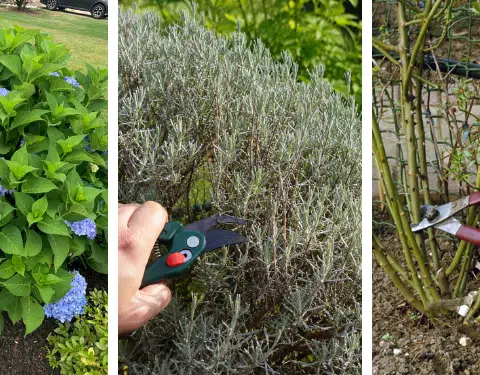
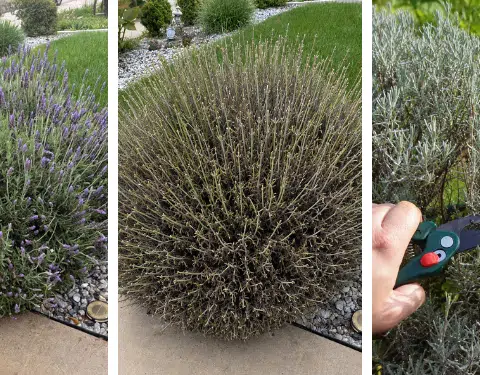
As late summer arrives, nursery shelves begin to clear out and plant prices stay high. However, August offers a unique opportunity for garden expansion.
During this month, soil temperatures remain warm, ambient humidity stays high, and perennial plants enter a vital biological window known as semi-ripe wood development.
Instead of buying expensive nursery pots next spring, you can propagate existing plants during August at zero cost.
Taking cuttings or dividing root systems late in the season gives new plants weeks to establish healthy root growth before winter dormancy sets in.
The Botanical Science of August Propagation
Propagating plants in August differs from spring propagation due to key physiological changes in plant tissues:
-
Semi-Ripe Stem Growth: Spring stems are soft, green, and prone to rotting in damp soil. By August, current-season growth has matured into semi-ripe wood – firm and brown at the base, yet soft and flexible at the tip. This balance provides structural strength against fungal rot while maintaining active cell division (meristematic tissue) needed for rapid root development.
-
Optimal Auxin Concentrations: Endogenous plant hormones, particularly indole-3-acetic acid (IAA), accumulate in the stem nodes during late summer. These hormones signal the stem to produce adventitious roots when cut and placed in moisture.
-
Soil Heat and Moisture Retainers: Warm soil accelerates cellular metabolic rates, encouraging roots to form in 2 to 4 weeks compared to 6 to 8 weeks in chilly spring soils.
12 Plants You Should Propagate in August
1. Lavender (Lavandula angustifolia)
-
Propagation Method: Semi-ripe stem cuttings.
-
Why August Works: Spring softwood cuttings often wilt in heat, but August stems have developed the firm base required to resist rot while rooting easily in sandy soil.
-
How to Do It: Cut a 3\4 inch non-flowering stem just below a leaf joint. Strip the lower leaves, dip in organic rooting hormone (or honey), and insert into a 50/50 mix of coarse sand and potting soil.
2. Rosemary (Salvia rosmarinus)
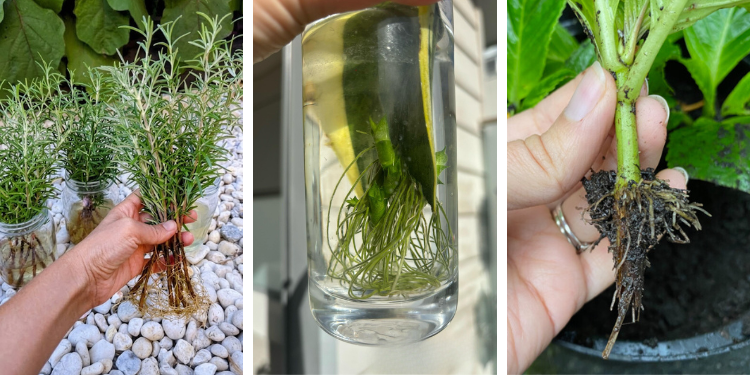
- Propagation Method: Semi-ripe stem cuttings or water rooting.
- Why August Works: August stem growth contains high essential oil concentrations and firm bark, making it resilient for overwintering indoors or in cold frames.
- How to Do It: Take a 4 inch cutting from fresh lateral shoots. Strip the bottom 2 inches of needle-like leaves and place in a glass of clean water or moist propagation medium. Roots typically appear in 3 weeks.
3. Hydrangeas (Hydrangea macrophylla & H. paniculata)
-
Propagation Method: Softwood to semi-ripe tip cuttings.
-
Why August Works: After summer bloom surges subside, energy shifts back toward vegetative growth. Cuttings taken now develop strong root systems before deciduous leaf drop.
-
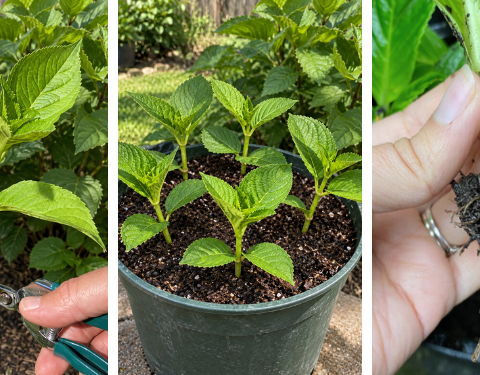
How to Do It: Choose a strong shoot that didn’t produce a flower blossom. Snip a 5 inch tip, trim upper leaves in half to reduce water loss from transpiration, and insert into damp peat-perlite mix under a clear plastic dome.
4. Garden Mint (Mentha spicata & M. piperita)
-
Propagation Method: Runner division or water cuttings.
-
Why August Works: Mint spreads vigorously via underground runners (stolons) throughout summer. Taking divisions in August gives you potted herb plants ready for indoor windowsill growing all winter.
-
How to Do It: Snip 4-inch stem tips and place in water, or dig up a section of creeping root runner with stem shoots attached and pot directly into moist soil.
5. Salvia (Salvia nemorosa & S. leucantha)
-
Propagation Method: Semi-ripe side shoot cuttings.
-
Why August Works: Post-bloom pruning in August triggers a flurry of fresh side shoots that root rapidly in warm late-summer soil.
-
How to Do It: Select non-flowering side shoots 3\4 inches long. Remove lower leaves and insert into moist potting soil kept in bright, indirect light.
6. Golden Pothos & Philodendron (Epipremnum aureum)
-
Propagation Method: Node stem cuttings in water.
-
Why August Works: Indoor houseplants experience their peak growth rates during warm August days. Cuttings rooted in water now produce lush root clusters within 10 to 14 days.
-
How to Do It: Cut long vines into single-node segments, ensuring each piece includes one leaf and one brown root bump (aerial node). Submerge the node in clean water.
7. Sedum / Stonecrop (Sedum spectabile)
-
Propagation Method: Leaf cuttings or stem division.
-
Why August Works: Succulent sedums store abundant water in their fleshy leaves, allowing late-summer stem cuttings to root with almost zero risk of wilting.
-
How to Do It: Snip a 3-inch stem or pluck individual mature leaves. Let the cut end callus in the shade for 24 hours, then push lightly into damp succulent soil.
8. Boxwood (Buxus sempervirens)
-
Propagation Method: Semi-hardwood cuttings.
-
Why August Works: Buying dozens of boxwood shrubs for hedges can get expensive. August stem growth is firm enough to withstand winter while holding enough sap to root over autumn.
-
How to Do It: Take 4\6 inch heel cuttings (pulling the shoot down so it retains a small ‘tail’ of older bark). Dip in rooting powder and plant firmly in shaded sand beds.
9. Geraniums / Pelargoniums (Pelargonium spp.)
-
Propagation Method: Stem tip cuttings.
-
Why August Works: Taking geranium cuttings in August ensures you have healthy, compact young plants ready to overwinter indoors, saving you from buying new annuals next spring.
-
How to Do It: Cut a 4-inch non-flowering tip just below a node. Let it dry for two hours to form a skin over the cut, then plant in dry-to-moist potting mix. Avoid overwatering.
10. Garden Roses (Rosa spp.)
-
Propagation Method: Hardwood stem cuttings (Hardwood/Semi-ripe method).
-
Why August Works: Faded summer rose stems make ideal propagation material. Rooting rose stems under glass jars in late summer is a reliable traditional garden technique.
-
How to Do It: Choose a stem that recently bore a flower (when petals fall). Cut a 6-inch pencil-thick segment, strip leaves from the lower two-thirds, dip in rooting medium, and insert deeply into moist garden soil covered with a glass mason jar.
11. Snake Plant (Sansevieria trifasciata)
-
Propagation Method: Leaf segment division.
-
Why August Works: High ambient summer temperatures encourage fast rhizome production from leaf cuttings.
-
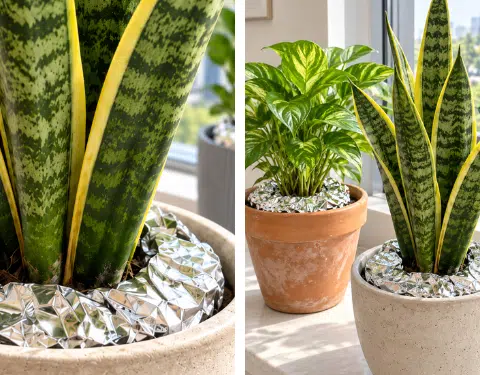
How to Do It: Cut a long blade leaf into 3 inch horizontal sections. Maintain correct orientation (the bottom edge of the leaf segment must face down). Insert 1 inch deep into moist sand or water.
12. Hostas (Hosta spp.)
-
Propagation Method: Root crown division.
-
Why August Works: Dividing large hosta clumps in late August allows root systems to re-establish in warm soil before freezing winter temperatures arrive, ensuring vigorous spring growth.
-
How to Do It: Dig around the root ball of an established clump. Use a sharp, sterile spade or knife to slice the crown into section eyes, retaining roots on each piece, and replant immediately.
August Propagation Quick Reference Guide
| Plant Name | Primary Method | Rooting Time | Soil / Medium Preference |
| Lavender | Semi-ripe cutting | 4–6 weeks | Sand & Perlite (50/50) |
| Rosemary | Stem cutting / Water | 3–4 weeks | Clean water or sandy loam |
| Hydrangea | Leafy tip cutting | 3–4 weeks | Peat-perlite mix (moist) |
| Mint | Stolon / Water | 7–10 days | Water or potting soil |
| Salvia | Side shoot cutting | 2–3 weeks | Light potting soil |
| Pothos | Node stem in water | 10–14 days | Clean tap water |
| Sedum | Stem / Leaf callus | 2–3 weeks | Dry succulent soil |
| Boxwood | Heel cutting | 6–8 weeks | Coarse sharp sand |
| Geranium | Tip cutting | 3 weeks | Well-drained compost |
| Rose | Stem cutting under jar | 5–8 weeks | Moist garden bed soil |
| Snake Plant | Leaf segment | 4–6 weeks | Water or sandy medium |
| Hosta | Crown division | 2 weeks | Organic garden compost |
Step-by-Step: The August Semi-Ripe Cutting Process
To maximize your success rate when taking late-summer cuttings, follow this reliable method:
Late-Summer Care Tip: Keep your propagation containers out of harsh, direct afternoon sun. High summer heat under plastic covers can overheat stem tissues before root systems form. Bright shade under a porch or tree canopy is ideal.
Propagating plants in August is one of the most effective ways to multiply your garden collection for free.
Taking advantage of warm late-summer soil and semi-ripe stem growth allows you to build a healthy nursery stock ready to burst into life next spring.