
When planning a vegetable garden, our minds naturally gravitate toward the usual suspects: crisp head lettuces, summer tomatoes, or classic leafy spinach.
We plot out rows of delicate greens, only to find ourselves battling mid-summer heatwaves that cause our crops to bolt (produce premature seeds) or winter cold snaps that turn our hard work to mush.
If you are looking to break this cycle of high-effort, low-reward gardening, it is time to meet Swiss Chard (Beta vulgaris subsp. vulgaris).
A close botanical cousin to beets and spinach, Swiss chard is one of the most resilient, productive, and visually stunning vegetables you can introduce to your garden.
The Biological Magic of Chard: Why It Belongs in Your Garden
Unlike delicate leaf lettuces that quickly collapse under environmental stress, Swiss chard possesses a robust vascular system and deep taproot structure.
This allow it to access water and nutrients deep within the soil profile, making it a rugged survivor.
Here are 12 reasons why Swiss chard is the ultimate addition to your garden layout.
12 Reasons Everyone Should Grow Swiss Chard
1. Exceptional Climate Resilience (Heat and Cold Tolerance)
Most leafy greens are highly sensitive to temperature shifts. Spinach and head lettuces bolt and turn bitter as soon as afternoon temperatures climb past 75°F (24°C). Kale, while cold-hardy, can struggle in intense summer heat.
Swiss chard stands practically alone in its ability to handle both extremes. It can easily survive heavy winter frosts and light freezes, yet it continues to produce tender, sweet leaves through the peak of baking summer heatwaves.
It is a truly continuous, three-season crop.
2. The High-Yield “Cut-and-Come-Again” Harvest Model
When you harvest a head of lettuce or cabbage, the plant’s life cycle is over; you must pull the roots and replant. Swiss chard utilizes a highly efficient cut-and-come-again growth habit.
By harvesting only the outer leaves of the plant near the soil line, the inner crown remains untouched and continues to rapidly push out new growth.
A single row of Swiss chard can provide a steady, weekly kitchen harvest from early spring all the way into winter.
3. Striking Landscape Beauty (Edible Landscaping)
Who says vegetable gardens have to be hidden away in the backyard? With varieties like ‘Bright Lights’ or ‘Peppermint’,
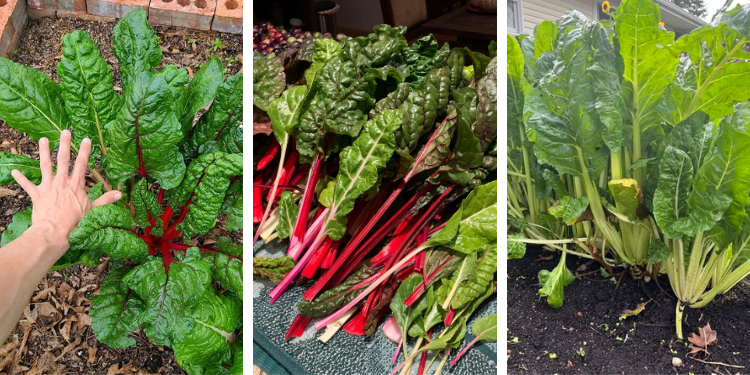
Swiss chard features brilliant, glowing stems in shades of ruby red, neon pink, golden yellow, orange, and pure alabaster white.
Its deeply crinkled, emerald-green or bronze leaves create a stunning visual contrast, making it perfect for front-yard edible landscaping, mixed flower borders, or ornamental patio containers.
4. High Nutritional Density
Swiss chard is a nutritional powerhouse. A single cup of cooked chard provides more than 300% of your daily recommended intake of Vitamin K, which is essential for bone health and proper blood clotting.
Additionally, it is packed with Vitamin A, Vitamin C, iron, magnesium, and potassium, as well as unique antioxidant pigments called betalains, which have been shown to support cellular health and lower systemic inflammation.
5. Two Vegetables in One (Stems and Leaves)
When you cook with Swiss chard, you are essentially getting two distinct culinary ingredients for the price of one:
-
The Leaves: Soft, tender, and earthy, chard leaves can be used exactly like spinach. They are delicious eaten raw in salads when young, or sautéed, steamed, and added to soups when mature.
-
The Stems: Thick, crisp, and slightly sweet, the colorful stalks have a texture similar to celery. They can be chopped and sautéed with garlic, pickled in vinegar, or gratinéed with cheese.
6. Extremely Easy to Grow from Seed
Unlike some herbs or brassicas that have tiny, delicate seeds requiring precise greenhouse temperatures to germinate, Swiss chard seeds are large, rough, and highly resilient.
Each rough “seed” is actually a small, natural cluster containing two to three individual seeds. They germinate quickly and reliably when sown directly into garden beds, making them an excellent, high-success crop for beginning gardeners and children.
7. Lower Water Requirements Than Standard Greens
Because of its deep, expansive taproot system, Swiss chard is highly efficient at seeking out moisture deep beneath the soil surface.
While head lettuces require shallow, daily watering to prevent their roots from drying out and turning bitter, established Swiss chard can tolerate dry spells with ease, making it a highly sustainable choice for water-conscious gardens.
8. Exceptional Adaptability to Container Gardening
You don’t need a sprawling backyard plot to grow a massive supply of chard. Because its root system adapts well to confined spaces, a single Swiss chard plant will thrive happily in a standard 5-gallon container or a deep window box.
This makes it an incredibly productive choice for patios, balconies, or paved urban courtyards.
9. High Shade Tolerance
Most classic summer crops – like peppers, tomatoes, and squash – require a minimum of 8 hours of blazing, direct sunlight daily to produce a harvest. If your yard has mature trees or shadow casting from nearby buildings, finding space can be tough.
Swiss chard is highly shade-tolerant. While it grows fastest in full sun, it will happily produce abundant, tender leaves with as little as 3 to 4 hours of dappled sunlight a day.
10. Long-Term Soil Improvement
The deep taproot of the Swiss chard plant does excellent physical work beneath your garden beds. As it pushes down through the earth, it naturally breaks up compacted, heavy clay soils, opening up channels for water, oxygen, and beneficial soil microbes.
When the plant finally finishes its life cycle, those deep roots break down in place, leaving behind rich organic matter that improves the overall soil structure.
11. Minimal Pest and Disease Pressure
Many common leafy greens are plagued by flea beetles, cabbage worms, and powdery mildew. While Swiss chard can occasionally attract aphids or leaf miners, its thick, leathery leaves and natural chemical defenses make it much less appealing to pests than tender spinach or lettuces.
You can easily manage minor pest issues by simply pinching off affected leaves, keeping your gardening completely organic and chemical-free.
12. Unmatched Longevity in the Garden (Biennial Nature)
Technically a biennial plant, Swiss chard has a natural two-year life cycle. In its first year, it focuses entirely on producing lush, beautiful leaves.
It will continue growing right through winter, and only in its second spring will it produce flowers and set seed.
This means a single spring planting will feed you consistently for over a full calendar year before needing to be replaced.
Leafy Greens Comparison
| Crop | Heat Tolerance | Cold Tolerance | Harvest Style | Life Span |
| Swiss Chard | High (Does not bolt easily) | High (Withstands hard frosts) | Cut-and-Come-Again | Biennial (12-18 months) |
| Spinach | Low (Bolts quickly in spring) | High (Thrives in cold) | Single Cut or Cut-and-Come-Again | Annual (2-3 months) |
| Butterhead Lettuce | Low (Turns bitter in heat) | Moderate (Damaged by hard freezes) | Single Cut | Annual (2-3 months) |
| Curly Kale | Moderate (Can get tough/bitter) | High (Sweetens with frost) | Cut-and-Come-Again | Biennial (12-15 months) |
How to Plant and Establish Your Swiss Chard
To ensure your Swiss chard establishes a deep, healthy root system and produces a continuous harvest of leaves, follow these steps:
Garden Tip: To keep your Swiss chard producing sweet, tender leaves all summer long, lay down a 2-inch layer of organic straw or shredded leaf mulch around the base of the plants. This keeps the soil cool, prevents weeds from popping up, and locks in valuable moisture.
Adding Swiss chard to your garden is one of the easiest ways to secure a steady, year-round supply of fresh, nutrient-dense greens with minimal effort.
The best gardens don’t just brighten your yard – they become something you can enjoy season after season.
If you’re ready to grow your own backyard pharmacy, the Medicinal Garden Kit is a wonderful place to begin.
Inside you’ll find 2,409 non-GMO seeds, a detailed Herbal Medicinal Guide, and 2 FREE bonuses to help you grow a wide variety of traditional medicinal herbs with confidence.
Take a look at the Medicinal Garden Kit and start growing something truly rewarding.


