Every gardener, at some point, goes searching for the holy grail of landscaping: a plant that looks beautiful, survives harsh conditions, thrives without constant attention, and actually improves the soil and ecosystem around it.
We are often told that high-impact beauty requires high-maintenance care. We buy fussy, water-thirsty annuals and delicate ornamentals, only to spend our weekends weeding, watering, spraying, and worrying.
If you are ready to break this exhausting cycle, it is time to meet Sedum.
Commonly known as stonecrop, Sedum is a massive genus of succulent plants containing over 400 distinct species.
They range from tiny, creeping groundcovers that paint stone walls with green and gold to upright, shrub-like perennials that burst into deep pink and copper blossoms right when the rest of the autumn garden is beginning to fade.
Sedum is not just another pretty face in the nursery aisle. It is a biological powerhouse engineered by nature to survive and thrive where other plants wither away.
Here are 12 reasons why Sedum is the absolute perfect, low-maintenance addition to every garden.
12 Reasons to Love Sedum
1. Superior Drought Tolerance (Crassulacean Acid Metabolism)
While other plants wilt and drop their leaves after a few hot, rainless days, Sedum remains plump, hydrated, and perfectly calm.
As a true succulent, it features thick, fleshy leaves and stems designed specifically to store water for long periods.
But its real secret weapon is a unique metabolic process called Crassulacean Acid Metabolism (CAM).
By storing carbon dioxide overnight and processing it during the day, Sedum minimizes water loss, allowing it to survive prolonged droughts without breaking a sweat.
2. Adaptation to Poor, Rocky Soils
Many ornamental plants require rich, fertile, heavily amended loam to survive. If you plant them in clay or sandy, rocky soil, they stunt and die.
Sedum, however, earns its common name “stonecrop” because it literally grows where stones crop up. It thrives in gravel, sand, lean soils, and tight rock crevices.
In fact, planting Sedum in overly rich, fertilized soil is one of the few ways to harm it; high nutrients cause the plant to grow too quickly, resulting in floppy, weak stems that split apart under their own weight.
3. Year-Round Visual Interest
Many perennials are “one-hit wonders” that look spectacular for two weeks in spring and then spend the rest of the year as a boring green clump.
Sedum provides visual interest through all four seasons. In spring, it emerges as tight, rosetted buds that look like tiny heads of decorative cabbage.
In summer, it develops dense, broccoli-like green flower heads. By autumn, these heads open into deep, rich rose, copper, or bronze blooms.
Even in the dead of winter, the dried, woody flower heads stand tall above the snow, catching frost and providing a beautiful structural element to a quiet landscape.
4. Natural Erosion Control and Living Mulch
Low-growing, creeping Sedum varieties (such as Sedum album or Sedum spurium) are incredibly efficient groundcovers.
They spread outward via shallow, horizontal roots, anchoring loose soil on steep slopes, sunny banks, and erosion-prone hillsides.
As they grow, they form a dense, thick carpet of fleshy leaves that acts as a living mulch, shading the ground below to suppress weeds and lock in soil moisture without the need for fresh bark mulch every spring.
5. Highly Resistant to Common Garden Pests
Dealing with aphids, spider mites, and Japanese beetles can quickly turn gardening into a stressful chore.
Fortunately, Sedum’s thick, rubbery leaves and unique sap profile make it highly unappealing to the vast majority of common insect pests.
You will rarely, if ever, need to spray your Sedum with chemical pesticides or organic oils, keeping your garden maintenance clean and entirely non-toxic.
6. A Haven for Pollinators
While pests steer clear of Sedum, beneficial pollinators absolutely love it. The flat, broad flower heads of upright Sedums are made up of hundreds of tiny, nectar-rich, star-shaped blossoms.
Because they bloom in late summer and autumn – a time of year when nectar sources are scarce – they act as a critical fueling station for honeybees, bumblebees, and migrating Monarch butterflies preparing for their long journeys south.
Seasonal Garden Color Profile:
  ├── Spring =======> Cool blue and green succulent leaf rosettes
  ├── Summer =======> Tight, broccoli-like green flower clusters
  ├── Autumn =======> Warm rose, pink, and copper star-shaped blooms
  └── Winter =======> Dried, rust-colored structural seed heads catching the frost
7. Extreme Temperature Resilience
Some plants melt in the high heat of summer, while others freeze and turn to mush during cold winter snaps. Sedum handles both extremes with ease.
Most stonecrop varieties are fully hardy from USDA Zone 3 all the way up to Zone 9. They can withstand sub-zero winter temperatures, heavy snow cover, and baking, high-UV summer heatwaves without requiring protective burlap wraps or temporary shade cloths.
8. Effortless, High-Success Propagation
Want to turn one Sedum plant into ten? You don’t need expensive rooting hormones, special greenhouse setups, or professional gardening skills. Sedum is one of the easiest plants in the world to propagate.
If a stem accidentally breaks off while you are weeding, simply strip the bottom leaves and push the bare stem straight into damp soil. Within a couple of weeks, it will grow a brand-new root system and establish itself as an independent plant.
9. Minimal Pruning and Grooming Required
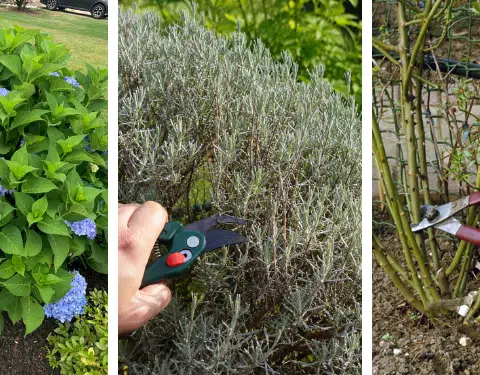
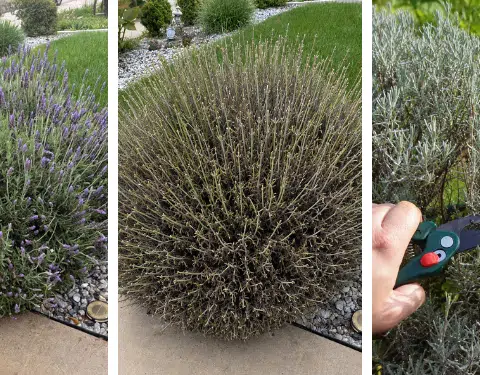
Unlike roses, lavender, or hydrangeas, which require precise, time-sensitive pruning to maintain their health and structure, Sedum is incredibly low-maintenance.
Upright varieties only need a single quick trim in early spring to clear away the dried stalks from the previous winter.
Creeping varieties require no pruning at all; if they happen to wander out of their designated boundaries, you can simply pull up the stray runners with your hands and replant them elsewhere.
10. Low-Water Landscaping (Xeriscaping) Compatibility
As global climates shift and water utility rates continue to rise, maintaining a water-thirsty lawn or high-irrigation garden bed is becoming increasingly expensive and unsustainable.
Sedum is a classic cornerstone of xeriscaping (landscaping designed to reduce or eliminate the need for supplemental irrigation).
Once established in your yard, Sedum can rely entirely on natural rainfall, saving you money on water bills and freeing you from dragging heavy hoses around the garden.
11. Exceptional Fire Resistance
In areas prone to wildfires, choosing the right plants for home landscaping can make a significant difference in home safety.
Because Sedum stores a massive amount of water inside its leaves and stems and contains very little dry, woody inner material during the active growing season, it has a exceptionally low flammability profile.
Planting a buffer zone of low-growing Sedum around your home’s foundation or porch creates a natural, green fire-break that helps slow the spread of windblown embers.
12. Unbelievable Variety in Design
Whether you have a modern, minimalist gravel garden, a rustic cottage border, or a vertical green wall, there is a Sedum variety designed to fit your space.
-
Creeping Sedums: Varieties like ‘Blue Spruce’ or ‘Dragon’s Blood’ stay under 6 inches tall, painting the ground with vibrant shades of blue, gold, green, and deep burgundy.
-
Upright Sedums: Varieties like ‘Autumn Joy’ or ‘Purple Emperor’ grow up to 2 feet tall, forming tidy, structural mounds that anchor perennial borders and look fantastic in decorative containers.
3 Simple Steps to Plant and Establish Sedum
To get your Sedum off to the perfect start, follow these three simple steps:
Bringing Sedum into your yard is more than just adding a new plant to the garden – it is an investment in a more relaxed, sustainable way of gardening.

The best gardens don’t just brighten your yard – they become something you can enjoy season after season.
If you’re ready to grow your own backyard pharmacy, the Medicinal Garden Kit is a wonderful place to begin.
Inside you’ll find 2,409 non-GMO seeds, a detailed Herbal Medicinal Guide, and 2 FREE bonuses to help you grow a wide variety of traditional medicinal herbs with confidence.
Take a look at the Medicinal Garden Kit and start growing something truly rewarding.