In an era where the cost of specialized household cleaners, leather conditioners, and beauty products continues to climb, finding versatile, budget-friendly alternatives is a major win for your wallet.
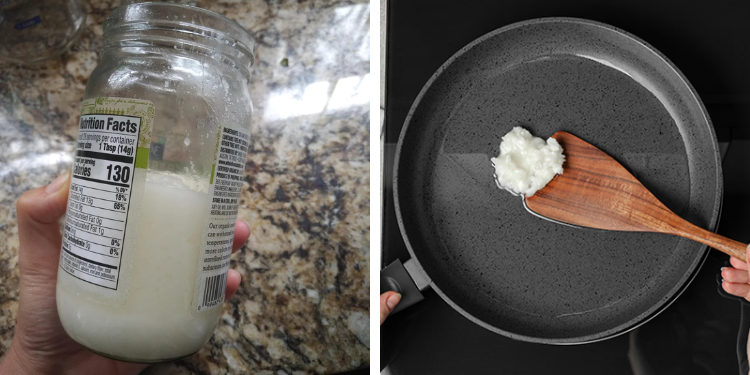
Most people look to the commercial cleaning aisle for solutions, but one of the greatest money-saving tools is actually sitting right in your pantry: a jar of pure coconut oil.
While coconut oil is widely celebrated as a healthy cooking fat, its unique chemical structure makes it an incredibly effective tool for home maintenance.
Composed primarily of lauric acid and saturated medium-chain fatty acids, coconut oil acts as a natural water repellant, a gentle surfactant that breaks down sticky residues, and a deeply penetrating conditioner for porous surfaces.
By replacing an array of single-use chemical products with a single jar of this plant-based oil, you can save significant money while keeping your home running smoothly.
The Science of Coconut Oil: Why It Works Around the House
To understand why a cooking ingredient can double as a powerful home maintenance asset, it helps to look at its molecular properties.
-
Oxidation Resistance: Unlike liquid vegetable oils (like canola or corn oil) which oxidize quickly, turn rancid, and become sticky over time, coconut oil is highly saturated. This makes it exceptionally stable, allowing it to coat surfaces without developing an unpleasant smell or gummy texture.
-
Surfactant Properties: Because oil attracts oil, the non-polar molecules in coconut oil easily slide beneath sticky adhesives, mechanical grease, and organic grime, breaking their physical bond with a surface so they can be wiped away completely.
-
Moisture Barrier: Once applied to a porous material like wood or leather, the oil fills microscopic gaps, creating a natural hydro-phobic (water-repelling) shield that locks out moisture and prevents drying or cracking.
7 Money-Saving Coconut Oil Household Hacks
Here are seven smart, practical ways to use coconut oil around your home to replace expensive specialty products.
1. The Ultimate All-Natural Goo and Sticker Remover
Commercial adhesive removers work well, but they often carry harsh, chemical fumes and require specialized purchases.
Coconut oil offers a non-toxic alternative that clears away sticky price tags, product labels, and stubborn duct tape residue.
-
The Method: Mix equal parts coconut oil and baking soda to form a thick, uniform paste. Apply the paste directly over the sticky residue and let it sit for 5 to 10 minutes.
-
The Action: The oil gently penetrates and dissolves the adhesive backing, while the baking soda provides a very fine mechanical grit. Rub the area with a soft cloth in circular motions, and the sticky residue will lift away cleanly without scratching plastic, glass, or metal surfaces.
2. Revitalizing and Preserving Wood Furniture
Over time, finished wood furniture loses its moisture, leading to a dull appearance and fine surface cracks. Commercial furniture polishes often rely on petroleum distillates or synthetic silicones that build up over time. Coconut oil works as an excellent natural alternative.
-
The Method: Clean any dust off your wood surface. Melt a tablespoon of coconut oil, add a few drops of fresh lemon juice, and dip a clean microfiber cloth into the mixture.
-
The Action: Rub the oil mixture along the natural grain of the wood. The oil penetrates the dry wood fibers, restoring their natural color and depth, while leaving behind a smooth, protective layer that naturally repels water rings and dust.
Wood Polish Formula:
  [ 1 Tbsp Coconut Oil (Melted) ] + [ 4-5 Drops Lemon Juice ] = Natural Furniture Restorer
3. Deeply Conditioning Leather Goods
From leather boots and jackets to belts and living room sofas, keeping leather hydrated is essential to prevent cracking. Specialized leather conditioners can be surprisingly expensive, but coconut oil handles the job perfectly.
-
The Method: Clean the leather surface with a slightly damp cloth to remove surface dirt, then let it dry. Scoop a tiny, pea-sized amount of solid coconut oil onto a soft rag.
-
The Action: Warm the oil by rubbing the cloth against itself, then buff it gently into the leather using tight circular motions. The natural lipids easily soak into the leather pores, restoring flexibility and giving the material a soft sheen and built-in water resistance. (Note: Always test a small, hidden spot first, as oils can slightly darken light-colored leathers).
Pro Tip: A little goes a long way. When using coconut oil on wood or leather, apply it in very thin coats. Excess oil will sit on the surface and attract dust instead of protecting the material.
4. Silencing Squeaky Hinges and Lubricating Tracks
When door hinges begin to squeak or sliding glass doors stick along their tracks, the standard reaction is to reach for a commercial aerosol lubricant. However, these thin sprays can evaporate quickly and often drip onto flooring.
-
The Method: Dab a small amount of solid coconut oil directly onto the squeaking pin of a door hinge, or wipe a thin layer along the clean metal tracks of sliding doors and windows.
-
The Action: Because coconut oil remains a stable, viscous grease at typical room temperatures, it clings to mechanical metal parts, providing long-lasting lubrication that silches friction noises and keeps tracks sliding smoothly for months.
5. Preventing Rust on Outdoor Garden Tools
Leaving garden trowels, shears, and lawn mower blades exposed to moisture leads to rust, which dulls cutting edges and shortens the lifespan of your tools.
-
The Method: At the end of a gardening session, scrape off any caked-on dirt and dry the metal parts completely. Rub a thin, protective coat of coconut oil over all the exposed metal blades and joints before storing them away.
-
The Action: The oil creates a tight, water-resistant seal over the steel, keeping oxygen and ambient humidity from reacting with the metal. This simple habit prevents oxidation, keeps edges sharp, and extends the life of your outdoor equipment.
6. Shining and Protecting Stainless Steel Appliances
Stainless steel refrigerators, ovens, and sinks look fantastic when clean, but they are notorious for picking up oily fingerprints, water spots, and smudges. Specialized stainless steel cleaners are a recurring household expense.
-
The Method: Clean the appliance with a mild soap and water mix, then dry it thoroughly. Apply a tiny dot of coconut oil to a clean microfiber cloth.
-
The Action: Buff the oil across the surface, making sure to follow the natural brush lines of the metal. Wipe away any excess with a dry corner of the cloth. The oil leaves a micro-thin, fingerprint-resistant barrier that keeps your appliances looking pristine.
7. Seasoning Cast Iron Cookware
Maintaining a non-stick coating on cast iron skillets requires regular seasoning—a process where oil is baked into the iron pores to form a durable polymer layer. While many use specialty oils, coconut oil is an excellent option.
-
The Method: Wash your skillet and dry it completely on the stove over low heat. Rub a thin layer of coconut oil across the entire surface, inside and out. Turn the pan upside down and bake it in an oven at 350°F (177°C) for one hour.
-
The Action: The high heat breaks down the saturated fatty acids, bonding them directly into the porous surface of the iron. This creates a smooth, glossy, rust-resistant layer that prevents food from sticking.
Performance and Cost Comparison
| Household Need | Standard Commercial Product | Coconut Oil Alternative | Estimated Annual Savings |
| Sticker / Residue Remover | Commercial Goo Solvent | Coconut Oil + Baking Soda | $8 – $12 per bottle |
| Furniture Maintenance | Aerosol Wood Spray | Coconut Oil + Lemon Juice | $6 – $10 per can |
| Leather Protection | Specialty Leather Balm | Pure Coconut Oil Buff | $15 – $25 per tub |
| Metal Hardware Upkeep | Chemical Aerosol Lubricant | Dab of Solid Coconut Oil | $5 – $8 per can |
4 Steps to Implement a Cost-Saving Routine
To successfully replace expensive chemical products with coconut oil while keeping your maintenance routine clean and simple, follow this step-by-step approach:
Smart home economics often comes down to maximizing the utility of the items you already own.
Bringing a simple jar of coconut oil out of the kitchen and into your cleaning routine lets you step away from buying specialized, single-use chemical products.