As the warm golden light of late afternoon settles across the garden, the porch naturally becomes the focal point of the home. It is where we unwind with a cool drink, share conversations with neighbors, or get lost in a good book.
Yet, this outdoor sanctuary is often interrupted by less-than-peaceful elements: the high-pitched buzz of approaching mosquitoes, the stinging heat radiating off sun-baked wood, or simply the mental clutter brought home after a long workday.
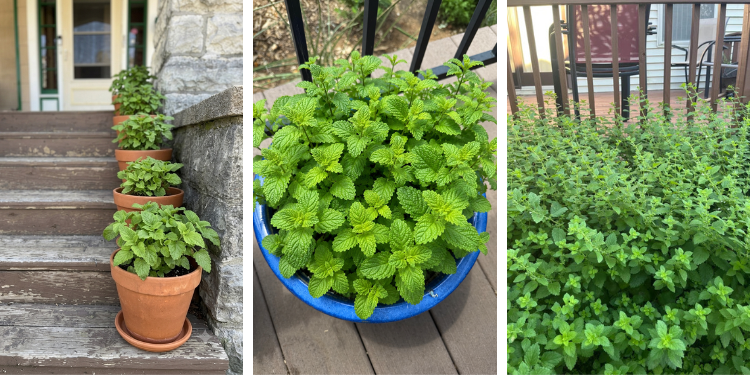
While landscape designers often fill these transition spaces with showy, high-maintenance ornamental flowers, experienced gardeners know that the most valuable plant you can place near your entryway is a humble, green herb: lemon balm.
Known botanically as Melissa officinalis, lemon balm is a hardy, perennial member of the mint family (Lamiaceae).
Unlike its notoriously aggressive cousins, peppermint and spearmint, lemon balm brings an elegant, mounding habit and an absolute treasure trove of practical, everyday benefits.
By strategically positioning this aromatic power plant right next to your porch steps or seating area, you create a living sensory shield that repels pests, sweetens the air, provides an instant harvest for kitchen creations, and builds a mini-oasis of calm.
1. The Chemistry of the Crush: Natural Mosquito Deterrence
The single most practical reason to plant lemon balm within arm’s reach of your porch seating is its remarkable ability to deter unwanted biting insects.
Many commercial bug sprays rely on harsh synthetic chemicals like DEET to mask human scents. Lemon balm achieves a similar objective using entirely natural organic compounds.
The serrated, bright green leaves of lemon balm are rich in volatile essential oils, most notably citronellal, geraniol, and caryophyllene.
These compounds emit a strong, crisp citrus aroma that mimics commercial citronella candles. To a flying mosquito, this intense lemony scent masks the carbon dioxide and lactic acid naturally exhaled by humans.
While simply having the plant nearby provides a mild deterrent effect, the real magic happens when you interact with it.
As you step onto the porch, simply pinch a handful of leaves and crush them between your palms. Rubbing the bruised foliage and its aromatic juices directly onto your arms, ankles, and neck releases these concentrated essential oils, creating a quick, non-toxic, and wonderfully fragrant insect shield.
2. Aromatherapy at Your Doorstep: Stress Relief and Mental Clarity
Porches are designed for relaxation, and lemon balm is genetically wired to help you unwind. For thousands of years, herbalists have classified this plant as a “nervine” – an herb that gently calms and supports the human nervous system.
Modern clinical science backs this up: research shows that inhaling the aroma of lemon balm leaves significantly reduces cortisol levels (the body’s primary stress hormone) while boosting alertness and mood.
By planting lemon balm directly alongside your porch walkway or inside a decorative container next to your favorite rocking chair, you create a tactile aromatherapy station.
Every time your leg brushes against the plant, or a warm summer breeze sweeps across the patio, millions of tiny, microscopic oil glands on the undersides of the leaves rupture, releasing a wave of sweet lemon fragrance into the air.
It acts as an instant sensory cue that tells your brain it is time to leave the stress of the day behind and step into a space of relaxation.
3. A First-Aid Kit and Culinary Asset within Arm’s Reach
Having a thriving lemon balm plant right by your doorway means you have a fast, natural remedy and a versatile culinary ingredient available in seconds.
Instant Relief for Bug Bites and Stings
Despite our best efforts, a rogue mosquito or backyard bee might occasionally find its mark. If you find yourself dealing with an itchy welt while sitting outdoors, you don’t need to run inside for anti-itch creams.
Simply pluck a couple of fresh lemon balm leaves, chew or crush them into a thick paste, and apply it directly to the bite.
Lemon balm contains high levels of rosmarinic acid and tannins, which provide powerful anti-inflammatory, antiviral, and mild numbing properties. The cooling paste instantly takes the sting out of the bite, reduces swelling, and accelerates healing.
The Ultimate Window-to-Cup Tea
Stepping outside to harvest a fresh evening beverage is a true gardening joy. A handful of fresh lemon balm leaves steeped in boiling water for five minutes produces a bright, clean, caffeine-free herbal tea that naturally encourages deep, restful sleep.
In the heat of mid-summer, you can muddle the leaves with fresh strawberries and sugar to create an incredible homemade lemonade booster, or drop a few sprigs directly into a pitcher of iced water for a refreshing backyard treat.
4. Porch Placement and Care Guide
To maximize the benefits of your lemon balm plant, it helps to understand its simple growth preferences. While it is incredibly resilient, a few thoughtful choices regarding lighting, soil, and containment will ensure it remains healthy and beautiful for years.
| Growth Attribute | Ideal Profile | Care Takeaway |
| Sunlight Needs | Part sun to full sun (4 to 6 hours daily) | Tolerates shade, but produces the highest oil content in bright sun |
| Watering Regimen | Moderate; allows top inch of soil to dry | Drought-tolerant once established; dislikes soggy, waterlogged roots |
| Soil Preference | Well-draining, average potting mix | Avoids heavy fertilizers; lean soil actually intensifies leaf flavor |
| Containment | Deep containers or dedicated garden beds | Pots restrict underground runners, keeping the plant tidy and controlled |
5. Planting Your Porchside Lemon Balm Step-by-Step
Setting up your living sensory shield is a straightforward afternoon project. Follow this simple guide to establish a beautiful, long-lasting lemon balm display:
6. Keeping Your Lemon Balm Beautiful Through the Seasons
Once established, lemon balm requires very little ongoing maintenance. However, because it grows quickly during the peak of summer, it responds beautifully to a regular grooming routine.
The Mid-Summer Haircut
By mid-to-late summer, your lemon balm might begin developing upright stalks topped with small, inconspicuous white flowers.
Left unchecked, the plant will redirect its energy away from the leaves to produce seeds, causing the foliage to turn a bit coarse and woody.
To prevent this, simply clip the entire plant back by one-third using a clean pair of garden shears right as the flower buds appear.
This quick trim stimulates a flush of fresh, soft, bright green leaves, keeping the plant bushy, compact, and highly aromatic until the first autumn frost.
Overwintering with Ease
When the cold winds of winter arrive, do not worry if your porch-side lemon balm dies back completely to the ground.
The plant is incredibly cold-hardy (surviving down to USDA Zone 4). Its extensive underground root system enters a natural dormancy phase through the winter months.
If you have it planted in a container, simply move the pot to a sheltered spot against the house or a cold garage, water it sparingly once a month, and watch it burst back to life with vibrant green growth at the very first sign of spring.
Transforming your porch from a simple transition space into an inviting, mosquito-free sensory retreat doesn’t require complex gadgets or chemical sprays.