The entryway to your home does far more than provide access indoors – it sets the tone for your entire living space, speaks volumes about your lifestyle, and crafts the vital first impression experienced by every guest who steps onto your property.
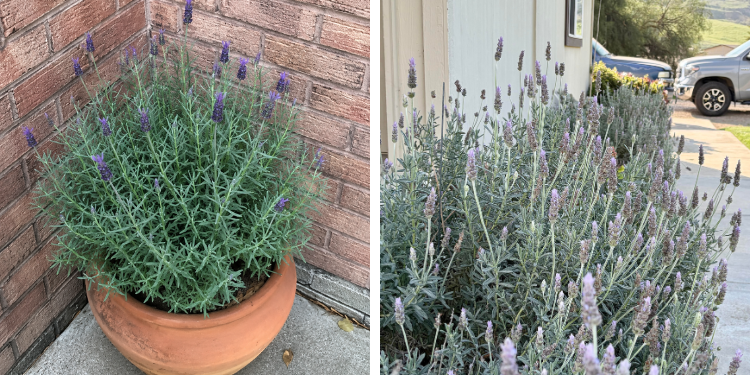
While standard landscaping trends often lean heavily toward rigid boxwood hedges, standard porch hardware, or generic welcome mats, there is a simple, living enhancement that bridges the gap between functional design and sensory luxury: the lavender plant.
Placing a thriving lavender bush directly by your front door is a centuries-old gardening practice that remains incredibly relevant today.
Beyond its obvious visual charm, this hardy Mediterranean herb acts as a multi-functional dynamic gateway.
From providing an immediate aromatic escape that melts away evening stress to serving as an eco-friendly pest repellent and an active hub for local pollinators, a front-door lavender plant is the ultimate multi-purpose landscape addition.
1. The Immediate Stress-Relieving Welcome
The most immediate benefit of anchoring your home’s entryway with lavender is its profound aromatherapy effect.
Lavender contains high concentrations of linalool and linalyl acetate – natural organic compounds widely documented by neuroscientists to lower heart rates, reduce blood pressure, and ease systemic anxiety upon inhalation.
When you plant lavender along your front walkway or place it in a large container right next to the door, you create an interactive sensory experience:
-
The Physical Release: Every time you brush past the plant, open the screen door, or catch a soft afternoon breeze, the friction breaks open the tiny, microscopic oil glands sitting at the base of the purple flower spikes and silvery leaves.
-
The Atmospheric Shift: This action releases a fresh wave of calming essential oils into the air. Coming home from a high-stress workday suddenly includes a transition zone – a literal breath of fresh air that signals your brain it is time to relax.
2. A Natural, Invisible Shield Against Household Pests
While humans find the clean, herbal aroma of lavender incredibly soothing, the insect world feels the exact opposite.
For blood-sucking pests and structural household nuisances, the heavy concentration of essential oils in lavender acts as a powerful, naturally occurring deterrent.
By establishing a robust lavender presence directly at your home’s main entry point, you build an eco-friendly defensive barrier that targets multiple troublesome pests:
-
Mosquitoes and Flies: These insects rely on sensitive olfactory organs to track carbon dioxide and heat signatures. The strong aromatic profile of a front-door lavender plant effectively overrides their tracking systems, discouraging them from hovering around your threshold and slipping indoors when the door opens.
-
Fleas and Ticks: If you have outdoor pets, positioning lavender by the steps helps minimize hitchhiking pests. Ticks and fleas actively avoid the woodier stems and pungent foliage.
-
Mice and Clothes Moths: The intense scent notes that keep your front porch smelling like a high-end spa are naturally offensive to small rodents and destructive moths, providing an extra layer of structural protection.
3. Boosting Your Home’s Curb Appeal and Value
From a pure design perspective, lavender is a structural landscape asset that brings high-end elegance to your entryway.
Its distinct blue-gray, silvery foliage offers a beautiful contrast to the deep green leaves of typical lawn grass and standard foundation shrubs.
Whether your home features modern minimalist architecture, a rustic farmhouse porch, or a classic brick facade, lavender introduces soft texture and an unmistakable splash of sophisticated color.
Because it is a long-lived perennial, investing in a high-quality lavender plant means your front porch will showcase beautiful structural form year after year.
In late spring and throughout the summer, the long, upright flower spikes add height and movement to your entryway layout.
In the dead of winter, the compact, evergreen structure of many hardy varieties ensures your front steps never look barren or welcomingly cold.
| Lavender Type | Height & Growth Habit | Cold Hardiness | Best Structural Placement |
| English Lavender (L. angustifolia) | 1 to 2 feet; compact, tidy mound | Excellent (Zones 5–9) | Walkway borders, low porch pots |
| French Lavender (L. dentata) | 2 to 3 feet; textured, serrated leaves | Mild Climates (Zones 8–11) | Large architectural accent containers |
| Spanish Lavender (L. stoechas) | 1 to 2 feet; distinctive “bunny ear” bracts | Moderate (Zones 7–9) | Sun-baked window boxes, step stairs |
4. An Active Sanctuary for Local Pollinators
Our global pollinator populations face constant habitat challenges, and a front-door lavender plant turns your entryway into a helpful pit stop.
Lavender flowers are packed with sweet, highly accessible nectar that acts as a magnet for honeybees, native bumblebees, and passing butterflies.
Watching colorful butterflies and busy bees dance across the purple blooms right outside your window adds a beautiful sense of life and vitality to your property.
Furthermore, because lavender blooms continuously for weeks on end during the peak of summer, it offers a reliable, steady food supply for these critical insects when other spring-blooming flowers have dried up.
5. Ancient Traditions of Welcome and Good Fortune
Beyond its modern, practical benefits, planting lavender by the entrance of a home is a practice deeply rooted in folklore and history.
For generations across the Mediterranean and across old Europe, growing lavender by the front door was believed to bring good luck, protection, and prosperity to everyone living inside.
It was traditionally extended as a silent sign of warm hospitality to travelers, indicating that the household within was a place of cleanliness, peace, and safety.
Bringing this timeless tradition onto your modern porch links your home to centuries of garden history, infusing your entryway with a deep sense of purpose and care.
How to Set Up Your Front-Door Lavender for Success
Lavender is famously independent and low-maintenance, but it will quickly fail if it is subjected to poor lighting or soggy soil. To ensure your entry plant stays lush, bright, and vibrant, follow this fundamental care routine:
Transforming your front entry from a simple transitional walkway into an inviting, therapeutic escape is as simple as placing a single lavender plant near your door.