When planning an herb garden, most people instinctively reach for the classics: basil, rosemary, thyme, and mint.
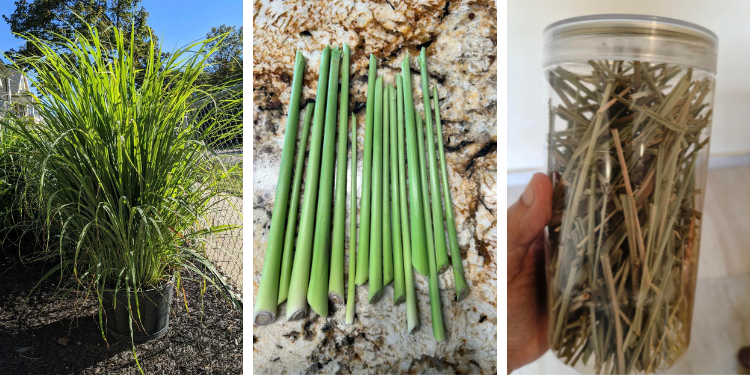
While these are excellent staples, there is a towering tropical standout that frequently gets overlooked by home gardeners: Lemongrass (Cymbopogon citratus).
If you have never grown lemongrass before, you might think of it purely as an exotic ingredient reserved for specialty Asian dishes.
However, this magnificent ornamental grass is one of the most versatile, resilient, and fast-growing plants you can ever introduce to your garden plot or patio containers.
Once you plant a single cluster of lemongrass, it rapidly transforms into a dense fountain of bright green ribbon-like leaves, providing you with a non-stop supply of aromatic material.
It is a striking visual addition to the landscape that pays massive dividends in the kitchen, the medicine cabinet, and the natural home management toolkit.
Here is everything you need to know about why this plant is an absolute must-grow, along with 10 creative ways to use your abundant harvest.
8 Reasons You’ll Absolutely Love Growing Lemongrass
1. Zero-Effort Propagation (You Can Start from the Grocery Store)
You don’t need to hunt down rare seeds or spend top dollar at a high-end plant nursery to get started with lemongrass.
You can propagate this plant using fresh, whole stalks purchased from the produce section of your local Asian market or grocery store. Look for plump, firm stalks that still have a solid, intact base disk at the very bottom.
2. Built-In Natural Mosquito Defense
Lemongrass leaves contain a high concentration of citronellal and geraniol – the exact active essential oils used to manufacture commercial mosquito repellents.
Planting lemongrass in large pots around your patio, deck, or outdoor seating areas creates a beautiful, living perimeter that helps keep annoying flying pests away during warm summer evenings.
3. Rapid Growth and High Yields
Unlike slow-growing woody perennial herbs that take years to mature, lemongrass hits the ground running.
When planted in warm soil with full sun exposure, a single thin stalk will aggressively push out new side-shoots (tillers), forming a massive, dense clump of 30 to 50 thick stalks standing up to 4 feet tall in a single summer season.
4. It’s an Exceptionally Beautiful Landscape Anchor
Beyond its functional uses, lemongrass functions as a top-tier structural accent plant. Its weeping, fountain-like architecture brings soft texture, movement, and a bright chartreuse-green pop to mixed flower beds, providing an elegant backdrop for lower-growing flowering annuals.
5. Highly Drought-Resistant and Heat-Tolerant
As a native of tropical regions, lemongrass treats intense summer heatwaves with absolute ease. While tender leafy herbs like basil and cilantro quickly wilt, scorch, or bolt to seed when temperatures spike, lemongrass thrives, growing faster and producing higher concentrations of its aromatic oils under the blazing sun.
6. Effortless Winter Care and Overwintering
If you live in a northern climate with freezing winters, you don’t have to lose your plant when the season shifts. Lemongrass can easily be dug up, divided, potted into a smaller container, and brought indoors.
It will happily sit on a sunny windowsill through the winter months, ready to be planted back outside the following spring.
7. It Is Virtually Pest and Disease Proof
Thanks to the powerful anti-fungal, antibacterial, and insect-repelling properties naturally present in its foliage, garden pests like aphids, spider mites, and slugs leave lemongrass completely alone.
You will never need to apply synthetic sprays or organic pesticides to keep this plant clean and healthy.
8. The Ultimate Two-in-One Harvest
When you harvest lemongrass, nothing goes to waste. The fat, tender white base of the stalk provides a highly prized culinary paste, while the long, fibrous green blades can be dried or used fresh to create aromatic infusions, teas, and household extracts.
The Grocery-Store Sprouting Sequence: How to Start It
If you want to start your lemongrass journey using fresh store-bought stalks, follow this precise rooting sequence to guarantee a successful transition into the garden:
10 Creative Ways to Use Your Lemongrass Harvest
Once your plant grows into a massive, overflowing green fountain, you will have an abundant supply of material. Here are 10 exceptional ways to put your lemongrass harvest to work:
1. The Classic Soothing Herbal Tea
The simplest way to enjoy your harvest is to snip a handful of the long green blades, rinse them thoroughly, and tie them into a tight knot.
Steep the knot in boiling water for 10 minutes to create a crisp, refreshing, caffeine-free herbal tea with a bright citrus flavor and subtle notes of ginger.
2. A Pure Aromatic Culinary Base
The tender, pale pink and white inner core of the lower bulb is the star of Southeast Asian cuisine. Slice the bottom 3 inches of the stalk very thinly, then smash or grind it into a fine paste.
Use this paste as an aromatic base for authentic curries, marinades, stir-fries, and soups like Tom Yum.
3. Natural Essential Oil Insect Spray
Simmer two cups of chopped green lemongrass blades in a cup of water for 20 minutes under a tight lid to create a highly concentrated liquid extraction.
Strain the golden liquid into a spray bottle and mix it with equal parts witch hazel or rubbing alcohol to create a completely natural, chemical-free personal bug spray.
4. A Clarifying, Pore-Tightening Facial Steam
Bring a pot of water to a rolling boil, drop in 5 chopped lemongrass stalks, and remove it from the heat source.
Place a towel completely over your head, lean over the pot, and let the aromatic steam wash over your face for 5 to 10 minutes. The natural properties of the plant help deep-clean pores and clarify oily skin.
5. A Soothing, Aromatic Bath Soak
Chop fresh lemongrass blades into small pieces and pack them tightly into a small muslin or breathable cloth bag. Toss the bag directly into a hot running bath.
As you soak, the warm water releases the plant’s volatile essential oils, creating a deeply relaxing spa experience that eases muscle tension.
6. Homemade All-Purpose Vinegar Cleaner
Fill a large mason jar halfway with chopped lemongrass stalks and blades, then fill the rest of the jar to the brim with plain white cleaning vinegar.
Seal the lid and let it sit in a dark cupboard for 3 to 4 weeks. Strain out the spent plant material to leave a powerful, degreasing all-purpose household cleaner that smells wonderfully fresh instead of like harsh chemicals.
7. Fragrant Culinary Skewers for the Grill
Instead of using plain bamboo or metal skewers for your summer barbecues, use whole, sturdy lemongrass stalks.
Use a metal skewer to poke a guide hole through pieces of chicken, shrimp, pork, or tofu, then slide them directly onto the firm lemongrass stalk.
As the skewers grill over hot coals, the steam infuses the protein from the inside out with a spectacular citrus aroma.
8. Infused Wellness Honey
Chop three fresh stalks into small chunks and bruise them heavily with the flat side of a chef’s knife to release their oils.
Place the pieces into a clean jar and pour warm, raw honey over them. Seal the jar and let it infuse on your counter for two weeks before straining out the bits. Use this bright, citrus-tinted honey to sweeten morning teas or soothe a scratchy throat.
9. Natural Aromatherapy Carpet Deodorizer
Dry a large bundle of green lemongrass blades completely until they are crisp, then grind them down into a fine green powder using a high-powered blender or clean coffee grinder.
Mix this aromatic powder with equal parts baking soda. Shake the mixture over your rugs, let it sit for 20 to 30 minutes to absorb odors, and vacuum it up to leave your home smelling incredibly clean.
10. A Flavor-Boosting Rice Infusion
You can easily elevate a simple pot of plain white jasmine or basmati rice by adding lemongrass. Take a 4-inch piece of the lower stalk, bruise it heavily with a meat mallet or the back of a heavy knife to open the oil channels, and drop it directly into the cooking liquid with your dry rice.
Remove the woody stalk right before serving for perfectly scented, restaurant-quality rice.
Quick Harvest Guide: The “Snap and Pull” Method
When you are ready to collect your stalks, do not simply cut them off mid-way down the plant with shears. Cutting them off high up leaves an ugly, blunt stub that can gather water and cause fungal rot inside the center of the crown.
Instead, reach deep down into the very base of the clump, right at the soil level. Grasp the targeted outer stalk firmly between your fingers, twist it sharply to the side, and pull down and outward away from the main plant.
The stalk will cleanly snap away from the central root plate, leaving the rest of the plant’s architecture perfectly intact and ready to continue pushing out fresh new growth.
By growing this single, low-maintenance tropical grass, you gain a beautiful landscape companion that elevates your cooking, simplifies your cleaning, and naturally protects your patio all summer long.