By the time July rolls around, many gardeners assume the planting window for the year has officially slammed shut.
Your spring-planted annuals might be looking a little tired from the intense mid-summer heat, and certain patches of soil may have emptied out entirely as early-season crops like radishes, spinach, or snap peas finish their lifecycles.
But wrapping up your planting routines now means missing out on one of the most spectacular phases of the gardening year: the autumn grand finale.
Planting in July offers a distinct botanical advantage. The soil temperature is at its absolute peak, acting as a natural incubator that triggers rapid seed germination and explosive root growth.
While spring plantings can sometimes lag due to chilly mud and unpredictable cold snaps, mid-summer plantings hit the ground running.
By selecting exceptionally fast-maturing annuals or tough, heat-tolerant perennials, you can easily secure a secondary wave of fresh, vibrant color.
These 12 rugged flowers can be planted right now to keep your garden beds, containers, and cutting vases bursting with life until the first heavy frost of autumn arrives.
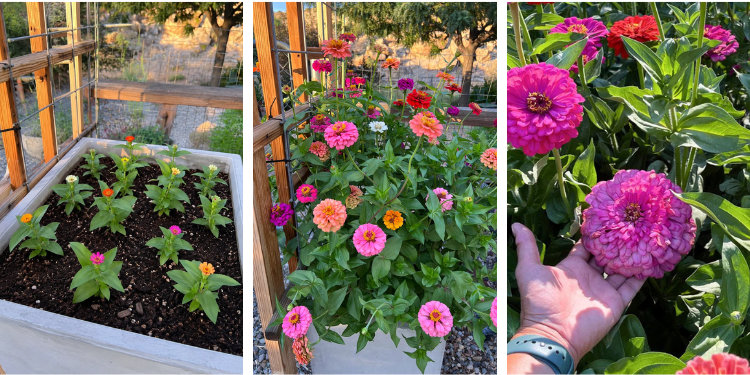
1. Zinnias (Zinnia elegans)
If there is a undisputed king of late-season recovery, it is the zinnia. These heat-loving annuals thrive in summer conditions that cause other flowers to wilt.
When directly seeded into warm July soil, zinnia seeds will often germinate in as little as 3 to 4 days, outpacing their spring-sown counterparts by weeks.
-
Why It Works: Fast-growing varieties like the ‘Benary’s Giant’ series or ‘Cut and Come Again’ go from seed to open bloom in roughly 50 to 60 days. This means a July planting yields a massive flush of fresh, unblemished flower heads by early September, just as older spring-planted zinnias start succumbing to powdery mildew.
-
Success Secret: Sow seeds directly into the ground rather than transplanting, and space them at least 10 inches apart to maximize air circulation through the foliage during damp late-summer nights.
2. French Marigolds (Tagetes patula)
While large African marigolds need a long runway to mature, compact French marigolds are exceptionally fast performers.
Garden centers in July are usually packed with deeply discounted flats of these sturdy little annuals, often looking a bit rootbound but ready to explode if given fresh soil.
-
Why It Works: French marigolds naturally push out a high volume of single or double bicolored blooms in rich shades of mahogany, copper, gold, and crimson. They are incredibly frost-tolerant for an annual, easily surviving light autumn frosts and blooming beautifully all the way into November.
-
Success Secret: If buying discounted nursery flats, aggressively pinch off any existing open flowers or seed heads at planting time. This forces the root system to adapt to its new home first, leading to a much thicker mound of foliage and double the flowers later on.
3. Cosmos (Cosmos bipinnatus)
Cosmos are famous for their airy, daisy-like blossoms and delicate, fern-like green foliage. They are highly efficient at managing moisture, making them an excellent choice for an open, sun-baked July garden bed.
-
Why It Works: Cosmos are “photoperiod sensitive” plants, meaning their flowering mechanism is triggered by shortening day lengths. When you plant them in July as the days naturally begin to shorten, they will grow shorter and more compact than spring-sown varieties, rushing into bloom much faster to put on a spectacular autumn show.
-
Success Secret: Plant them in poor to average soil. Avoid rich fertilizers, which will cause the cosmos to produce massive amounts of lush green leaves but very few actual flowers.
4. Calendula (Calendula officinalis)
Also known as Pot Marigold, calendula is a cool-season workhorse masquerading as a summer flower. While it often stalls or languishes during the peak heat of June and July, sowing it right now gives it the perfect launchpad.
-
Why It Works: Calendula seeds germinate rapidly in warm soil, building up a sturdy rosette of leaves just as the intense summer heat begins to wane. It is one of the most frost-hardy annuals available, comfortably surviving ambient temperatures down to 25°F (-4°C) while keeping its bright orange and yellow petals completely intact.
-
Success Secret: Keep the soil consistently damp for the first two weeks after sowing to protect the delicate sprouts from baking under the July sun.
5. Nasturtiums (Tropaeolum majus)
Nasturtiums are prized for their unique, lily-pad-like circular leaves and bright, trumpet-shaped flowers in shades of apricot, cream, and deep burgundy.
The entire plant – leaves, flowers, and seeds – is entirely edible, offering a crisp, peppery flavor similar to watercress.
-
Why It Works: Nasturtiums despise cold spring mud but absolutely love warm summer earth. Sowing their large, easy-to-handle seeds in July results in a rapid explosion of trailing or mounding vines that fill empty garden gaps within a matter of weeks, continuing to flower until a hard freeze hits.
-
Success Secret: Soak the hard, pea-sized seeds in warm water overnight before planting to soften the outer hull, accelerating germination down to just a few days.
6. Sunflowers (Helianthus annuus)
When most people think of sunflowers, they picture towering, single-stem giants that require 90 to 100 days to mature.
However, the world of branching and dwarf sunflowers offers highly accelerated timelines that are tailor-made for a July planting project.
-
Why It Works: Quick-blooming dwarf cultivars like ‘Autumn Beauty’, ‘Teddy Bear’, or ‘Soraya’ go from seed to open bloom in just 50 to 60 days. Planting them in July ensures a spectacular display of autumnal golds and chocolate browns that perfectly match the shifting colors of the changing season.
-
Success Secret: Look specifically for “day-neutral” or pollen-free branching varieties on seed packets, as they tend to push out multiple waves of smaller side-blooms over a much longer period than single-stem varieties.
7. Sweet Alyssum (Lobularia maritima)
Sweet Alyssum forms a dense, low-growing carpet completely blanketed in hundreds of tiny, four-petaled flowers that release an intense, honey-like fragrance.
It is an exceptional choice for cascading over the edges of patio pots, window boxes, or raised garden beds.
-
Why It Works: Alyssum is incredibly cold-tolerant. While a harsh October frost will melt tender tropical annuals like petunias or impatiens, sweet alyssum will survive the drop, continuing to feed late-season pollinators with sweet nectar long after surrounding plants have died back.
-
Success Secret: Because alyssum seeds are microscopic and require light to germinate, press them gently onto the surface of the soil rather than burying them, and keep the area fine-misted until sprouts appear.
8. Celosia (Celosia argentea)
Whether you prefer the soft, feathery plumes of Plumosa varieties or the fascinating, velvet folds of the brain-like Cristata types, celosia brings unmatched texture and electric color (vivid magentas, neon yellows, and deep oranges) to the late-summer landscape.
-
Why It Works: Celosia belongs to the amaranth family and is structurally built to withstand intense heat and dry spells. Purchasing mid-sized starter plants from the nursery clearance racks in July gives you an instant hit of structural color that holds its vivid shape perfectly all the way to frost.
-
Success Secret: Ensure your planting site has exceptional drainage; celosia will quickly rot at the base if forced to sit in heavy, stagnant clay water during late-summer rainstorms.
9. Bachelor’s Buttons / Cornflower (Centaurea cyanus)
Cornflowers are historic cottage garden staples famous for producing intense, true-blue ruffled blossoms that are highly attractive to native sweat bees and honeybees.
-
Why It Works: Like calendula, cornflowers are tough cool-weather annuals that germinate with astonishing speed in warm July soil. They will rapidly grow into sturdy, upright clumps that start flowering heavily by late August, standing up beautifully to chilly autumn mornings.
-
Success Secret: Deadhead the faded blue flowers regularly by cutting the stem back to a leaf node. This prevents the plant from setting seed early, locking it into a continuous blooming cycle.
10. Blanket Flower (Gaillardia x grandiflora)
For those looking to add permanent, perennial value to their garden beds in July, Blanket Flower is a top-tier candidate.
Native to the western prairies, its concentric rings of fire-engine red, burnt orange, and bright golden tips mimic the vibrant patterns of traditional native blankets.
-
Why It Works: Gaillardia treats mid-summer heatwaves like a walk in the park. Purchasing a mature, container-grown plant in July allows its deep, drought-proof roots to establish a permanent anchor in the warm earth. It will provide immediate color for the rest of this season while ensuring an even bigger show next spring.
-
Success Secret: Plant it in your absolute poorest, sandiest, or rockiest soil. Avoid adding rich compost to the hole, as fertile soil shortens its overall lifespan.
11. Pansies and Violas (Viola x wittrockiana)
Most gardeners view pansies as strictly a spring luxury, but commercial growers sow their autumn pansy crops in mid-summer.
-
Why It Works: Planting young viola or pansy starts in late July gives them a chance to establish a robust, extensive root system while the soil is warm. As the cool nights of September and October arrive, these plants will launch into an incredible blooming cycle that easily survives multiple hard freezes, often staying green and blooming right through winter snowfalls.
-
Success Secret: Plant them in a location that receives light afternoon shade to shield the young plants from the harsh, burning July sun while they establish their roots.
12. Ornamental Peppers (Capsicum annuum)
While technically a vegetable, ornamental peppers are grown primarily for their stunning visual impact.
They produce dense clusters of small, glossy peppers that constantly shift color – moving from bright neon purple to cream, orange, and finally a rich, fiery red as they mature.
-
Why It Works: These plants love summer heat and hold their colorful fruits like bright jewels on stiff, upright stems. The peppers are incredibly durable, resisting wind and rain damage, and providing non-stop color right up until a hard freeze blackens the foliage.
-
Success Secret: Pair them in containers with sweet alyssum or trailing nasturtiums to create a gorgeous, contrast-rich autumn patio arrangement.
The Mid-Summer Planting Sequence: 3 Rules for Survival
To ensure your July-planted seeds and nursery starts survive the initial transition without frying under the intense summer sun, you must adjust your traditional spring planting methods. Follow this precise care sequence for guaranteed success:
By taking advantage of the high germination speeds offered by warm summer soils and utilizing discounted nursery stock, you can easily outsmart the calendar.