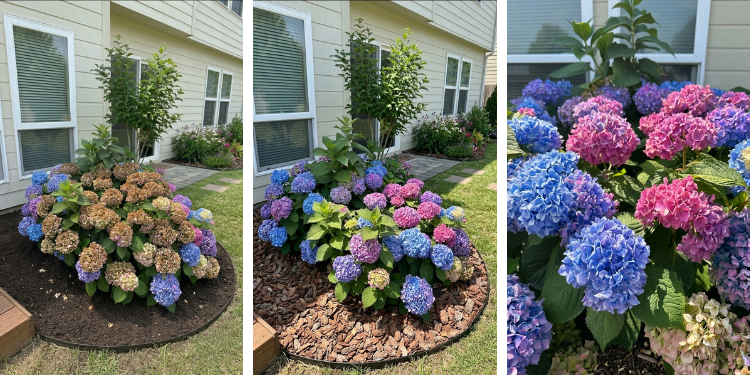
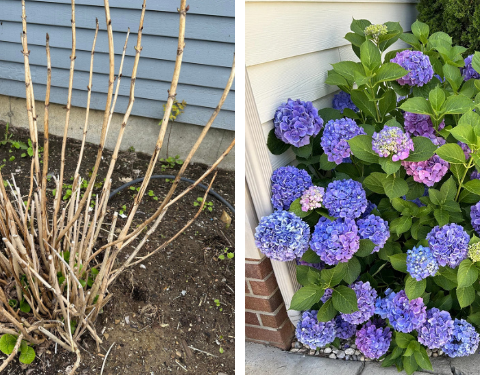
For many gardeners, hydrangeas are the crown jewel of the summer landscape.
Whether you grow the classic mopheads (Hydrangea macrophylla), the dramatic panicles (Hydrangea paniculata), or the reliable smooth varieties like ‘Annabelle’ (Hydrangea arborescens), their massive, pillow-like flower heads provide unmatched color and structure.
However, few garden sights are as disappointing as watching a highly anticipated, vibrant blue, pink, or white hydrangea bloom prematurely shrivel, turn a crispy paper-bag brown, and droop long before the summer has drawn to a close.
While all hydrangea flowers eventually age into muted, vintage shades of antiqued green and tan as autumn approaches, premature browning is a distinct distress signal.
It is an indication that the plant’s delicate vascular system has been compromised by environmental stress, cultural mistakes, or disease.
Understanding exactly why these spectacular blooms dry out too soon is the first step toward safeguarding your display.
Here are the primary culprits behind premature hydrangea browning, alongside actionable strategies to keep your bushes lush and vibrant all season long.
The Image of premature browning vs natural aging
It is vital to distinguish between a plant that is suffering and one that is simply completing its natural cycle.
When a hydrangea blossom ages naturally over a period of weeks, the color transition is slow and uniform, often giving way to beautiful dusty rose, lime green, or soft burgundy tones.
Premature browning, by contrast, hits like an aggressive burn – edges scorch rapidly, petals shrivel overnight, and the entire flower head takes on a scorched, brittle texture while the rest of the plant may still be trying to grow.
1. Intense Heat Stress and Scorching Sun
By far the most common cause of early browning is a poor match between the plant’s location and its sun exposure.
The name Hydrangea comes from the Greek words hydor (water) and angion (vessel), translating literally to “water vessel.”
These plants possess a massive surface area of broad, thin leaves and heavy petal structures that evaporate moisture at an astonishing rate.
-
The Big Leaf Problem: Bigleaf hydrangeas (H. macrophylla), which produce the famous pink and blue blooms, evolved as understory woodland plants. When subjected to intense, unfiltered afternoon sun – especially in mid-summer – the rate of moisture evaporation from the petals far exceeds the rate at which the root system can drink.
-
The Result: The plant sacrifices its blooms first to save its core structure. The delicate petal edges dry out, scorch, and turn crispy brown within a matter of days.
2. Inconsistent and Shallow Watering Habits
Watering a hydrangea requires a delicate balance. It is not just about how much water you give the plant, but how you deliver it.
-
The Surface Water Trap: Giving your hydrangea a quick, daily 30-second spray with a garden hose feels helpful, but it actually harms the plant. Shallow watering only wets the top inch of soil. This encourages the hydrangea to develop a weak, shallow root system that sits right near the hot surface of the earth. When a heatwave strikes, these shallow roots bake, causing the entire plant to wilt violently and the flowers to abort and brown.
-
The Drought Flash: If a hydrangea is allowed to dry out completely to the point of severe, floppy wilting multiple times, the vascular tissue supplying the flower heads becomes permanently damaged. Even after you deeply water the plant and the leaves bounce back, the flower petals will often remain scorched and brown.
3. The Danger of Overhead Irrigation
If you are watering your hydrangeas using an automated lawn sprinkler system that sprays water directly over the top of the bushes, you are setting your blooms up for premature failure.
-
The Sun Magnification Effect: Water droplets sitting on delicate flower petals can act as tiny magnifying glasses under intense morning sun, physically burning the tissue.
-
The Fungal Pathway: More importantly, constant overhead moisture creates a stagnant, high-humidity microclimate within the dense flower heads. This is the perfect breeding ground for fungal pathogens like Botrytis blight (gray mold). This fungus attacks the petals, causing them to develop water-soaked tan spots that rapidly expand until the entire bloom turns into a rotting, fuzzy brown mass.
4. Late Spring Frost Damage
Sometimes, the fate of your summer hydrangea blooms is sealed before the flowers even open. Bigleaf and oakleaf (Hydrangea quercifolia) hydrangeas bloom on “old wood” – meaning they form their flower buds for the following year during the previous autumn. These tender buds spend the winter resting on the stems.
-
The Hidden Burn: If your area experiences an unseasonably warm spell in early spring, the plant will begin waking up, and the tightly wrapped green flower buds will swell. If a sudden, sharp late-spring frost hits after this awakening, the freezing temperatures will bite the interior of the bud.
-
The Delayed Reaction: The damage may not be immediately visible on the green leaves, but as summer arrives and the flower attempts to open, it will emerge already deformed, stunned, and completely brown at the core.
5. Over-Fertilization and Nutrient Burn
In an effort to coax out the largest possible blooms, well-meaning gardeners often overindulge their hydrangeas with aggressive synthetic fertilizers.
-
Salt Accumulation: Synthetic chemical fertilizers are packed with mineral salts. When applied in excessive amounts, or during periods of dry weather, these salts accumulate in the soil and draw moisture away from the plant’s roots – a phenomenon known as “root burn.”
-
The Structural Collapse: Deprived of moisture at the source, the plant cannot push water all the way up its long stems to the heavy flower heads. The tips of the leaves will turn black or brown, and the flower petals will dry out and die prematurely from the inside out.
The Preventative Sequence: Safeguarding Your Blooms
Preventing premature browning requires a proactive strategy that addresses the plant’s physical environment and root health. Follow this practical care sequence to protect your hydrangea display from summer scorch:
Emergency Summer First Aid: What to Do If Browning Occurs
If mid-summer has arrived and a few of your hydrangea flower heads have already turned completely brown and crispy, you cannot reverse the damage to those specific petals.
However, you can take immediate action to save the rest of the plant and encourage a cleaner presentation.
Do not leave a fully dead, rotting brown flower head on the bush, especially during a rainy summer. Use a sharp, sanitized pair of bypass pruners to snip the dead flower stem off, making your cut roughly 1/4 inch above the first set of healthy green leaves.
This simple act immediately stops the spread of opportunistic fungal spores like Botrytis to neighboring blooms. Furthermore, it allows the plant to redirect its valuable water and nutrient resources away from the dead structure and toward maintaining the health of its remaining green foliage and root system.
By understanding the delicate relationship between a hydrangea’s roots and its massive, water-loving flower heads, you can easily alter your gardening habits to mitigate stress.
Providing strategic afternoon shade, deep root-level watering, and a thick protective blanket of mulch ensures your hydrangeas remain a breathtaking, head-turning feature of your landscape all summer long.