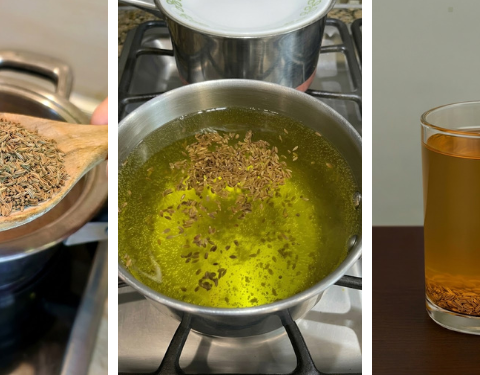
Cloves have been prized for centuries in traditional wellness practices, culinary traditions, and natural household remedies.
These small dried flower buds from the clove tree (Syzygium aromaticum) may look modest, but they contain an impressive concentration of beneficial plant compounds.
The most notable of these compounds is eugenol, which makes up approximately 70–90% of clove essential oil.
Eugenol has attracted significant scientific interest because of its antioxidant, antimicrobial, antifungal, and antiparasitic properties.
Laboratory studies have shown that eugenol can affect various microorganisms and parasites, which helps explain why cloves have been valued in traditional medicine systems for generations.
While pure clove essential oil is highly concentrated, many people prefer making a gentler infused clove oil at home.
This homemade version can be used for a variety of household and personal care purposes while being much milder than distilled essential oil.
Here’s how to make clove oil at home and ten popular ways people use it.
Why Cloves Are So Powerful
Cloves contain a variety of natural compounds, including:
- Eugenol
- Beta-caryophyllene
- Flavonoids
- Tannins
- Phenolic compounds
These substances contribute to cloves’ distinctive aroma and biological activity.
Researchers have studied eugenol for its potential ability to:
- Support oral health
- Act as an antioxidant
- Inhibit certain microbes
- Support digestive wellness
- Provide temporary soothing effects
Because cloves are highly concentrated, even small amounts contain significant levels of beneficial plant compounds.
How to Make Clove Oil at Home
Homemade clove oil is simple to prepare and requires only a few ingredients.
Ingredients
- 2 tablespoons whole cloves
- 1 cup carrier oil (olive oil, coconut oil, almond oil, or jojoba oil)
- Glass jar with lid
- Fine strainer or cheesecloth
Instructions
Lightly crush the cloves using a mortar and pestle or the back of a spoon. Crushing helps release more of the beneficial compounds.
Place the cloves into a clean glass jar.
Pour the carrier oil over the cloves until completely submerged.
Seal the jar and place it in a warm location out of direct sunlight for two to three weeks.
Shake the jar gently every day to encourage infusion.
After the infusion period, strain the oil through a cheesecloth or fine mesh strainer.
Store the finished oil in a dark glass bottle away from heat and sunlight.
Properly stored, homemade clove oil may remain usable for several months.
1. Supporting Oral Health
One of the most common uses of clove oil is in oral care.
For centuries, people have used cloves to support healthy teeth and gums. Eugenol’s soothing properties have made it a traditional remedy for temporary tooth discomfort.
Some people apply a very small amount of diluted clove oil near irritated gums or use clove-infused oil as part of homemade oral care routines.
Many commercial toothpastes and mouthwashes also include clove extracts because of their refreshing and cleansing properties.
2. Freshening Breath Naturally
Cloves possess a strong, pleasant aroma that helps freshen the mouth.
Many cultures traditionally chewed whole cloves after meals to maintain fresher breath.
Homemade clove oil may be added to natural mouth rinse recipes or used in diluted form to support oral freshness.
The warm, spicy scent can linger for hours.
3. Supporting a Healthy Scalp
Clove oil has become increasingly popular in natural hair care routines.
When diluted properly, some individuals massage clove-infused oil into the scalp to support a healthy scalp environment.
Its warming sensation may help improve comfort during scalp massages while adding shine to hair.
Many homemade hair oils combine clove with:
- Rosemary
- Lavender
- Castor oil
- Coconut oil
for a nourishing treatment.
4. Helping Soothe Tired Muscles
Because clove oil produces a warming sensation on the skin, it is frequently included in massage blends.
After physical activity, many people enjoy massaging diluted clove oil into:
- Legs
- Shoulders
- Back
- Neck
The warming effect often creates a soothing sensation that promotes relaxation.
Always dilute before applying to the skin.
5. Supporting Healthy Skin
Clove oil contains antioxidants that may help protect skin from environmental stressors.
When properly diluted, some people include it in homemade skincare products.
Because clove oil is potent, only very small amounts should be used.
Many users combine it with:
- Jojoba oil
- Rosehip oil
- Sweet almond oil
to create nourishing facial or body oils.
6. Natural Household Freshener
The rich aroma of cloves makes them excellent for freshening indoor spaces.
A few drops of homemade clove oil can be added to:
- Homemade sprays
- Diffusers
- Potpourri
- Cleaning solutions
The warm scent is especially popular during autumn and winter months.
7. Supporting Digestive Comfort
Cloves have a long history of traditional use for digestive wellness.
Although clove oil should not be consumed without professional guidance, the aroma itself is often enjoyed after meals.
Many people find the scent comforting and warming, particularly during periods of digestive discomfort.
This traditional use has contributed to cloves’ popularity in herbal wellness practices around the world.
8. Natural Insect Repellent
The strong scent of cloves is disliked by many insects.
Homemade clove oil can be used in DIY sprays around outdoor seating areas, patios, and gardens.
Many natural insect-repellent blends combine clove oil with:
- Peppermint oil
- Lemongrass oil
- Citronella oil
- Eucalyptus oil
for a broader aromatic effect.
9. Supporting Nail and Foot Care
Clove oil’s cleansing properties make it a popular addition to foot soaks and nail care routines.
Some people add a few drops of diluted clove oil to warm water foot baths for a refreshing experience.
The warming aroma creates a spa-like atmosphere while helping feet feel refreshed after a long day.
10. Aromatherapy for Relaxation
Perhaps the simplest use of clove oil is aromatherapy.
Its rich, spicy fragrance is often associated with:
- Warmth
- Comfort
- Relaxation
- Seasonal wellness
Many people diffuse clove oil during colder months or combine it with orange, cinnamon, and vanilla for a comforting atmosphere throughout the home.
The scent often creates a cozy environment that encourages relaxation and mindfulness.
Why Clove Oil Is Popular in Traditional Wellness
Throughout history, cloves have been valued in traditional systems because of their versatility.
They have been used to:
- Support oral care
- Promote digestive comfort
- Freshen indoor spaces
- Enhance massage blends
- Support general wellness routines
Modern research continues exploring many of the properties associated with eugenol and other compounds found in cloves.
Important Safety Guidelines
Clove oil is extremely potent and should always be used carefully.
Never apply pure essential clove oil directly to large areas of skin.
Always:
- Dilute before topical use
- Perform a patch test
- Avoid contact with eyes
- Keep away from children
Individuals who are pregnant, nursing, or taking medications should consult a healthcare professional before using concentrated essential oils.
Clove oil remains one of the most versatile botanical oils available today. Rich in eugenol and other beneficial plant compounds, it has earned a place in traditional wellness practices around the world.
From supporting oral care and scalp health to freshening the home and enhancing massage blends, clove oil offers numerous practical applications.