A successful garden starts with choosing plants that are easy to grow and require minimal maintenance.
However, many low-maintenance plants can also become invasive, spreading uncontrollably and threatening native plant species.
Instead of opting for these problematic plants, consider native alternatives that offer similar beauty and function without disrupting the ecosystem.
Below is a list of invasive plants that you should avoid in your garden, along with recommended native alternatives that provide similar aesthetics and benefits.
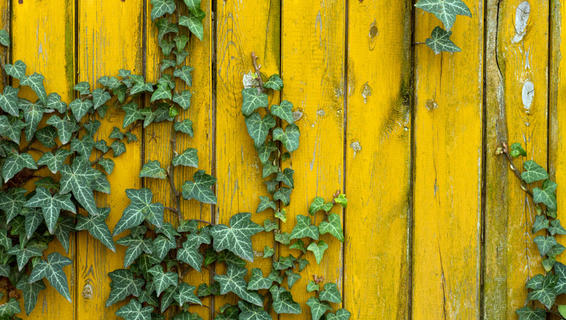
1. English Ivy (Hedera helix)
Why Avoid It?
English Ivy spreads aggressively, climbing and smothering trees, structures, and garden beds. It can quickly overtake native vegetation, leading to soil erosion and loss of biodiversity.
Native Alternative:
- Virginia Creeper (Parthenocissus quinquefolia) – Provides the same lush green coverage but does not damage trees or structures as aggressively.
- Wild Ginger (Asarum canadense) – A great ground cover that suppresses weeds without being invasive.
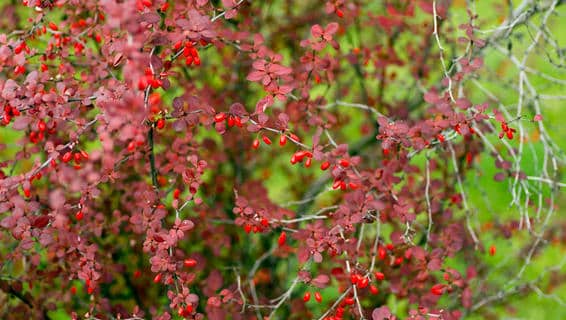
2. Japanese Barberry (Berberis thunbergii)
Why Avoid It?
This thorny shrub outcompetes native plants and provides hiding spots for ticks, increasing the risk of Lyme disease.
Native Alternative:
- Ninebark (Physocarpus opulifolius) – Offers beautiful foliage and supports native wildlife.
- New Jersey Tea (Ceanothus americanus) – A hardy, pollinator-friendly shrub.
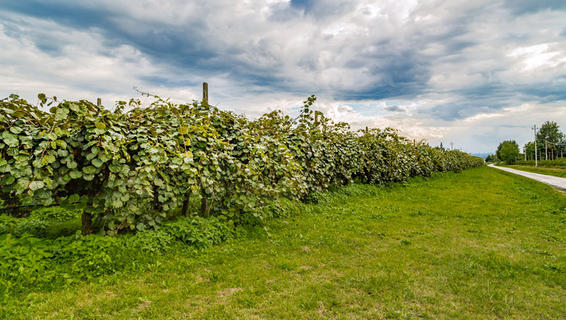
3. Hardy Kiwi (Actinidia arguta)
Why Avoid It?
Hardy kiwi vines grow rapidly, strangling nearby trees and structures, making them difficult to control once established.
Native Alternative:
- American Groundnut (Apios americana) – A climbing vine with edible tubers and attractive flowers.
- Passionflower (Passiflora incarnata) – Provides stunning blooms and food for pollinators.
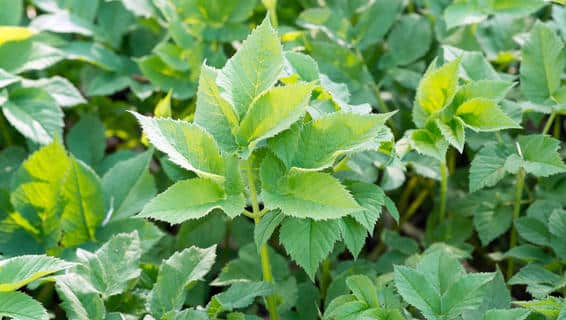
4. Goutweed (Aegopodium podagraria)
Why Avoid It?
Once planted, goutweed spreads aggressively via underground rhizomes, making removal nearly impossible.
Native Alternative:
- Golden Ragwort (Packera aurea) – A beautiful, non-invasive ground cover with yellow flowers.
- Wild Ginger (Asarum canadense) – A shade-loving ground cover with fragrant leaves.
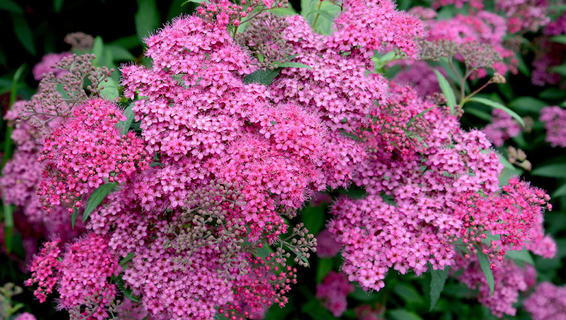
5. Japanese Spirea (Spiraea japonica)
Why Avoid It?
Although visually appealing, Japanese Spirea spreads rapidly, displacing native plants and altering habitats.
Native Alternative:
- Meadowsweet (Spiraea alba) – Offers similar pink flowers while supporting local wildlife.
- Smooth Hydrangea (Hydrangea arborescens) – A flowering shrub with year-round interest.
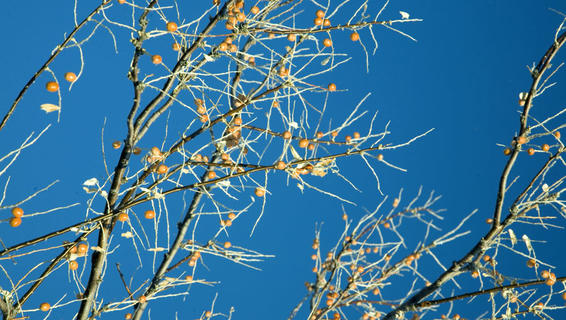
6. Russian Olive (Elaeagnus angustifolia)
Why Avoid It?
Russian Olive’s berries are nutrient-poor and do not support local bird populations effectively. The shrub also spreads uncontrollably.
Native Alternative:
- Serviceberry (Amelanchier spp.) – Provides nutritious berries for birds and stunning spring flowers.
- Red Osier Dogwood (Cornus sericea) – Offers winter interest and supports pollinators.
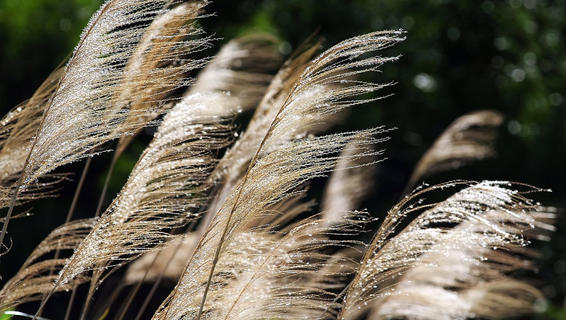
7. Chinese Silver Grass (Miscanthus sinensis)
Why Avoid It?
Chinese Silver Grass is highly flammable and can overtake natural grasslands.
Native Alternative:
- Switchgrass (Panicum virgatum) – A native, ornamental grass that is drought-tolerant and supports wildlife.
- Little Bluestem (Schizachyrium scoparium) – A beautiful, non-invasive grass perfect for landscaping.
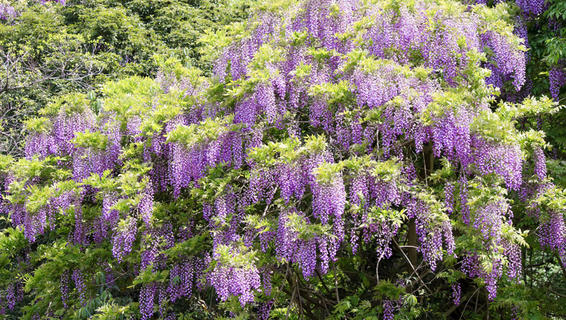
8. Wisteria (Wisteria sinensis & Wisteria floribunda)
Why Avoid It?
While gorgeous, invasive wisteria strangles trees and structures, spreading rapidly.
Native Alternative:
- American Wisteria (Wisteria frutescens) – Has the same beautiful cascading flowers but is non-invasive.
- Trumpet Vine (Campsis radicans) – A vibrant, fast-growing vine that attracts hummingbirds.
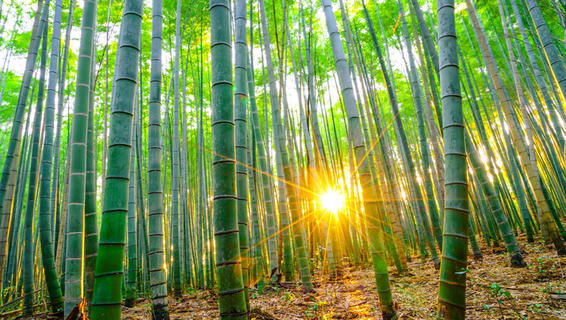
9. Bamboo (Phyllostachys spp.)
Why Avoid It?
Many bamboo species spread aggressively, making them nearly impossible to remove once established.
Native Alternative:
- River Cane (Arundinaria gigantea) – A native bamboo-like plant that provides erosion control without spreading aggressively.
- Inkberry Holly (Ilex glabra) – Offers dense foliage for privacy and attracts birds.
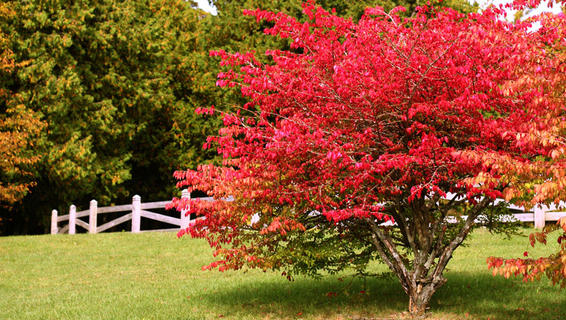
10. Burning Bush (Euonymus alatus)
Why Avoid It?
Burning Bush forms dense thickets, crowding out native species and reducing biodiversity.
Native Alternative:
- Highbush Blueberry (Vaccinium corymbosum) – Provides stunning fall color and delicious berries.
- Virginia Sweetspire (Itea virginica) – Offers vibrant red foliage and supports pollinators.
Choosing the right plants for your garden is essential to maintaining a healthy, balanced ecosystem. While invasive plants may be attractive, they often cause long-term problems for local habitats.
Opting for native alternatives ensures that your garden remains beautiful, sustainable, and beneficial to wildlife.