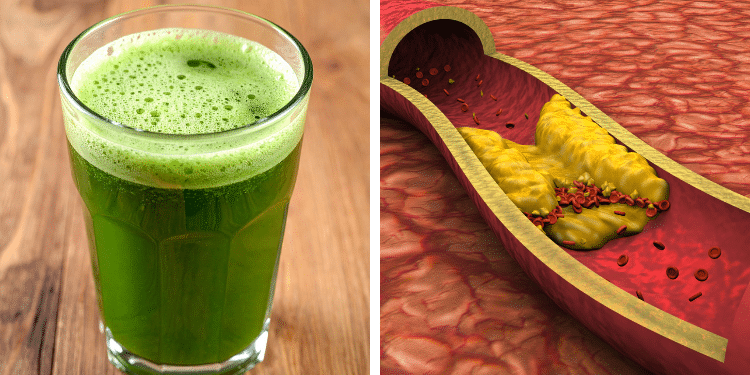
In the evolving landscape of functional foods and natural cardio-protective remedies, a simple herbal pairing is generating substantial interest across wellness communities: The Coriander and Lime Infusion.
While exotic supplements often dominate modern health headlines, biomedical researchers are increasingly focusing on how everyday kitchen staples interact with vascular biology.
Coriander (Coriandrum sativum), commonly known as cilantro in its fresh leafy form, has a long history of use in traditional systems of medicine to manage lipid profiles and support metabolic health.
When combined with the citric acid and high antioxidant volume of fresh lime juice, this bright green beverage acts as a highly bioavailable, supportive tool for systemic circulation.
The Vascular Chemistry: How Coriander and Lime Support Arteries
Arterial health is heavily dictated by two primary factors: the oxidative management of circulating lipids and the flexibility of the vascular endothelial lining. The synergy between coriander and lime targets both mechanisms through distinct molecular pathways:
1. Regulation of Cholesterol Synthesis
The seeds and leaves of the coriander plant are rich in active volatile oils, primarily linalool, coriandrin, and polyphenols.
Clinical models suggest that these specific plant compounds support the liver’s natural lipid metabolism.
Specifically, coriander helps optimize cholesterol profiles by supporting the mechanisms that clear low-density lipoprotein (LDL or “bad” cholesterol) from the bloodstream, while helping to maintain high-density lipoprotein (HDL or “good” cholesterol) levels already within a normal range.
2. Inhibition of Lipid Peroxidation
Cholesterol itself isn’t the primary driver of arterial plaque formation; the danger spikes when LDL cholesterol becomes oxidized by free radicals circulating in the bloodstream.
Oxidized LDL irritates the delicate inner lining of the arteries, triggering an inflammatory cascade.
Coriander contains a dense array of antioxidants, including quercetin and apigenin. When paired with the concentrated Vitamin C (ascorbic acid) found in lime juice, these antioxidants act as a highly efficient scavenging shield, neutralizing free radicals before they can oxidize circulating fats.
3. Endothelial Protection and Flexibility
The endothelium is the single layer of cells that lines your entire circulatory system, responsible for controlling blood vessel contraction and dilation.
Vitamin C is a critical cofactor for the production of collagen, the structural protein that gives arteries their strength and elasticity.
The citric acid matrix in lime juice also assists in maintaining optimal mineral absorption, ensuring that minerals like potassium are fully utilized to help blood vessels relax and expand smoothly.
Nutritional Synergies Snapshot
| Primary Ingredient | Standout Active Catalyst | Primary Target Area | Best Time to Consume |
| Coriander Leaf/Seed | Linalool, Quercetin, Coriandrin | Hepatic lipid regulation & antioxidant defense | Morning, on an empty stomach |
| Fresh Lime Juice | Ascorbic Acid (Vit C), Citric Acid | Collagen synthesis & endothelial elasticity | Immediate consumption post-mix |
The Master Cardioprotective Preparation Protocol
To extract the maximum volume of volatile oils and heat-sensitive antioxidants from coriander and lime without damaging them, use this specific cold-maceration blending method:
Practical Cautions and Guidance
While this green tonic is a safe, whole-food addition to a balanced lifestyle, its natural potency warrants a few basic health guardrails:
-
Circulatory & Blood Pressure Considerations: Because the compounds in coriander encourage natural blood vessel relaxation, the drink can gently support lower blood pressure. If you are currently prescribed anti-hypertensive medications or blood thinners, monitor your numbers closely and discuss the addition of regular herbal infusions with your healthcare provider.
-
The “Soap Taste” Variable: A small percentage of the population possesses a specific olfactory receptor gene (OR6A2) that makes the aldehydes in fresh coriander leaves taste intensely like soap. If you carry this genetic trait, you can substitute the fresh leaves with a warm water decoction made exclusively from coriander seeds, which provide the same vascular-supportive linalool compounds without the soapy flavor profile.
Maintaining clear, elastic arteries relies heavily on protecting your vascular lining from oxidative stress and supporting healthy liver metabolism.
The coriander and lime drink provides an elegant, affordable, and science-backed way to deliver a concentrated stream of antioxidants, volatile oils, and vitamin cofactors straight to your cardiovascular system.