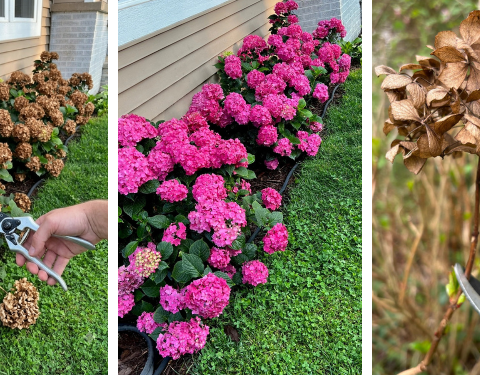
A beautiful, structured landscape shouldn’t demand every weekend of your spring and summer.
If you find yourself spending more time pruning, spraying, and babying fussy plants than actually enjoying your yard, it’s time to let hard-working, resilient perennials do the heavy lifting.
The secret to an effortless garden is choosing shrubs with high structural independence – plants that naturally maintain a tidy shape, resist native pests, shrug off fluctuating weather, and don’t throw a fit if you forget to water them during a dry spell.
The Low-Maintenance Lineup: Quick Reference Comparison
Before diving into the details, here is a breakdown of how these reliable shrubs compare on light needs and unique features:
| Shrub Variety | Sun Requirements | Standout Superpower | Visual Appeal |
| Panicle Hydrangea | Full Sun to Part Shade | Unstoppable blooms on new wood | Huge color-changing flower cones |
| Ninebark | Full Sun to Part Shade | Shrugs off poor, rocky soil | Deep purple or gold foliage |
| Panicle Dogwood | Full Sun to Deep Shade | Thrives in wet, heavy clay | Clean white berries, rich fall color |
| Viburnum | Full Sun to Part Shade | Exceptional disease & pest resistance | Fragrant spring lacecaps & winter berries |
| Spirea | Full Sun | Highly drought-tolerant once set | Vibrant neon leaf shifts & summer flowers |
15 Self-Sufficient Shrubs for Effortless Curb Appeal
1. Panicle Hydrangea (Hydrangea paniculata)
Unlike its fussy cousin, the bigleaf hydrangea, this species is incredibly rugged and thrives in full sun without wilting.
-
USDA Hardiness Zones: 3 – 9
-
Mature Size: 3 to 8 feet tall and wide (depending on the cultivar; ‘Bobo’ stays compact at 3 feet, while ‘Limelight’ can reach 8 feet).
-
Soil & Light Preferences: Full sun to partial shade. Prefers moist, well-drained soil, but is highly adaptable to sandy or clay profiles.
-
Best Landscape Use: Stunning as a focal specimen plant, a soft summer privacy hedge, or massed along a foundation wall.
2. Ninebark (Physocarpus opulifolius)
A dynamic North American native shrub celebrated for its shifting seasonal colors and distinctive peeling bark.
-
USDA Hardiness Zones: 2 – 8
-
Mature Size: 4 to 10 feet tall and wide.
-
Soil & Light Preferences: Full sun to partial shade (full sun produces the deepest purple or gold leaf coloration). Thrives in poor, rocky, acidic, or alkaline soils.
-
Best Landscape Use: Excellent for stabilizing embankments, adding high-contrast color to mixed borders, or serving as a tough property line barrier.
3. Gray / Panicle Dogwood (Cornus racemosa)
A dense, upright native structural shrub that shrugs off challenging soil conditions while supporting local wildlife.
-
USDA Hardiness Zones: 4 – 8
-
Mature Size: 10 to 15 feet tall and wide if left completely unpruned.
-
Soil & Light Preferences: Full sun to deep shade. Highly adaptable; handles wet, heavy clay and low-oxygen soils effortlessly.
-
Best Landscape Use: Perfect for rain gardens, wetland restoration, stabilizing slopes, or establishing a native, wildlife-friendly privacy screen in deep shade.
4. Arrowwood Viburnum (Viburnum dentatum)
An incredibly durable, multi-stemmed native shrub that provides exceptional multi-season texture and structure.
-
USDA Hardiness Zones: 3 – 8
-
Mature Size: 6 to 10 feet tall and wide.
-
Soil & Light Preferences: Full sun to partial shade. Highly indifferent to soil type; thrives in clay, loam, sand, and varying pH levels.
-
Best Landscape Use: Ideal for property line hedges, tall foundation backdrops, and naturalized woodland edges.
5. Japanese Spirea (Spiraea japonica)
A classic, tough-as-nails mounding shrub that injects reliable, bright neon color shifts into the garden with zero effort.
-
USDA Hardiness Zones: 3 – 8
-
Mature Size: 2 to 4 feet tall and wide (stays naturally compact).
-
Soil & Light Preferences: Full sun for the brightest foliage and best flowering. Tolerates lean, dry, and unfertilized soils.
-
Best Landscape Use: Great for low-maintenance walkway borders, low foundations, grouping as a colorful groundcover, or filling tight sunny spaces.
6. Potentilla / Bush Cinquefoil (Potentilla fruticosa)
One of the longest-blooming shrubs available, pushing out cheerful, rose-like flowers non-stop from early summer until frost.
-
USDA Hardiness Zones: 2 – 7
-
Mature Size: 2 to 3 feet tall and wide.
-
Soil & Light Preferences: Full sun. Prefers well-drained, sandy, or rocky soil; highly drought-tolerant once roots are established.
-
Best Landscape Use: Perfect for rock gardens, sunny walkways, commercial street-side plantings, or low-hedging zones.
7. Diervilla / Bush Honeysuckle (Diervilla lonicera)
A low-growing, spreading native shrub that thrives in difficult, dry, shady areas where few other plants can survive.
-
USDA Hardiness Zones: 3 – 7
-
Mature Size: 2 to 3 feet tall with a slightly wider spread.
-
Soil & Light Preferences: Full sun to full shade. Thrives in dry, lean, gravelly soils and completely ignores deer.
-
Best Landscape Use: Outstanding for controlling erosion on dry banks, planting under the dense shade of mature trees, or using as an effortless filler.
8. Summersweet (Clethra alnifolia)
A late-season bloomer that fills the August garden with heavily spiced, sweet-smelling flower spikes, even in dark, wet corners.
-
USDA Hardiness Zones: 3 – 9
-
Mature Size: 3 to 6 feet tall, spreading 3 to 5 feet wide.
-
Soil & Light Preferences: Full sun to full shade. It absolutely loves consistently wet, acidic, organic soils.
-
Best Landscape Use: Excellent for poorly drained low spots, shady rain gardens, or planted near patios where you can enjoy its sweet summer fragrance.
9. Black Chokeberry (Aronia melanocarpa)
A tough native workhorse that transitions from white spring blossoms to glossy summer berries, culminating in a brilliant red autumn display.
-
USDA Hardiness Zones: 3 – 8
-
Mature Size: 3 to 6 feet tall and wide.
-
Soil & Light Preferences: Full sun to partial shade. Tolerates wet swampy ground, dry sandy soils, and high compaction.
-
Best Landscape Use: Ideal for eco-conscious landscapes, low-maintenance fruit gardens, rain gardens, or grouped for striking fall color.
10. Winterberry Holly (Ilex verticillata)
A deciduous native holly that sheds its leaves in late autumn to showcase thousands of bright, neon-red berries against the winter snow.
-
USDA Hardiness Zones: 3 – 9
-
Mature Size: 3 to 10 feet tall and wide (dwarf varieties like ‘Berry Poppins’ stay under 4 feet).
-
Soil & Light Preferences: Full sun to partial shade. Prefers moist, acidic, organic, or boggy soils.
-
Best Landscape Use: Terrific for winter interest borders, damp foundations, and low-lying areas. Note: You will need one male plant (like ‘Mr. Poppins’) nearby to pollinate the berry-producing female plants.
11. Dwarf Conifers (e.g., Bird’s Nest Spruce, Blue Star Juniper)
Slow-growing evergreens that maintain clear architectural lines all year long without a single clip from your pruners.
-
USDA Hardiness Zones: 3 – 8 (varies slightly by specific evergreen genus)
-
Mature Size: Stays highly compact, often growing only 1 to 2 inches per year, capping out around 2 to 3 feet tall over a decade.
-
Soil & Light Preferences: Full sun. Requires sharp, well-drained soil; highly susceptible to root rot if left in standing water.
-
Best Landscape Use: Perfect anchors for modern minimalist designs, rock gardens, foundation borders, or low-maintenance container gardens.
12. Smoky Gold Privet (Ligustrum)
A resilient, non-invasive selection of privet that infuses reliable chartreuse and golden light into sunny borders.
-
USDA Hardiness Zones: 4 – 8
-
Mature Size: 4 to 5 feet tall and wide.
-
Soil & Light Preferences: Full sun to partial shade. Highly drought-tolerant once established and very adaptable to poor soils.
-
Best Landscape Use: Excellent for mid-sized colorful hedges, brightening up dark backdrops, or framing entryways.
13. Boxwood (Buxus – ‘Winter Gem’ or ‘Sprinter’)
The ultimate structural green anchor that holds its rich, glossy color through freezing winters without bronzing or drying out.
-
USDA Hardiness Zones: 5 – 9
-
Mature Size: 2 to 4 feet tall and wide.
-
Soil & Light Preferences: Full sun to partial shade. Requires well-drained soil with a neutral to slightly alkaline pH.
-
Best Landscape Use: Perfect for formal or informal low borders, defining garden paths, framing steps, or providing year-round structure.
14. Forsythia (Forsythia × intermedia)
An iconic herald of spring that blankets its arching branches in a cloud of brilliant yellow blooms before its leaves even appear.
-
USDA Hardiness Zones: 5 – 8
-
Mature Size: 8 to 10 feet tall and 10 to 12 feet wide (dwarf selections like ‘Show Off’ stay around 5 feet).
-
Soil & Light Preferences: Full sun for maximum spring flower density. Indifferent to soil quality, pollution, or winter salt spray.
-
Best Landscape Use: Ideal for wild, naturalized privacy screens, large banks, or massed at the back of a deep garden border.
15. Caryopteris / Bluebeard (Caryopteris × clandonensis)
A compact, drought-loving woody shrub that delivers a refreshing wave of cooling blue color in late summer when most of the garden is spent.
-
USDA Hardiness Zones: 5 – 9
-
Mature Size: 2 to 3 feet tall and wide.
-
Soil & Light Preferences: Full sun. Must have loose, sharply draining, lean soil. It will fail in overly rich or soggy soil.
-
Best Landscape Use: Perfect for pollinator gardens, hot sunny sidewalks, xeriscaping (dry-climate landscaping), or mixed perennial beds.
The Golden Rules of No-Maintenance Success
Even the toughest shrubs on Earth need a strong start. Follow this quick, three-step sequence during planting to ensure your new shrubs truly take care of themselves for the next twenty years:
Gardening should be a source of relaxation, not an endless list of chores.
By shifting your landscape layout away from demanding, delicate plants and anchoring your garden beds with self-sufficient powerhouses like Panicle Hydrangeas, Ninebark, and native Viburnums, you build a resilient ecosystem.