Banana peel water has become one of the most talked-about homemade garden fertilizers in recent years, especially among gardeners looking for simple natural ways to feed plants without relying heavily on synthetic products.
Instead of throwing banana peels into the trash, many gardeners soak them in water to create a mild nutrient-rich liquid often called banana peel water or banana peel tea.
The reason banana peels attract so much attention is because they naturally contain:
- Potassium
- Magnesium
- Calcium
- Small amounts of phosphorus
- Trace minerals
These nutrients are important for healthy plant growth, especially during flowering and fruit production. Potassium, in particular, plays a major role in helping plants regulate water movement, strengthen stems, support flowering, and improve fruit quality.
Although banana peel water is not a complete fertilizer and cannot replace rich healthy soil or compost, many gardeners use it as a gentle supplement during active growing seasons.
Plants that produce flowers, vegetables, fruits, or heavy foliage often respond especially well when banana peel water is used correctly and moderately.
One reason gardeners enjoy using banana peel water is because it turns kitchen waste into something useful while reducing unnecessary waste. It is inexpensive, easy to make, and gentle compared to stronger fertilizers.
How Banana Peel Water Works
When banana peels soak in water, some of their minerals slowly leach into the liquid. The water absorbs small amounts of potassium and trace nutrients, creating a mild natural fertilizer solution.
This liquid is usually watered directly into the soil near plant roots rather than sprayed onto leaves.
Unlike strong chemical fertilizers that force rapid growth, banana peel water works more gently by providing supplemental nutrients that may help support:
- Flowering
- Root development
- Stem strength
- Fruit formation
- Overall plant vigor
The effect is usually gradual rather than dramatic, especially when combined with healthy soil and proper watering.
How to Make Banana Peel Water
Making banana peel water is extremely simple.
Cut one or two banana peels into smaller pieces and place them into a jar or container filled with water. Let the peels soak for about 24 to 48 hours. Some gardeners allow longer soaking times, but shorter periods usually create a fresher and milder solution with less odor.
Once soaking is complete, strain the liquid and pour it around the base of plants.
Some gardeners dilute the solution further, especially for sensitive plants or indoor plants.
Fresh banana peel water generally works better than mixtures left fermenting for long periods because old mixtures may attract insects or develop unpleasant odors.
Why Potassium Is So Important for Plants
Potassium is one of the major nutrients plants need for healthy development.
It helps regulate:
- Water movement inside plant cells
- Flower production
- Fruit quality
- Stem strength
- Disease resistance
- Heat tolerance
Plants low in potassium sometimes develop:
- Weak stems
- Yellow leaf edges
- Poor flowering
- Smaller fruits
- Increased stress during hot weather
This is why potassium-rich fertilizers are commonly used during flowering and fruiting stages.
1. Tomatoes
Tomatoes are one of the plants most commonly fed with banana peel water because they are heavy feeders during summer growth.
Once tomato plants begin producing flowers and fruit, they require large amounts of nutrients to support continuous production.
Potassium becomes especially important because it helps support healthy fruit development and water regulation inside the plant.
Many gardeners apply banana peel water every couple of weeks around the soil near tomato roots during active growth periods.
When used moderately, banana peel water may help support:
- Stronger flowering
- Healthier stems
- Better fruit development
- Improved resilience during heat
Tomatoes especially benefit when banana peel water is combined with:
- Compost-rich soil
- Deep watering
- Mulching
- Proper sunlight
Because tomatoes are prone to nutrient imbalances, banana peel water should not be the only fertilizer used. Tomatoes still need balanced nutrition, including calcium and nitrogen.
Why Tomato Plants Use So Much Potassium
Tomatoes grow rapidly during summer and must move large amounts of water and nutrients into developing fruit.
Potassium helps regulate this movement and supports overall fruit quality.
Fruit-producing plants generally require more potassium than leafy plants because flowering and fruiting consume significant energy.
2. Roses
Roses are another favorite plant for banana peel water because flowering plants demand extra nutrients during bloom production.
Many rose growers apply banana peel water during:
- Late spring
- Early summer
- Heavy blooming periods
The potassium in banana peel water may help support:
- Bloom production
- Stem strength
- Flower quality
- Overall plant vigor
Some gardeners notice healthier-looking foliage and stronger blooms after regular use during the growing season.
Banana peels also contain magnesium, which supports chlorophyll production and may help roses maintain greener leaves.
For roses, banana peel water is usually applied directly into the soil around the drip line rather than directly against the stem.
Why Roses Benefit From Gentle Feeding
Roses grow continuously during warm months and repeatedly produce flowers, which requires constant energy.
Gentle supplemental feeding may help support long flowering periods without forcing excessive weak growth.
3. Peppers
Pepper plants often respond very well to banana peel water once flowering begins.
As peppers transition from leafy growth into fruit production, potassium becomes increasingly important for:
- Flower retention
- Fruit formation
- Stem support
- Heat stress resistance
Many gardeners water diluted banana peel water around pepper plants every couple of weeks during summer.
Peppers especially benefit from consistent moisture levels because irregular watering may cause stress during fruit production.
When combined with healthy soil and good sunlight, banana peel water may help support:
- Better fruit production
- Stronger plants
- Improved flowering
However, peppers dislike overly wet soil, so moderate watering remains important.
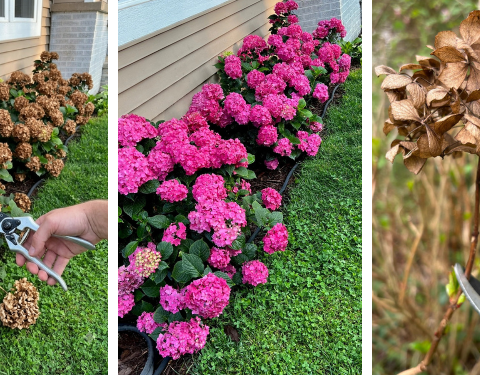
4. Hydrangeas
Hydrangeas are vigorous summer bloomers that appreciate regular moisture and nutrients.
Many gardeners use banana peel water around hydrangeas to support:
- Flower production
- Healthy foliage
- Summer vigor
Because hydrangeas produce large blooms and massive foliage during warm weather, they consume nutrients quickly.
The magnesium and potassium found in banana peel water may help support greener leaves and stronger blooms when used occasionally during active growth.
Hydrangeas already require large amounts of water during hot weather, so banana peel water often fits naturally into existing watering routines.
5. Orchids
Orchids are more delicate than most garden plants, but some orchid growers use highly diluted banana peel water occasionally during active growth periods.
Orchids naturally grow in nutrient-poor environments and prefer very gentle feeding.
Supporters believe diluted banana peel water may help support:
- Bloom development
- Root health
- Leaf color
However, excessive fertilizer can easily damage orchid roots.
Very weak diluted solutions work best, and overwatering should always be avoided.
Why Orchids Need Mild Fertilizing
In nature, orchids often receive only tiny amounts of nutrients from rainwater, bark debris, and organic matter.
Strong fertilizer concentrations may burn sensitive roots quickly.
6. Strawberries
Strawberries benefit from potassium during flowering and berry development.
Many gardeners begin applying banana peel water once strawberry plants start producing flowers.
Potassium may help support:
- Fruit production
- Flowering
- Overall vigor
Strawberries also need:
- Rich soil
- Good sunlight
- Consistent moisture
for healthy harvests.
Banana peel water works best as a supplement rather than the main feeding source.
7. Peace Lilies
Peace lilies are popular indoor plants with large lush foliage and occasional white blooms.
Some indoor gardeners use diluted banana peel water monthly to support:
- Greener leaves
- Healthy root growth
- Better flowering
Because peace lilies enjoy steady moisture, diluted banana peel water can be incorporated into regular watering schedules occasionally.
However, overfeeding indoor plants may lead to salt buildup in containers, so moderation is important.
8. Cucumbers
Cucumber plants grow aggressively during summer and produce large amounts of flowers and fruit in a short period.
This rapid growth requires significant nutrients and moisture.
Many gardeners use banana peel water once cucumber vines begin flowering heavily because potassium may help support:
- Fruit development
- Flower production
- Water regulation during heat
Cucumbers also require:
- Rich soil
- Deep watering
- Warm temperatures
- Strong sunlight
to produce heavily.
Why Summer Vegetables Need More Nutrients
Fast-growing vegetables consume nutrients rapidly because they are constantly producing:
- New leaves
- Flowers
- Fruit
- Roots
Warm temperatures accelerate growth and nutrient demand even further.
9. Snake Plants
Snake plants grow slowly indoors, but some gardeners still use very diluted banana peel water occasionally to support:
- Root strength
- Leaf health
- Slow steady growth
Because snake plants require very little fertilizer overall, only small occasional amounts should be used.
Overwatering remains much more dangerous than underfeeding for snake plants.
10. Sunflowers
Sunflowers are massive summer growers that consume large amounts of nutrients during their rapid development.
Some gardeners apply banana peel water around young sunflowers to support:
- Thick stems
- Flower formation
- Healthy growth
Large flowering plants often appreciate potassium during active growth stages.
Common Mistakes With Banana Peel Water
One of the biggest mistakes gardeners make is overusing banana peel water.
Too much may contribute to:
- Overwatering
- Odors
- Fungus gnats
- Nutrient imbalance
Another mistake is assuming banana peel water replaces balanced fertilization completely.
It does not contain enough nitrogen to fully support all plant needs.
Healthy soil, compost, mulch, and proper watering still matter far more overall.
Why Compost Is Still Better Long-Term
Compost provides:
- Balanced nutrients
- Organic matter
- Soil microbes
- Improved soil structure
Banana peel water works best as a gentle supplement rather than a complete feeding system.
Many experienced gardeners combine:
- Compost
- Mulch
- Occasional banana peel water
- Natural fertilizers
for healthier long-term plant growth.
Banana peel water remains popular because it is simple, sustainable, inexpensive, and easy to make from kitchen scraps.
Plants like tomatoes, roses, peppers, cucumbers, strawberries, hydrangeas, orchids, peace lilies, and sunflowers often seem to benefit the most because they require extra potassium during flowering and active summer growth.