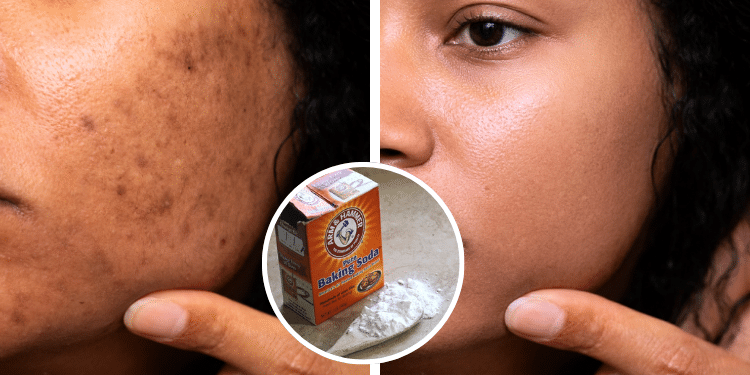
Baking soda is one of the most common household ingredients people experiment with in natural skincare routines.
Because it is inexpensive, widely available, and mildly exfoliating, many people use it in homemade treatments aimed at improving skin texture, softening rough patches, and brightening dull-looking skin.
Online beauty trends often claim baking soda can dramatically erase wrinkles, remove dark spots, or eliminate under-eye circles overnight.
However, skin experts warn that baking soda must be used carefully because it is highly alkaline and may irritate sensitive skin if overused.
When used gently and occasionally, baking soda may help exfoliate dead skin buildup and temporarily improve skin smoothness for some people.
But it is important to understand both its potential benefits and its risks before applying it to delicate facial skin.
Here’s how baking soda is commonly used in skincare routines, why some people believe it helps with dark spots and texture, and how to use it more safely.
Why Baking Soda Became Popular in DIY Skincare
Baking soda, also called sodium bicarbonate, has a fine texture that makes it mildly abrasive.
This is why many people use it for:
- Exfoliation
- Removing buildup
- Softening rough skin
- Cleaning purposes
When mixed with water or oils, it forms a paste that may help remove dead surface skin cells temporarily.
Because dull dead skin can make the complexion appear uneven, exfoliation sometimes creates a brighter and smoother appearance afterward.
The Problem With Baking Soda on Skin
Healthy skin naturally has a slightly acidic protective barrier.
Baking soda is highly alkaline.
Frequent or aggressive use may disrupt the skin barrier and potentially contribute to:
- Dryness
- Irritation
- Redness
- Sensitivity
- Flaking
This becomes especially important around delicate areas like:
- Under the eyes
- Thin mature skin
- Sensitive skin types
This is why moderation is extremely important.
How Exfoliation May Help Dark Spots Appear Lighter
Dark spots often become more noticeable when dead skin cells accumulate unevenly on the skin surface.
Gentle exfoliation may help:
- Improve skin texture
- Remove dull surface buildup
- Support smoother-looking skin
- Temporarily brighten appearance
However, baking soda does not “bleach” dark spots or remove pigmentation instantly.
Real dark spot improvement usually takes:
- Time
- Sun protection
- Consistent skincare habits
Why Sun Exposure Worsens Dark Spots
One of the biggest causes of dark spots is sun exposure.
UV radiation may increase melanin production and make existing pigmentation darker over time.
This is why sunscreen is often more important for dark spot prevention than exfoliation alone.
Without sun protection, spots often return quickly.
Can Baking Soda Remove Wrinkles?
Baking soda does not erase wrinkles permanently.
However, gentle exfoliation may temporarily make the skin appear:
- Smoother
- Softer
- Brighter
because removing dry flaky buildup reflects light more evenly across the skin surface.
Wrinkles are primarily influenced by:
- Aging
- Sun damage
- Collagen loss
- Dehydration
- Facial movement
No DIY ingredient removes deep wrinkles overnight.
Why Moisture Matters More for Wrinkles
Dry skin often makes fine lines appear more noticeable.
Hydrated skin tends to look:
- Plumper
- Softer
- Smoother
This is why moisturizing usually improves the appearance of fine lines more safely than harsh scrubbing.
Under-Eye Circles Require Extra Caution
The under-eye area is one of the thinnest and most sensitive parts of the body.
Dark circles may be related to:
- Genetics
- Fatigue
- Thin skin
- Allergies
- Dehydration
- Blood vessels under the skin
Baking soda is generally considered too harsh for frequent direct use under the eyes.
Aggressive scrubbing in this area may worsen:
- Irritation
- Dryness
- Puffiness
- Sensitivity
If used at all, it should be extremely diluted and applied very gently.
A Gentle Baking Soda Face Paste
Some people use a mild baking soda mixture occasionally for exfoliation.
Simple Recipe
Mix:
- 1 teaspoon baking soda
- Enough water or coconut oil to form a soft paste
Apply gently to damp skin using very light circular motions for:
- About 20–30 seconds
Rinse thoroughly with lukewarm water and apply moisturizer afterward.
Avoid:
- Harsh scrubbing
- Daily use
- Sensitive or broken skin
Why Coconut Oil Is Often Combined With Baking Soda
Coconut oil may help offset some of baking soda’s drying effects.
The oil helps:
- Reduce friction
- Add moisture
- Soften skin temporarily
This combination is commonly used on:
- Hands
- Feet
- Elbows
- Rough areas
more safely than delicate facial skin.
The Importance of Patch Testing
Every person’s skin reacts differently.
Before applying baking soda to larger areas, test a small amount first on a less sensitive area of skin.
If irritation develops, discontinue use immediately.
Why Over-Exfoliation Damages the Skin Barrier
Many people mistakenly believe stronger scrubbing creates better results.
In reality, over-exfoliation may damage the protective skin barrier and lead to:
- Redness
- Increased sensitivity
- Dry patches
- Breakouts
- Irritation
Healthy skin usually responds better to gentle consistent care rather than aggressive treatments.
Better Natural Habits for Healthier Skin
Long-term skin appearance depends heavily on:
- Hydration
- Sleep
- Sun protection
- Nutrition
- Stress management
- Gentle skincare
No single DIY remedy can replace these foundational habits.
Consistent healthy routines often improve skin more effectively than harsh quick fixes.
Ingredients Often Used More Gently Than Baking Soda
People with sensitive skin may tolerate gentler ingredients better, such as:
- Aloe vera
- Oatmeal
- Yogurt
- Honey
- Cucumber
- Green tea
These ingredients are commonly used in soothing skincare routines because they are less abrasive.
Why the Skin Barrier Is So Important
The skin barrier helps:
- Retain moisture
- Protect against irritation
- Defend against bacteria
- Maintain healthy texture
Damaging the barrier repeatedly may worsen many skin concerns rather than improve them.
Important Things to Remember
Baking soda is not suitable for everyone.
People with:
- Sensitive skin
- Rosacea
- Eczema
- Dry skin conditions
may experience irritation more easily.
Avoid:
- Daily use
- Vigorous rubbing
- Applying near the eyes excessively
- Leaving it on too long
Gentleness matters.
Baking soda became popular in DIY skincare because its mild exfoliating texture may temporarily smooth and brighten the skin when used carefully and occasionally.
Some people use it in homemade routines aimed at improving dull skin, rough texture, or the appearance of dark spots. However, baking soda is highly alkaline and may irritate sensitive skin or damage the skin barrier if overused.