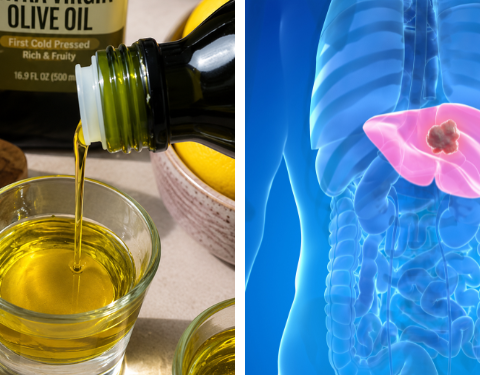
The liver is the body’s primary metabolic factory and filtration center, performing over 500 essential functions every single day.
From neutralizing toxins and synthesizing proteins to producing the bile necessary for fat digestion, the liver is the silent workhorse of the human anatomy.
However, unlike other organs that signal distress with immediate pain, the liver is largely non-sensory. It often suffers in silence, with symptoms only becoming overt once the organ is significantly taxed.
In the world of functional health, we look for “early markers” – the subtle shifts in biology that suggest the liver’s “filtration rate” is slowing down.
Recognizing these signs allows for early intervention through diet, hydration, and lifestyle adjustments before minor congestion turns into chronic dysfunction.
Here are 10 early warning signs that your liver may be struggling and the physiological reasons behind them.
1. Chronic Fatigue and “Brain Fog”
While fatigue can stem from many sources, liver-related exhaustion is distinct. It often feels like a deep, systemic heaviness that isn’t resolved by sleep.
-
The Biological Link: When the liver is overwhelmed, it cannot efficiently convert glucose into glycogen for energy storage. Furthermore, a struggling liver allows metabolic waste products, such as ammonia, to build up in the bloodstream.
-
The Result: As these toxins cross the blood-brain barrier, they interfere with neurotransmitter function, leading to the cognitive “cloudiness” or brain fog often associated with sluggish hepatic function.
2. Unexplained Skin Itchiness (Pruritus)
Itchy skin that occurs without a visible rash or clear external cause is a classic “red flag” for liver congestion.
-
The Biological Link: One of the liver’s jobs is to produce and export bile. If the bile ducts are obstructed or if the liver cells are inflamed, bile salts can back up into the bloodstream.
-
The Result: These bile salts eventually deposit in the skin layers, stimulating nerve endings and causing an intense, persistent itching sensation that typically feels like it is “under the skin” rather than on the surface.
3. Digestive Sensitivity to Healthy Fats
If you find yourself feeling nauseous, bloated, or “heavy” after eating a meal containing healthy fats—like olive oil, avocado, or the eggs we’ve discussed—your liver may not be producing enough bile.
-
The Biological Link: Bile is the “detergent” of the digestive system; it emulsifies fats so they can be absorbed in the small intestine. A struggling liver produces less bile or bile that is too “sluggish” to flow.
-
The Result: Undigested fats sit in the gut, leading to upper abdominal discomfort, bloating, and a general aversion to rich foods.
4. Yellowing of the Eyes or Skin (Subtle Jaundice)
Jaundice is the most well-known sign of liver distress, but in its early stages, it can be very subtle.
-
The Biological Link: Bilirubin is a yellow pigment formed by the breakdown of old red blood cells. A healthy liver filters bilirubin out of the blood and disposes of it through bile.
-
The Result: If the liver is struggling, bilirubin levels rise. You may first notice a slight yellow tint in the “whites” of the eyes (sclera) before it becomes visible in the skin. This is a clear signal that the liver’s filtration capacity is at a bottleneck.
5. Changes in Urine and Stool Color
Because the liver is responsible for the pigments that color our waste, changes in “output” are highly diagnostic.
-
Dark Urine: If your urine looks like dark tea or cola despite drinking plenty of water, it may contain excess bilirubin that the liver failed to process.
-
Pale Stool: Bilirubin is what gives stool its brown color. If the liver isn’t producing bile or if the flow is blocked, stool can appear clay-colored, pale, or even gray.
6. Swelling in the Legs and Ankles (Edema)
Liver distress often manifests as fluid retention in the lower extremities, a phenomenon we’ve touched on in our guides to lymphatic drainage and Epsom salt soaks.
-
The Biological Link: The liver produces albumin, a protein that keeps fluid inside the blood vessels. When liver function drops, albumin levels fall.
-
The Result: Fluid leaks out of the vessels and into the surrounding tissues, particularly in the ankles and feet due to gravity. This is often accompanied by “pitting,” where a thumbprint remains in the skin after being pressed.
7. Easy Bruising and Slow Healing
If you notice bruises appearing without a clear injury, or if small cuts take a long time to stop bleeding, your liver’s protein synthesis may be lagging.
-
The Biological Link: The liver is the sole manufacturer of “clotting factors”—the specific proteins that allow blood to coagulate.
-
The Result: A struggling liver cannot produce these proteins fast enough, leading to “thin” blood and increased capillary fragility.
8. Abdominal Bloating and “Ascites”
Distinct from digestive gas, liver-related bloating often involves fluid accumulation in the peritoneal cavity (the space around the abdominal organs).
-
The Biological Link: Increased pressure in the veins leading to the liver (portal hypertension) combined with low albumin levels forces fluid into the abdomen.
-
The Result: You may notice your waistline expanding even if you aren’t gaining fat elsewhere. This often feels tight and uncomfortable, rather than soft and squishy.
9. Spider Angiomas (Vascular Spiders)
Spider angiomas are small, red, spider-like capillaries that usually appear on the face, neck, or chest.
-
The Biological Link: The liver is responsible for breaking down and clearing excess estrogen. When the liver is sluggish, estrogen levels rise.
-
The Result: Elevated estrogen causes the tiny blood vessels to dilate and become visible on the surface of the skin. While one or two may be normal, a sudden appearance of several is a sign of hormonal-hepatic imbalance.
10. Loss of Appetite and “Early Satiety”
Feeling full after only a few bites of food, or a general loss of interest in eating, can indicate that the liver is physically enlarged or chemically taxed.
-
The Biological Link: An inflamed or “fatty” liver can swell, physically pressing against the stomach and reducing its capacity.
-
The Result: This leads to a persistent feeling of fullness or “upper-right quadrant” heaviness just below the ribcage.
Summary: The Liver Health Checklist
| Early Warning Sign | Primary Biological Driver | Actionable Step |
| Itchy Skin | Bile salt buildup in tissues. | Increase hydration and fiber. |
| Dark Urine | Excess bilirubin in blood. | Check hydration; consult a pro. |
| Ankle Swelling | Low albumin/protein levels. | Epsom salt soak & elevation. |
| Fat Sensitivity | Low bile production. | Add bitter greens to meals. |
| Spider Veins | Excess estrogen buildup. | Reduce alcohol and sugar. |
How to Support a Struggling Liver Naturally
If you recognize these signs, the goal is to reduce the “toxic load” on the organ while providing the nutrients it needs for phase 1 and phase 2 detoxification.
-
Hydration with Lemon: As we discussed in our gout and kidney guides, lemon water provides the citrate and Vitamin C needed to thin the bile and encourage flow.
-
Bitter Foods: Foods like arugula, dandelion greens, and radicchio stimulate the gallbladder to release bile, taking the “pressure” off the liver.
-
Cruciferous Vegetables: Broccoli, kale, and Brussels sprouts contain sulforaphane, a compound that directly supports the liver’s ability to neutralize heavy metals and environmental toxins.
-
The “Right-Side” Rule: Sleeping on your left side can help improve the gravitational flow of the digestive system, while avoiding late-night heavy meals allows the liver to focus on “cleaning” during the night rather than digesting.
The liver is incredibly regenerative; given the right conditions, it has a remarkable capacity to heal itself.
However, because it doesn’t “scream” with pain, we must be attentive to the subtle whispers – the itchy skin, the afternoon fatigue, and the changes in waste color.