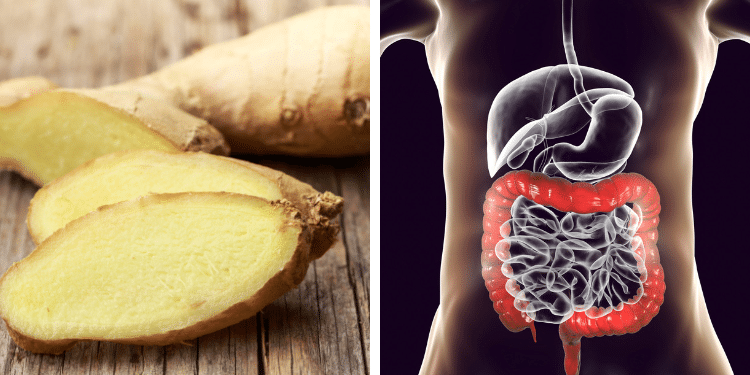
Ginger has been used for thousands of years in traditional wellness practices across Asia, the Middle East, and other parts of the world.
Known for its strong spicy flavor and warming sensation, this root has long been associated with digestion, circulation, and overall wellness support.
In recent years, more people have started eating small amounts of raw ginger before meals as part of natural health routines.
Some believe it helps stimulate digestion, while others use it to support appetite control, reduce bloating, or simply enjoy its invigorating effect.
Although raw ginger is not a miracle cure, modern research does suggest that ginger contains active plant compounds that may influence digestion, inflammation pathways, circulation, and nausea response.
The main active compounds in fresh ginger include:
- Gingerol
- Shogaol
- Zingerone
These natural substances are responsible for ginger’s distinct flavor and many of its studied biological effects.
Here are seven surprising things that may happen when you start eating raw ginger before meals regularly.
Why Ginger Has Such a Strong Effect on the Body
Ginger is considered a highly active botanical because its compounds interact with:
- Digestion
- Circulation
- Nerve signaling
- Inflammatory pathways
- Gut activity
Fresh raw ginger tends to contain higher amounts of gingerol, the compound largely responsible for its sharp taste and warming sensation.
Even small amounts may create noticeable effects in some people.
1. It May Help Stimulate Digestion Before Eating
One of the most common reasons people eat raw ginger before meals is because it may help stimulate digestive activity.
Ginger has traditionally been used to support:
- Saliva production
- Digestive secretions
- Gastric motility
- Stomach emptying
Some studies suggest ginger may help food move through the digestive system more efficiently.
This is one reason many people feel less sluggish or heavy after meals when ginger is consumed beforehand.
Why Digestive Stimulation Matters
Efficient digestion depends on proper signaling throughout the digestive tract.
When digestion feels slow, people may experience:
- Bloating
- Fullness
- Discomfort
- Indigestion
Ginger’s warming compounds may help stimulate digestive movement naturally in some individuals.
2. It May Help Reduce Bloating and Gas
Raw ginger is often associated with digestive comfort.
Some people report less bloating after meals when consuming small amounts beforehand.
This may partly relate to ginger’s potential effect on:
- Gastric emptying
- Intestinal movement
- Digestive muscle activity
By helping food move more efficiently, ginger may help reduce feelings of heaviness after eating.
However, responses vary depending on the individual and underlying digestive conditions.
3. It May Help Support Appetite Regulation
Interestingly, ginger may affect appetite differently depending on the person.
Some people find the warming spicy flavor helps them feel more satisfied and mindful before eating.
Others notice it helps reduce cravings for overly processed foods or stimulates awareness of fullness.
Because ginger has such a strong sensory effect, it may encourage slower, more intentional eating habits.
Why Mindful Eating Matters
Eating quickly and distractedly may contribute to:
- Overeating
- Poor digestion
- Reduced satiety awareness
Strong flavors like ginger naturally slow eating down and increase sensory awareness during meals.
4. Ginger Contains Powerful Antioxidants
Fresh ginger contains antioxidant compounds that help protect cells from oxidative stress.
Oxidative stress occurs naturally in the body and may increase due to:
- Stress
- Pollution
- Poor diet
- Smoking
- Inflammation
Gingerol and related compounds are being studied for their role in helping support the body’s natural defense systems.
Antioxidants help neutralize unstable molecules called free radicals that may contribute to cellular damage over time.
5. It May Help Reduce Occasional Nausea
One of the most researched uses of ginger is its connection to nausea relief.
Ginger has been studied in relation to:
- Motion sickness
- Pregnancy-related nausea
- Digestive discomfort
- Mild nausea after meals
The exact mechanisms are still being researched, but ginger appears to influence both digestive signaling and certain nervous system pathways involved in nausea perception.
This is one reason ginger tea, ginger candies, and raw ginger remain popular natural remedies worldwide.
Why Ginger Feels Warming
Ginger activates receptors involved in heat sensation, similar to how chili peppers create warmth.
This warming effect may temporarily stimulate:
- Circulation
- Salivation
- Digestive activity
Many people describe feeling more alert or energized after eating fresh ginger.
6. It May Support Circulation
Traditional wellness systems often associate ginger with warming the body and supporting circulation.
Some research suggests ginger compounds may influence blood vessel function and circulation-related pathways.
People sometimes report:
- Feeling warmer
- Improved circulation sensation
- Reduced coldness in hands and feet
after consuming ginger regularly.
However, more research is still needed regarding long-term effects.
7. It May Encourage Healthier Eating Habits Overall
One overlooked benefit of eating raw ginger before meals is the routine itself.
Adding a mindful wellness habit before eating may encourage:
- Slower eating
- Better hydration
- More intentional meal choices
- Improved awareness of fullness
Sometimes the ritual surrounding a healthy habit becomes just as important as the ingredient itself.
How Much Raw Ginger Do People Usually Eat?
Most people consume only a very small amount.
Common portions include:
- A thin slice
- A few small cubes
- About 1–2 teaspoons finely chopped
Raw ginger has a very strong flavor and can feel intense if eaten in large amounts.
Simple Ways to Eat Raw Ginger Before Meals
People commonly:
- Chew thin slices directly
- Add ginger to warm water with lemon
- Grate it into salads
- Mix it into herbal drinks
- Combine it with honey
Some prefer it with meals rather than before meals if the flavor feels too strong on an empty stomach.
Potential Downsides to Consider
Raw ginger is not suitable for everyone.
Some people may experience:
- Heartburn
- Stomach irritation
- Mouth irritation
- Digestive discomfort
especially when consuming too much.
People taking blood-thinning medications or managing certain medical conditions should consult healthcare providers before consuming large amounts regularly.
Moderation matters.
Why Fresh Ginger Differs From Dried Ginger
Fresh ginger contains higher amounts of gingerol, while dried ginger contains more shogaol due to dehydration processes.
Fresh ginger usually tastes:
- Brighter
- More citrusy
- Juicier
while dried ginger becomes:
- Warmer
- Spicier
- More concentrated
Both forms contain active compounds, but they may affect the body somewhat differently.
Ginger and the Gut-Brain Connection
The digestive system and nervous system communicate constantly through the gut-brain axis.
Digestive comfort often influences:
- Mood
- Stress perception
- Energy
- Appetite
This may partly explain why digestive-supportive habits sometimes affect overall wellbeing too.
Eating small amounts of raw ginger before meals may help support digestion, reduce bloating, encourage mindful eating, and provide antioxidant compounds that support overall wellness.