Iron is one of the most important minerals in the human body. It plays a major role in carrying oxygen through the bloodstream, supporting energy production, helping muscles function properly, and contributing to healthy brain activity and immune function.
When iron levels become too low, the body may struggle to deliver enough oxygen to tissues and organs efficiently.
This can affect everything from energy and concentration to skin appearance and physical endurance.
Iron deficiency is one of the most common nutritional deficiencies worldwide, especially among:
- Women of reproductive age
- Pregnant individuals
- People with restrictive diets
- Individuals with digestive absorption issues
The problem is that low iron often develops gradually, and many early symptoms may seem mild or unrelated at first.
Here are 13 signs your body may need more iron — and why paying attention to them matters.
Why Iron Is So Important
Iron helps the body produce hemoglobin, a protein found in red blood cells.
Hemoglobin carries oxygen from the lungs to tissues throughout the body.
Without enough iron, the body may struggle to transport oxygen efficiently, which may contribute to:
- Fatigue
- Weakness
- Poor concentration
- Shortness of breath
Iron also supports:
- Muscle function
- Brain health
- Immune activity
- Cellular energy production
1. Persistent Fatigue and Low Energy
One of the most common signs of low iron is ongoing fatigue.
When iron levels are low, less oxygen reaches muscles and tissues efficiently, which may make the body feel physically drained even after rest.
People often describe iron-related fatigue as:
- Heavy exhaustion
- Weakness
- Low stamina
- Feeling tired even after sleeping
This fatigue may gradually worsen over time if iron deficiency continues.
Why Low Oxygen Delivery Causes Fatigue
Cells rely on oxygen to produce energy efficiently.
When oxygen delivery decreases, the body may compensate by:
- Increasing heart rate
- Conserving energy
- Reducing physical endurance
This often contributes to feelings of weakness and exhaustion.
2. Pale Skin or Pale Inner Eyelids
Paleness may sometimes occur because hemoglobin gives blood its red color.
Lower hemoglobin levels may make:
- Skin
- Lips
- Gums
- Inner eyelids
appear paler than usual.
Paleness is often easier to notice in natural lighting.
3. Shortness of Breath
Low iron may make physical activity feel harder because the body struggles to deliver oxygen efficiently.
People may notice becoming unusually winded during:
- Walking
- Climbing stairs
- Exercise
- Daily activities
Even mild exertion may feel more tiring than normal.
4. Frequent Headaches or Dizziness
The brain is highly sensitive to oxygen availability.
Lower oxygen delivery may contribute to:
- Headaches
- Lightheadedness
- Dizziness
- Difficulty focusing
Some people notice headaches becoming more frequent as iron levels decline.
Why the Brain Needs Iron
Iron supports:
- Oxygen delivery
- Neurotransmitter activity
- Cognitive function
- Mental clarity
Low iron may affect concentration and mental energy over time.
5. Cold Hands and Feet
People with low iron sometimes feel unusually cold, especially in their:
- Hands
- Feet
- Fingers
- Toes
Reduced oxygen circulation may affect how well the body maintains warmth in extremities.
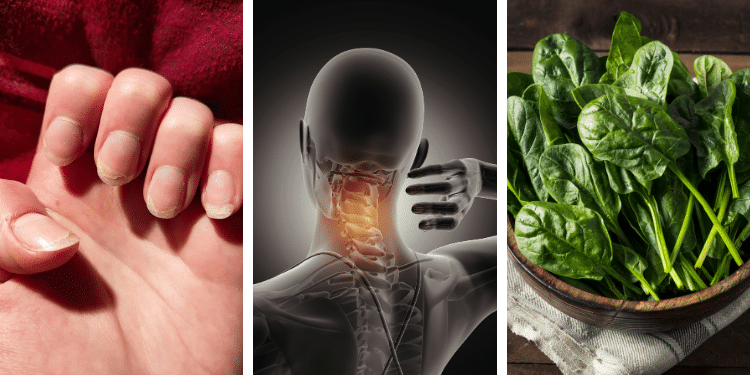
6. Brittle Nails or Spoon-Shaped Nails
Iron deficiency may sometimes affect nail structure.
Nails may become:
- Thin
- Weak
- Brittle
- Easily cracked
In more severe cases, nails may curve upward slightly, a condition sometimes called spoon nails.
7. Hair Thinning or Increased Hair Shedding
Hair follicles are highly sensitive to nutrient and oxygen availability.
Low iron may contribute to:
- Increased shedding
- Hair thinning
- Reduced hair growth support
This usually develops gradually rather than suddenly.
Why Nutrients Affect Hair Growth
Hair growth depends heavily on:
- Oxygen delivery
- Protein intake
- Nutrient availability
- Hormonal balance
The body may prioritize essential organs over hair growth when nutrients become limited.
8. Rapid Heartbeat or Heart Palpitations
When oxygen delivery decreases, the heart may work harder to compensate.
Some people notice:
- Faster heartbeat
- Heart pounding
- Palpitations
- Increased awareness of heart rhythm
Persistent symptoms should always be evaluated by a healthcare professional.
9. Poor Concentration and Brain Fog
Low iron may affect cognitive function and focus.
People sometimes describe:
- Brain fog
- Difficulty concentrating
- Mental fatigue
- Reduced productivity
because the brain depends heavily on oxygen and nutrient delivery.
10. Restless Legs
Restless legs syndrome has been associated in some cases with low iron levels.
Symptoms may include:
- Tingling sensations
- Urge to move the legs
- Discomfort at night
especially during periods of rest or sleep.
11. Increased Sensitivity to Cold Weather
Iron helps support circulation and energy production.
People with low iron sometimes feel unusually sensitive to colder temperatures because their bodies struggle to maintain warmth efficiently.
12. Cravings for Non-Food Substances
Some people with significant iron deficiency develop unusual cravings for:
- Ice
- Clay
- Dirt
- Chalk
- Paper
This condition is known as pica.
The exact reason is not fully understood, but it is strongly associated with certain nutrient deficiencies.
13. Frequent Weakness During Exercise
Exercise may feel much harder with low iron because muscles receive less oxygen.
People may notice:
- Reduced endurance
- Faster exhaustion
- Longer recovery times
- Muscle weakness
even during activities that previously felt manageable.
Who Is More Likely to Develop Low Iron?
Certain groups have higher iron needs or increased risk of deficiency, including:
- Women with heavy menstrual cycles
- Pregnant individuals
- Vegetarians and vegans
- Endurance athletes
- People with digestive absorption disorders
Blood loss and poor absorption are among the most common contributors.
Iron From Food Sources
Iron-rich foods include:
- Red meat
- Lentils
- Beans
- Spinach
- Pumpkin seeds
- Eggs
- Seafood
- Tofu
There are two main forms of iron:
- Heme iron (more easily absorbed, found in animal foods)
- Non-heme iron (found in plant foods)
Vitamin C may help improve absorption of plant-based iron sources.
Why Vitamin C Helps Iron Absorption
Vitamin C helps convert iron into a form the body absorbs more easily.
This is why combining iron-rich foods with:
- Citrus fruits
- Bell peppers
- Tomatoes
- Strawberries
may support better absorption.
Why Self-Diagnosing Can Be Risky
Many symptoms of low iron overlap with other health conditions.
Fatigue, dizziness, and weakness may have many possible causes.
Too much iron can also be harmful, which is why supplementation should generally be guided by proper testing and medical advice.
Bloodwork is usually needed to confirm iron deficiency accurately.
Iron plays a critical role in oxygen transport, energy production, brain function, and overall health.
When iron levels become too low, the body may begin showing signs such as fatigue, weakness, dizziness, pale skin, poor concentration, and reduced physical endurance.