May is one of the most important months in the garden. The cold soil of early spring finally begins warming properly, sunlight becomes stronger, and plants start growing much faster.
For gardeners, this is the moment when flower beds, borders, containers, and patios begin transforming from bare spaces into colorful summer displays.
Flowers planted in May often establish more successfully because the conditions are finally stable enough for active root growth.
Warm soil encourages faster germination, quicker root development, stronger stems, and earlier flowering.
Instead of struggling through cold nights and wet spring conditions, plants settle in rapidly and begin building energy for months of blooms ahead.
This is also the perfect time to plant flowers that thrive in:
- Summer heat
- Long sunny days
- Pollinator gardens
- Containers and hanging baskets
- Cottage-style landscapes
- Low-maintenance flower beds
Many flowers planted in May will continue blooming all the way until early fall if cared for properly.
Here are 16 incredible flowers to plant in May for a garden filled with color, pollinators, fragrance, and nonstop summer blooms.
1. Zinnias
Zinnias are one of the easiest and most rewarding flowers you can plant in May.
As soon as the soil warms, zinnia seeds germinate quickly and grow at an impressive pace. Within weeks, young plants begin producing sturdy stems topped with vibrant blooms in nearly every color imaginable.
One reason gardeners love zinnias so much is their incredible ability to handle heat. Even during the hottest part of summer, they continue producing flower after flower while many other plants begin slowing down.
The blooms can be:
- Small and delicate
- Large and dahlia-like
- Double-petaled
- Cactus-shaped
- Brightly multicolored
depending on the variety.
Zinnias are also one of the best flowers for pollinators. Butterflies especially are constantly attracted to the nectar-rich blooms, turning the garden into a lively moving space throughout summer.
Another advantage is how quickly zinnias bloom from seed. Many varieties begin flowering in just a couple of months, making them ideal for gardeners who want fast summer color.
The more flowers you cut, the more blooms the plant usually produces, which makes zinnias perfect for both flower beds and fresh bouquets.
Why Flowers Grow Better When Planted in May
Many summer flowers struggle in cold spring soil because roots cannot develop efficiently in low temperatures.
By May:
- Soil temperatures become warmer
- Daylight hours increase significantly
- Frost danger decreases
- Pollinator activity increases
This creates ideal conditions for rapid plant growth and flower production.
Plants that establish strong roots in May are usually much better prepared for the intense heat of midsummer.
2. Marigolds
Marigolds are classic summer flowers that combine beauty with practicality.
Their bright blooms instantly add warmth and energy to flower beds with shades of:
- Gold
- Orange
- Yellow
- Deep bronze-red
Marigolds thrive in sunny locations and continue blooming heavily through summer heat.
One reason they are so widely planted is because they are extremely adaptable. They grow well in:
- Containers
- Raised beds
- Vegetable gardens
- Borders
- Small urban gardens
Their strong scent is also believed to help discourage certain garden pests, which is why many gardeners plant them around tomatoes and vegetables.
French marigolds stay compact and bushy, while African marigolds produce much larger blooms and taller stems.
Regular blooming continues throughout summer because the plants grow rapidly in warm temperatures and continuously produce fresh buds.
3. Cosmos
Cosmos bring a softer, airy appearance to summer gardens.
Their tall slender stems sway gently in the breeze while delicate daisy-like flowers float above feathery foliage.
Cosmos are especially valuable because they thrive in poor soil. In fact, overly rich soil often causes the plants to produce too many leaves and fewer flowers.
Once established, cosmos bloom continuously through summer and attract:
- Butterflies
- Bees
- Beneficial pollinators
The flowers appear in shades of:
- White
- Pink
- Crimson
- Lavender
- Deep magenta
Cosmos also reseed easily in many gardens, meaning they often return naturally year after year.
Their relaxed cottage-garden appearance makes them ideal for naturalistic landscapes and wildflower-style plantings.
4. Sunflowers
Few plants create as much visual impact in summer as sunflowers.
Planting sunflower seeds in May gives them enough time to establish deep roots and grow rapidly during warm weather.
Modern sunflower varieties range from:
- Giant towering types over 10 feet tall
- Compact dwarf varieties for containers
- Multi-branching pollinator sunflowers
- Deep burgundy or cream-colored hybrids
Sunflowers are more than decorative plants. They also support:
- Bees
- Birds
- Pollinators
- Beneficial insects
throughout the growing season.
Their large blooms follow the sunlight while creating dramatic vertical structure in the garden.
Many gardeners plant them along fences, behind vegetable beds, or as natural summer privacy screens.
5. Petunias
Petunias remain some of the most popular summer flowers because they bloom relentlessly when given enough sun.
Modern petunia varieties are far superior to older types because they:
- Handle heat better
- Recover faster from rain
- Bloom longer
- Require less maintenance
Wave petunias and Supertunias especially spread aggressively through containers and hanging baskets, often creating massive flower cascades by midsummer.
Petunias thrive best with:
- Full sun
- Regular watering
- Consistent feeding
Because they bloom so heavily, they use large amounts of energy throughout the season.
The flowers come in nearly endless colors and patterns, allowing gardeners to create almost any summer color combination imaginable.
6. Salvia
Salvia is one of the best flowers for attracting pollinators.
Its tall flower spikes bloom continuously throughout warm weather and become magnets for:
- Hummingbirds
- Bees
- Butterflies
Salvia also performs exceptionally well in:
- Drought
- Full sun
- Heat
- Lean soil
Many perennial salvias continue blooming from late spring until fall, especially if lightly trimmed after the first flush of flowers.
The upright growth habit adds height and structure to mixed flower beds while contrasting beautifully against softer flowers like cosmos and zinnias.
7. Nasturtiums
Nasturtiums combine ornamental beauty with edible flowers and leaves.
Their bright trumpet-shaped flowers bloom in shades of:
- Orange
- Yellow
- Red
- Cream
while the round leaves create a lush trailing effect.
Nasturtiums grow rapidly from seed in May and thrive surprisingly well in poor soil.
One reason gardeners love them is because they spill beautifully over:
- Containers
- Raised beds
- Stone walls
- Garden edges
The flowers also attract pollinators while adding a cheerful cottage-garden feel.
8. Lantana
Lantana is one of the toughest summer-blooming plants available.
Once established, it thrives in:
- Heat
- Drought
- Humidity
- Full sun
while producing nonstop clusters of multicolored flowers.
The blooms constantly shift colors as they mature, creating vibrant combinations of:
- Yellow
- Orange
- Pink
- Purple
- Red
Butterflies absolutely love lantana because it provides consistent nectar during the hottest months of summer.
9. Coneflowers (Echinacea)
Coneflowers are hardy perennials that establish beautifully when planted in May.
Their large daisy-like flowers continue blooming from summer into fall and attract pollinators constantly.
Coneflowers are especially valuable because they tolerate:
- Heat
- Drought
- Poor soil
- Neglect
while returning year after year larger and stronger.
Their raised seed heads also provide food for birds later in the season.
10. Celosia
Celosia adds dramatic texture to summer gardens with flame-like or velvety flower heads.
The blooms appear in:
- Crimson
- Orange
- Yellow
- Bright pink
and continue performing extremely well during hot weather.
Celosia thrives in sunny areas and adds bold tropical energy to containers and borders.
11. Verbena
Verbena is one of the longest-blooming summer flowers.
It spreads beautifully through containers and garden edges while producing clusters of flowers continuously through warm weather.
Verbena tolerates:
- Heat
- Dry conditions
- Full sun
better than many traditional bedding plants.
Butterflies are especially attracted to verbena throughout the growing season.
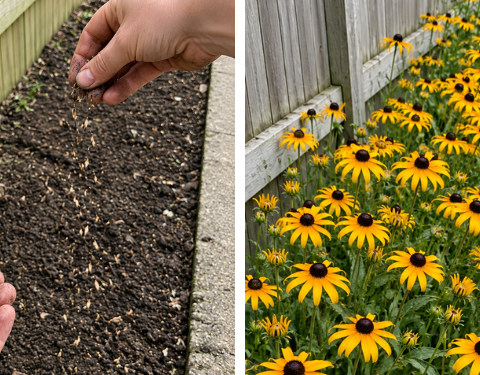
12. Black-Eyed Susans
Black-eyed Susans create cheerful golden-yellow blooms that brighten summer gardens instantly.
These hardy perennials establish quickly and tolerate difficult growing conditions surprisingly well.
Their long blooming season and pollinator-friendly flowers make them valuable additions to:
- Prairie gardens
- Cottage gardens
- Naturalized landscapes
13. Calibrachoa (Million Bells)
Million Bells produce hundreds of miniature petunia-like flowers through summer.
These plants naturally trail and spill from containers while blooming nonstop.
Because they are self-cleaning, the flowers continue renewing themselves without constant maintenance.
14. Dianthus
Dianthus produces fragrant flowers with fringed petals that bloom repeatedly through summer.
The flowers often carry a spicy clove-like fragrance that makes them especially enjoyable near walkways and patios.
Many varieties stay compact while creating dense colorful mounds.
15. Portulaca (Moss Rose)
Portulaca thrives where many flowers fail.
Its succulent foliage stores water, allowing it to tolerate:
- Heat
- Drought
- Sandy soil
- Full blazing sun
The rose-like blooms continue opening throughout sunny summer days.
16. Bee Balm (Monarda)
Bee balm produces shaggy colorful flowers that hummingbirds and pollinators absolutely love.
The flowers appear in:
- Red
- Pink
- Purple
- White
while the aromatic foliage adds fragrance to the garden.
Bee balm spreads gradually over time, creating lush colorful clumps that return year after year.
May is one of the most rewarding months for planting flowers because the warming soil and longer days create perfect conditions for rapid growth and summer blooms.
Flowers planted now establish stronger roots, adapt more easily to summer heat, and often bloom more heavily through the season.