Raised bed gardening is a transformative strategy for herb cultivation, offering a level of environmental control that traditional in-ground plots cannot match.
By elevating the growing surface, you solve the three most common “herb killers”: soil compaction, poor drainage, and inconsistent thermal regulation.
Raised beds allow for “custom-blended” soil – typically a mix of high-quality compost, peat moss, and coarse sand – which creates a light, friable texture that allows herb roots to expand with minimal resistance.
Furthermore, the soil in raised beds warms up 7 to 14 days earlier in the spring, extending the metabolic window for Mediterranean and tropical herbs alike.
Here are 13 herbs that are genetically predisposed to thrive in the optimized environment of a raised garden bed.
1. Rosemary (Salvia rosmarinus)
Rosemary is a “woody” perennial that demands exceptional drainage. In a raised bed, you can ensure the roots never sit in stagnant water, which is the primary cause of root rot.
-
The Benefit: Raised beds allow you to incorporate extra grit or perlite into the specific corner where the rosemary is planted, mimicking the rocky cliffs of its native Mediterranean habitat.
-
The Result: Higher essential oil concentration and a more resilient plant that can better withstand winter temperatures.
2. Lavender (Lavandula)
Like rosemary, lavender is an “alkaline-loving” plant that hates “wet feet.”
-
The Mechanism: The elevation of a raised bed provides a natural gravitational pull that moves moisture away from the “crown” of the lavender plant.
-
The Action: You can easily adjust the pH of the soil in a raised bed by adding a small amount of lime to create the slightly alkaline environment lavender craves.
3. Thyme (Thymus vulgaris)
Thyme is a low-growing, “creeping” herb that can easily be overwhelmed by aggressive weeds in a traditional garden.
-
The Benefit: Raised beds act as a physical barrier to many creeping lawn weeds. The height of the bed also makes harvesting these tiny leaves significantly easier on the back.
-
The Result: A cleaner, sand-free harvest and a plant that spreads into a lush, aromatic carpet.
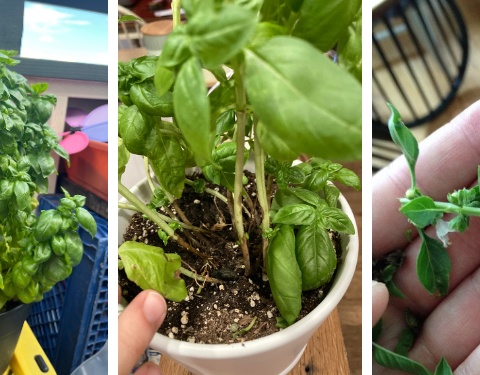
4. Basil (Ocimum basilicum)
Basil is a high-performance annual that requires nutrient-dense soil and consistent warmth to produce its large, succulent leaves.
-
The Mechanism: Because raised beds act as “heat sinks,” the soil stays warm throughout the night.
-
The Result: This prevents the “stunting” that often happens to basil during the cool spring nights, leading to much faster growth and a higher yield for pesto and culinary use.
5. Sage (Salvia officinalis)
Sage is a rugged perennial that benefits from the “deep-soil” profile of a raised bed.
-
The Action: The light, fluffy soil of a raised bed allows sage’s extensive root system to dive deep, providing the plant with better drought resistance during the peak heat of summer.
-
The Benefit: Improved airflow around the fuzzy, moisture-trapping leaves, which reduces the risk of powdery mildew.
6. Oregano (Origanum vulgare)
Oregano can be somewhat invasive, spreading rapidly via underground runners.
-
The Mechanism: A raised bed acts as a natural “containment zone,” preventing the oregano from taking over your entire lawn or garden plot.
-
The Result: A concentrated, bushy plant that is easy to manage and prune.
7. Chives (Allium schoenoprasum)
Chives are among the first herbs to emerge in the spring, and they thrive on the early-season warmth of a raised bed.
-
The Benefit: They are heavy feeders that love the rich organic matter you can easily layer into a raised bed each season.
-
The Result: Thick, hollow “scallion-like” blades and vibrant purple edible flowers that attract early-season pollinators.
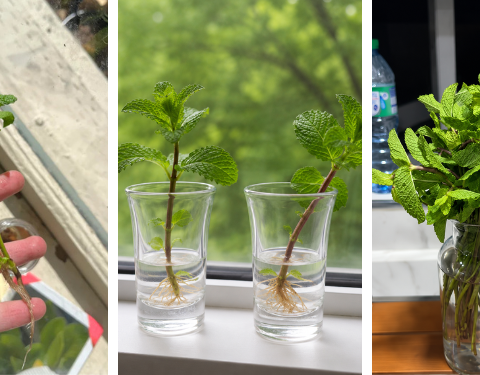
8. Mint (Mentha)
Caution: Mint is notoriously aggressive. However, it flourishes in the moisture-retentive, loose soil of a raised bed.
-
The Strategy: Only grow mint in a raised bed if it is the only plant in that bed, or if it is contained in a bottomless pot “sunk” into the bed soil.
-
The Result: Incredible leaf size and a perpetual harvest of high-menthol foliage.
9. Cilantro / Coriander (Coriandrum sativum)
Cilantro is a “bolt-prone” herb that hates heat stress.
-
The Benefit: In a raised bed, you can easily install a small “hoop house” or shade cloth over the bed to keep the soil cool.
-
The Result: A longer harvest window before the plant shifts its energy into producing seeds (coriander).
10. Parsley (Petroselinum crispum)
Parsley has a long taproot that requires deep, uncompacted soil to reach its full potential.
-
The Mechanism: Traditional garden soil is often too compacted for parsley to grow deep. The “vertical room” in a 12-to-18-inch raised bed is ideal.
-
The Result: Lush, dark-green “bouquets” of foliage that are rich in Vitamin K and minerals.
11. Dill (Anethum graveolens)
Dill is a tall, airy herb that can be easily “toppled” by wind in open fields.
-
The Benefit: The height of the raised bed walls provides a degree of wind protection, and the loose soil makes it easy to insert support stakes if needed.
-
The Result: Full, feathery fronds and large “umbral” flower heads that are a magnet for beneficial predatory wasps.
12. Tarragon (Artemisia dracunculus)
French Tarragon is sensitive to “winter kill” caused by wet, frozen soil.
-
The Mechanism: By ensuring the soil drains rapidly in the late fall, a raised bed helps protect the dormant roots from the “freeze-thaw” cycle that kills tarragon in the ground.
-
The Result: A perennial that reliably returns year after year with its distinct anise-like flavor.
13. Lemon Balm (Melissa officinalis)
Lemon balm is a member of the mint family that provides a calming, citrusy aroma to the garden.
-
The Benefit: It loves the “high-nitrogen” environment that a compost-rich raised bed provides.
-
The Action: Like oregano, the raised bed helps keep this enthusiastic spreader within its designated boundaries.
Summary: Raised Bed Herb Strategy
| Herb Category | Key Raised Bed Advantage | Soil Preference |
| Mediterranean (Rosemary, Lavender) | Superior Drainage | Gritty/Sandy Mix |
| Leafy Annuals (Basil, Cilantro) | Thermal Regulation | Compost-Rich |
| Spreaders (Mint, Oregano) | Root Containment | Standard Loam |
| Taproots (Parsley, Dill) | Soil Depth | Loose/Uncompacted |
Growing herbs in raised beds is a masterclass in botanical optimization.
By removing the variables of poor drainage and compacted earth, you allow these 13 herbs to express their full genetic potential in terms of flavor, aroma, and growth rate.
Whether you are seeking a culinary bounty or a therapeutic “scent garden,” the raised bed provides the foundation for a high-performance herbal sanctuary.