Rosemary (Salvia rosmarinus) is a botanical marvel that bridges the gap between a rugged Mediterranean shrub and a high-performance culinary herb.
While this plant is famously drought-tolerant and resilient, its peak growth window occurs in the late spring.
As we move through May, the increasing light intensity and soil temperature signal the plant to transition from its slow winter metabolic rate to a period of rapid “woody” expansion and essential oil production.
If you want a rosemary bush that is bushy, fragrant, and structurally sound rather than leggy and sparse, there are six critical interventions to perform before the heat of June arrives.
Implementing these steps now ensures that your plant has the root depth and foliage density required to withstand the high-evaporation days of mid-summer.
1. Execute the “Spring Tip” Pruning
Rosemary has a natural tendency to become “leggy,” where the bottom of the stems turn woody and bare while the green growth only happens at the very top.
-
The Mechanism: Pruning triggers a hormonal response called apical dominance. By snipping the terminal bud (the tip of the stem), you force the plant to redirect its energy to the lateral buds along the stem.
-
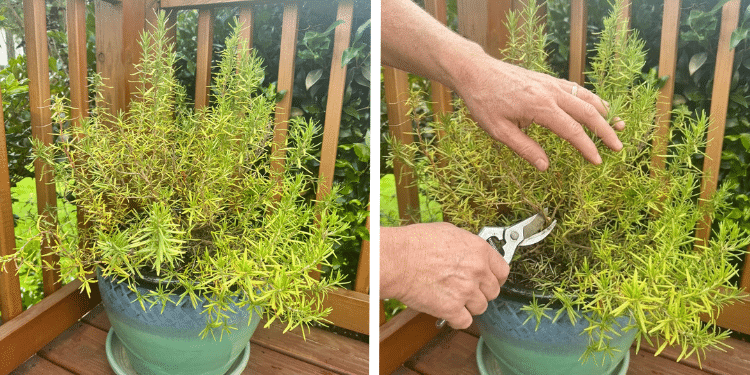
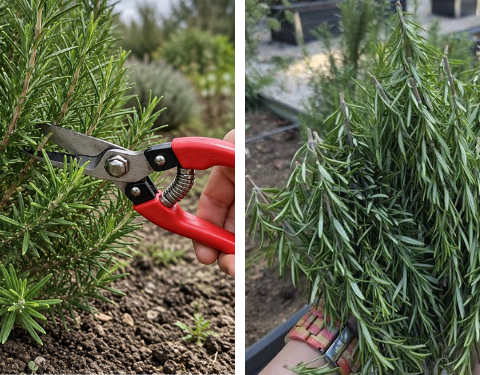
The Action: Before June, go through your plant and snip off the top 2 to 3 inches of every green, non-woody stem.
-
The Result: This “pinching” action results in a bushier, more compact plant. It doubles the number of growing tips, which means more fresh herbs for your kitchen and a more aesthetically pleasing garden structure.
2. Implement a “Drainage Audit”
As we have discussed with other Mediterranean plants like lavender, rosemary’s greatest biological threat is root asphyxiation caused by waterlogged soil.
Before the summer thunderstorms of June arrive, you must ensure the soil chemistry is optimized for drainage.
-
The Mechanism: Rosemary roots require high oxygen levels. In heavy clay or compacted soil, water sits around the roots, inviting anaerobic fungi that cause root rot.
-
The Action: Gently poke the soil around the base of the plant with a garden fork to aerate it. If your rosemary is in a pot, check that the drainage holes aren’t clogged.
-
The Amendment: If the soil feels dense, May is the perfect time to top-dress the area with horticultural grit or coarse sand to improve the “percolation rate” of water.
3. Boost Essential Oil Production with “Mineral Feeding”
While rosemary thrives in “poor” soil, it still requires specific micronutrients to synthesize the rosmarinic acid and camphor that give it its signature aroma.
-
The Mechanism: Magnesium is the central atom in the chlorophyll molecule, which is essential for photosynthesis.
-
The Action: Before June, give your rosemary a one-time “mineral shot” by dissolving 1 tablespoon of Epsom salts (which we discussed for foot soaks) in a gallon of water and applying it to the base.
-
The Benefit: This magnesium boost results in deeper green needles and a significantly more potent scent profile, making your herb harvests much more effective for culinary and medicinal use.
4. Transition to “Infrequent Deep-Watering”
As the weather warms up in May, many gardeners make the mistake of watering a little bit every day. For rosemary, this is a recipe for a shallow, weak root system.
-
The Mechanism: By watering deeply but infrequently, you encourage the roots to “dive” deeper into the soil in search of moisture.
-
The Action: In May, water the plant thoroughly until the ground is saturated, then wait for the top two inches of soil to be bone dry before watering again.
-
The Goal: You are training the plant for the heat of June and July. A rosemary plant with deep roots can survive a week-long heatwave without wilting, whereas a “spoiled” plant with surface roots will struggle.
5. Clear the “Airflow Zone” (Bottom Pruning)
Rosemary is susceptible to powdery mildew and fungal blights if the air around its base becomes stagnant and humid.
-
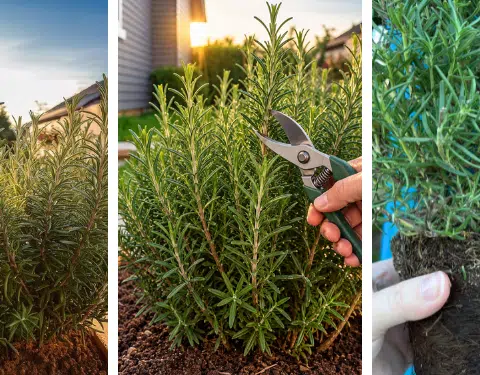
The Action: Look at the bottom 4 to 6 inches of your rosemary plant. If there are dead needles or small, weak branches touching the soil, prune them away.
-
The Benefit: This creates a “breezeway” underneath the plant. Improved airflow prevents moisture from being trapped against the main trunk, which is vital as humidity levels begin to rise in late spring.
-
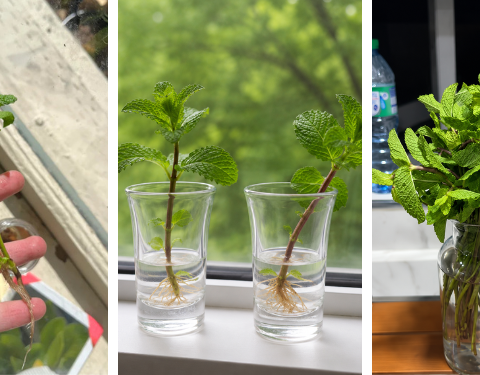
The Pro-Tip: Use these bottom clippings to start new plants! As we’ve discussed with plant propagation, rosemary stems root easily in a mix of sand and peat.
6. Mulch with “Dry” Materials
Unlike your hydrangeas, which love moisture-retaining wood chips, rosemary prefers a mulch that keeps its crown dry and reflects light.
-
The Action: Avoid using heavy wood mulches or bark around rosemary, as these can hold too much moisture against the stem. Instead, use pea gravel, light-colored stones, or even crushed oyster shells.
-
The Benefit: Light-colored stone mulch reflects sunlight back up into the lower branches of the plant, ensuring the bottom needles stay productive and green. It also prevents soil from splashing onto the leaves during heavy rain, which reduces the spread of soil-borne diseases.
The May Rosemary Checklist
| Task | Purpose | Ideal Timing |
| Tip Pruning | Create a bushy, dense shape. | Early to Mid-May |
| Epsom Salt Feed | Increase fragrance and color. | Once in May |
| Bottom Clearing | Prevent fungal mildew. | Before June 1st |
| Stone Mulching | Reflect light and keep crown dry. | Late May |
Rosemary is a plant that rewards “tough love” and strategic neglect, provided the foundation is set correctly in the spring.
By taking these six steps before June, you align your gardening efforts with the plant’s natural Mediterranean cycle.