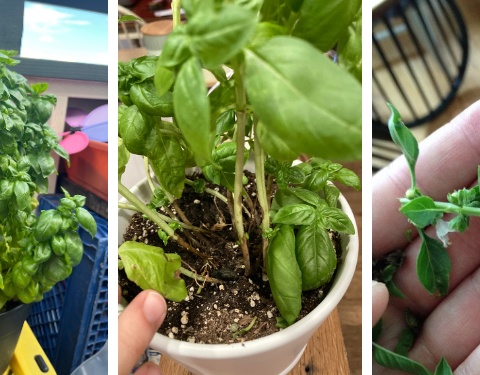
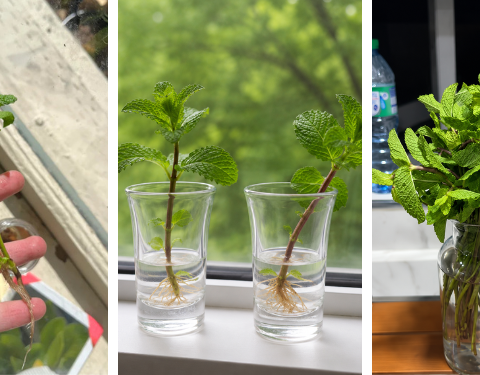
March is the perfect time to start fresh herbs – even if you don’t have garden space. As daylight increases and temperatures slowly rise, many herbs respond quickly to propagation in water.
You don’t need soil, special equipment, or gardening experience. A simple glass jar, clean water, and a sunny windowsill are often enough.
Growing herbs in water is one of the easiest ways to create a small indoor herb station for early spring. It’s clean, compact, and ideal for kitchens, apartments, balconies, and small homes.
Why March Is Ideal for Growing Herbs in Water
March brings:
- Longer daylight hours
- Mild indoor temperatures
- Increased plant growth activity
- Stronger rooting response
Many herbs naturally root in water because their soft stems contain growth nodes – small points where roots easily develop when exposed to moisture.
Growing herbs in water works especially well for:
- Kitchen windowsills
- Indoor propagation stations
- Small-space gardening
- Starting plants before transplanting outdoors
How to Grow Herbs in Water Successfully
Before diving into specific herbs, here’s the simple method that works for almost all of them:
- Cut a healthy stem 4–6 inches long.
- Remove lower leaves (so they don’t sit in water).
- Place the stem in a clean glass jar with room-temperature water.
- Position in bright, indirect sunlight.
- Change water every 2–3 days.
Roots usually appear within 5–14 days depending on the herb. Now let’s explore the best herbs to grow this way in March.
1. Basil
Basil is one of the easiest and fastest herbs to grow in water, especially in March when daylight increases and indoor temperatures become more stable.
To begin, select a healthy, non-flowering stem about 4–6 inches long. It’s important that the stem has not started producing flowers, because flowering shifts the plant’s energy away from rooting.
Make a clean cut just below a leaf node – the small bump where leaves attach – since this is where roots naturally develop.
Remove the lower leaves so that no foliage sits below the water line. Submerged leaves quickly rot and contaminate the water.
Place the stem in a clear glass jar with room-temperature water, ensuring only the bottom 1–2 inches are submerged.
In March conditions (18–24°C / 65–75°F), roots usually appear within 5–7 days. Basil needs bright, indirect sunlight; a south- or east-facing windowsill works well, but avoid harsh midday rays that heat the water.
Change the water every 2–3 days to prevent bacterial growth. Once roots reach 1–2 inches long, pinch the top growth to encourage branching.
Basil can survive in water for several weeks, but it performs better long-term when transplanted into soil.
If the leaves begin to pale after roots develop, you can add a few drops of diluted liquid fertilizer (¼ strength) every two weeks.
2. Mint
Mint is extremely adaptable and one of the best herbs for long-term water growth. Choose young, flexible stems rather than thick woody ones. Cut just below a node and remove the lower leaves.
Mint roots quickly – typically within 5–10 days. It tolerates slightly deeper water levels than most herbs, but you should still avoid submerging leaves.
Because mint grows vigorously once rooted, regular trimming is essential. If left untouched, stems become tall and leggy.
Keep mint in bright, indirect light. It tolerates moderate indoor temperatures well. Replace the water every 2–3 days to keep it fresh.
For extended growth in water, provide a very diluted liquid nutrient solution once every 2–3 weeks. Mint can live in water much longer than most herbs, making it ideal for kitchen windowsills.
3. Oregano
Oregano roots well in early spring, especially when soft new growth is used. Avoid woody stems and select fresh green tips. Cut below a node and remove the lower leaves before placing the stem in water.
Roots usually appear within 7–10 days under bright indirect light. Oregano requires strong light to develop sturdy roots; weak light results in thin, fragile stems. Keep water clean and avoid overcrowding multiple stems in one jar.
Once roots reach about 1 inch, trim the top lightly to stimulate bushier growth. Oregano can grow in water temporarily, but for stronger leaf production and better flavor concentration, transplant it into soil once roots are well established.
4. Thyme
Thyme takes slightly longer to root than basil or mint. Select young, flexible green tips rather than mature woody stems. Cut below a node and remove lower leaves.
Only submerge the bottom half inch of the stem. Thyme is sensitive to rot, and excessive water contact can damage it. Roots typically appear within 10–14 days.
Provide strong indirect sunlight – thyme prefers brighter light than many soft-leaf herbs. If stems appear weak or elongated, increase light exposure.
Thyme does not thrive long-term in water, so once roots reach 1–2 inches, transplant into well-draining soil for continued healthy growth.
5. Rosemary
Rosemary can root in water, but it requires patience and stable conditions. Always select soft new growth rather than woody branches. Cut just below a node and remove the lower leaves.
Rooting takes longer – typically 2–3 weeks. Rosemary needs consistent warmth and bright light. Keep it away from cold drafts or chilly window glass.
Change the water every two days to prevent stagnation. Never submerge leaves. Once roots form, transplant into sandy, well-draining soil quickly.
Rosemary struggles if kept in water for extended periods and may weaken if not moved to soil promptly.
6. Sage
Sage roots moderately well in March when soft, non-woody tips are used. Choose green growth rather than older, woody stems. Place cuttings in water with only the lower portion submerged.
Roots typically develop within 10–14 days. Keep the jar in bright indirect light and avoid placing too many stems together, as crowding encourages rot.
Once roots reach 1–2 inches, transfer sage to soil. While it can root in water, it does not perform well long-term without soil support.
7. Lemon Balm
Lemon balm is extremely vigorous and one of the easiest herbs to propagate in water. Choose fresh green stems and remove the lower leaves.
Roots appear quickly – often within 5–7 days. Lemon balm tolerates water growth better than many herbs and can remain productive for extended periods if water is changed regularly.
Trim frequently to prevent flowering, as flowering reduces leaf quality. Replace water often to prevent cloudiness. This herb adapts well to indoor water growing and is ideal for beginners.
8. Cilantro
Cilantro can root in water, but it is more sensitive than other herbs. Select young stems before flowering begins.
Roots usually appear within 7–14 days. Cilantro prefers cooler indoor temperatures and bright but not intense sunlight. Keep water fresh and move the plant to soil quickly once roots develop.
Cilantro does not thrive long-term in water and is best treated as a short-term propagation method.
9. Chives
Chives regrow easily from root bases. Instead of cut stems, place a small clump with roots attached into shallow water.
Keep only the roots submerged and change water every 2–3 days. New green shoots will emerge quickly. Chives can be trimmed repeatedly, making them convenient for kitchen use.
For long-term health, transplant to soil after several regrowth cycles.
10. Tarragon
Tarragon roots well in early spring from fresh, soft shoots. Cut just below a node and place in clean water.
Roots typically develop in 10–14 days under strong indirect sunlight. Avoid overcrowding stems. Once roots establish, transplant into soil to support stronger leaf production.
11. Stevia
Stevia prefers warm indoor conditions when rooting in water. Use soft, green cuttings and place them in bright light.
Roots usually appear within 1–2 weeks. Maintain warmth and clean water. Once rooted, transplant quickly into nutrient-rich soil for healthy continued growth.
12. Marjoram
Marjoram behaves similarly to oregano. Use soft green stems for propagation.
Roots typically form within 7–10 days. Keep water clean and provide bright indirect light. Once roots strengthen, transplant into soil for improved flavor and longevity.
13. Lavender
Lavender is more challenging to grow in water. Only use soft green growth – never woody stems.
Rooting takes 2–3 weeks under strong light and warm temperatures. Change water frequently and avoid leaf submersion.
Lavender cannot survive long-term in water. Once roots appear, transplant immediately into sandy, well-draining soil to prevent decline.
How to Prevent Common Problems
Stem Rot
- Remove submerged leaves.
- Change water every 2–3 days.
- Use clean jars.
Weak Roots
- Increase light exposure.
- Avoid cold temperatures.
- Avoid overcrowding stems.
Algae Growth
- Rinse jars weekly.
- Keep out of direct sunlight.
Can Herbs Live Permanently in Water?
Most culinary herbs can survive temporarily in water but perform best long-term in soil. Mint and lemon balm last the longest in water. Mediterranean herbs (rosemary, thyme, lavender) should be transplanted quickly.
Growing herbs in water during March is one of the simplest ways to expand your herb collection indoors.
With proper cutting technique, clean water, bright light, and regular maintenance, these 13 herbs can root successfully and provide fresh growth before outdoor gardening even begins.