If you’ve ever walked past a blooming lavender plant, you already know how instantly uplifting that scent can be.
It’s crisp yet soothing, floral yet earthy – and unlike any synthetic fragrance you’ll find in a can.
Here’s why lavender is 10 times better than air fresheners, and why every home – from apartments to country cottages – deserves to have it.
The Problem With Store-Bought Air Fresheners
Most commercial air fresheners contain a cocktail of synthetic fragrances and chemicals designed to overpower or neutralize odors.
But what they really do is coat your nasal passages and dull your sense of smell – not truly clean the air.
Studies have shown that many air fresheners release harmful compounds, including:
- Formaldehyde – A known irritant and possible carcinogen
- Phthalates – Linked to hormone disruption
- Benzene and toluene – Found in petroleum-based products
- Artificial musks and synthetic terpenes – Which accumulate in indoor air
The Environmental Working Group (EWG) warns that some plug-in air fresheners and sprays emit over 100 different volatile organic compounds (VOCs) into indoor spaces.
These substances linger in the air, contribute to indoor pollution, and can aggravate asthma and allergies.
In contrast, lavender purifies the air naturally, fills rooms with a clean, floral aroma, and offers a long list of physical and emotional benefits backed by science.
Lavender: Nature’s Original Air Freshener
Lavender (Lavandula angustifolia) has been treasured for thousands of years for its fragrance and healing qualities.
The word “lavender” comes from the Latin lavare, meaning “to wash” – and that’s exactly what it does to your air and senses: it cleanses and refreshes.
How Lavender Purifies the Air
Lavender essential oil contains natural compounds like linalool, linalyl acetate, and eucalyptol, which possess antimicrobial and antifungal properties.
When the scent of lavender fills the room, these compounds interact with the air, helping to neutralize odor causing bacteria and microbes.
Unlike artificial sprays, which add more chemicals to the air, lavender actually helps to reduce air contamination – naturally.
1. Lavender Cleans the Air – Without Toxins
Air fresheners mask smells, but lavender helps eliminate their source. Studies show that lavender essential oil has strong antibacterial and antifungal properties that inhibit mold, mildew, and odor-causing bacteria.
In one study published in Letters in Applied Microbiology, lavender oil showed significant antimicrobial activity against airborne bacteria and fungi.
Another study found that vapor from lavender oil reduced the growth of mold spores in enclosed environments.
You can simply place a few sprigs of dried lavender in a bowl or diffuser near windows or in damp rooms – and it will absorb odors naturally while releasing its signature clean fragrance.
Try this:
- Mix 10 drops of lavender essential oil with water in a spray bottle.
- Shake and spray on fabrics, curtains, or upholstery for a toxin-free refresher.
- Bonus: It doubles as a natural antibacterial room spray.
2. Lavender Promotes Calm, Focus, and Better Sleep
While artificial air fresheners overwhelm the senses, lavender calms them. The scent of lavender activates the parasympathetic nervous system, which lowers heart rate, reduces blood pressure, and signals the brain to relax.
Scientific Support:
A 2019 meta-analysis of aromatherapy studies found that lavender essential oil consistently reduces anxiety levels and promotes relaxation.
Another study published in Frontiers in Behavioral Neuroscience showed that linalool, one of lavender’s key compounds, had sedative effects without side effects or dependency risk.
That’s why lavender is often recommended for:
- Reducing stress and tension
- Improving sleep quality
- Easing anxiety and depression symptoms
- Enhancing focus and concentration
Simply placing a lavender plant near your bed or using lavender essential oil in a diffuser before sleep can create a peaceful environment that encourages deep rest – something no synthetic air freshener can ever do.
3. Lavender Repels Pests and Insects Naturally
Unlike air fresheners that attract bugs with their sugary scents, lavender repels pests naturally – including moths, flies, mosquitoes, and even fleas.
Lavender contains natural compounds (especially linalool and camphor) that act as insect deterrents. That’s why lavender sachets have been used for centuries to protect clothing and linens from moths.
Ways to Use Lavender for Pest Control:
- Place dried lavender sachets in wardrobes, drawers, or linen closets.
- Add lavender oil to cotton balls and place them near windows or pet areas.
- Grow lavender near entryways or patios to keep mosquitoes and flies away.
You’ll get a home that smells like a Mediterranean garden – not a chemical lab.
4. Lavender Improves Indoor Air Quality
While chemical sprays add pollutants to the air, lavender helps purify it.
When grown indoors, lavender acts as a natural air filter, absorbing carbon dioxide and releasing oxygen.
Lavender plants also emit small amounts of phytoncides – natural airborne substances that reduce stress hormones and boost immune function.
That means having lavender around doesn’t just make your home smell better; it can actually make you feel healthier.
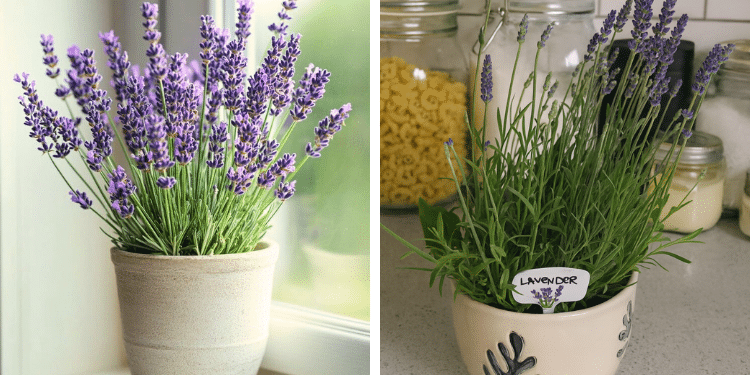
Tip: Grow lavender in a sunny windowsill or a bright kitchen corner where it gets at least 6 hours of sunlight per day. Its silver-green foliage and purple blooms add beauty and freshness year-round.
5. Lavender Lasts Longer Than Air Fresheners
Commercial sprays fade within hours – and then you need to spray again. Lavender’s scent, however, lingers naturally for weeks or months, especially when dried or infused into oils.
A dried lavender bouquet can retain its fragrance for up to a year when stored away from moisture and direct sunlight. You can even refresh the scent by gently rubbing the flowers to release more essential oils.
DIY tip: Make a natural lavender air pouch by filling a small fabric bag with dried buds. Place it in your car, closet, or under your pillow.
6. Lavender Is Safe for Pets and Families
One major drawback of chemical air fresheners is that they can irritate pets, especially cats and dogs, whose respiratory systems are more sensitive than ours.
Lavender, on the other hand, is safe when used properly. Unlike plug-ins or sprays that emit synthetic fragrance molecules, lavender plants and dried buds release natural compounds in low, safe concentrations.
7. Lavender Saves Money and the Environment
A store-bought air freshener might last a few weeks – and cost you every time you replace it. A single lavender plant, once established, can thrive for years with minimal care.
Each mature plant can yield hundreds of flowers yearly, enough to make your own sachets, infused oils, and even homemade cleaning products.
8. Lavender Boosts Mood and Mental Clarity
Unlike synthetic air fresheners that simply coat the air, lavender’s aroma works on a psychological level to promote happiness and reduce fatigue.
Studies have shown that exposure to lavender scent increases alpha brain waves – associated with calm alertness and creativity.
A 2020 study in the International Journal of Psychiatry in Clinical Practice found that people exposed to lavender oil reported improved mood, better concentration, and less irritability during stressful situations.
9. Lavender Blends Perfectly With Other Natural Scents
Lavender pairs beautifully with other natural fragrances, allowing you to create personalized blends without chemicals.
Best complementary scents:
- Lemon or orange – for a bright, clean aroma
- Rosemary or eucalyptus – for an energizing effect
- Chamomile or cedarwood – for deep relaxation
Combine these in a homemade linen spray, oil diffuser, or simmer pot for a refreshing home fragrance that’s 100% natural.
10. Lavender Is Easy to Grow – Indoors or Outdoors
You don’t need a huge garden to enjoy lavender’s benefits. With the right light and soil, lavender thrives in pots, balconies, and windowsills.
How to Grow Lavender Indoors:
- Use a terracotta pot with good drainage.
- Fill it with sandy, well-draining soil (mix potting soil with sand or perlite).
- Place it where it gets 6–8 hours of direct sunlight daily.
- Water sparingly – lavender prefers slightly dry soil.
- Prune after blooming to encourage compact, bushy growth.
Bonus: When lavender blooms, you can cut the stems, dry them, and reuse them for months.
A Natural Replacement for Air Fresheners
Here’s a quick comparison between lavender and typical store-bought air fresheners:
| Feature | Lavender | Air Fresheners |
|---|---|---|
| Air Quality | Purifies air and removes microbes | Adds VOCs and chemicals |
| Scent Duration | Long-lasting natural aroma | Fades quickly |
| Health Impact | Calms nerves, supports sleep | Can cause headaches or irritation |
| Environmental Impact | Biodegradable, zero waste | Plastic waste, aerosols |
| Cost Over Time | Low (self-sustaining plant) | Repeated purchases required |
| Pest Control | Naturally repels insects | Often attracts bugs |
| Emotional Benefits | Promotes calm and positivity | None |
Lavender isn’t just a plant – it’s nature’s version of wellness and cleanliness combined.
It freshens your home, clears your mind, helps you sleep, deters insects, and uplifts your mood – all without synthetic chemicals or artificial fragrances.