A good night’s sleep is one of the most important foundations of health, yet many people struggle to fall asleep or stay asleep.
While lifestyle changes and relaxation routines can help, nature also offers a solution.
Certain indoor plants not only beautify your bedroom but also improve air quality, reduce stress, and create a calming environment that promotes restful sleep.
Here are five great plants for your bedroom that can help you sleep better.
1. Jasmine (Jasminum officinale)
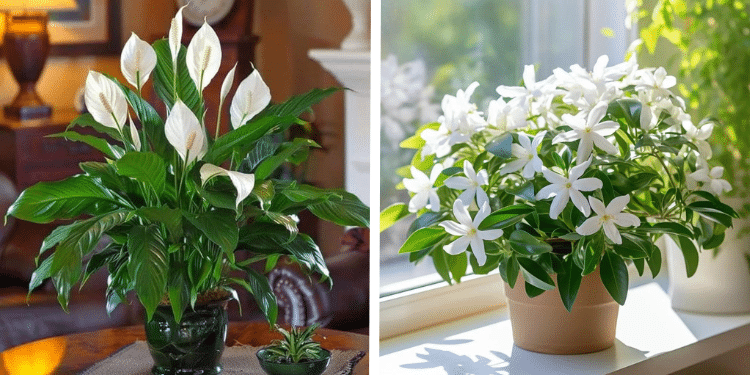
Jasmine is famous for its delicate white blooms and soothing fragrance. For centuries, it has been used as a natural remedy for anxiety, stress, and insomnia.
Why it helps you sleep:
-
Jasmine’s aroma has been shown to calm the nervous system.
-
Reduces anxiety and heart rate, leading to deeper, more restful sleep.
-
Provides a subtle, continuous fragrance throughout the night.
Care tips: Place your jasmine plant in a bright window with indirect sunlight and water when the topsoil feels dry.
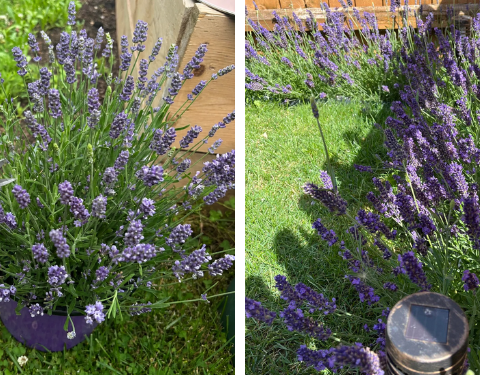
2. Lavender (Lavandula angustifolia)
Lavender is one of the most researched plants for relaxation and sleep. Its purple flowers and herbal scent are known worldwide for their calming effects.
Why it helps you sleep:
-
Reduces stress and promotes relaxation through aromatherapy.
-
May lower blood pressure and heart rate before bedtime.
-
Improves sleep quality, especially for people with insomnia or anxiety.
Care tips: Lavender loves sunlight. Keep it in a sunny window and avoid overwatering.
3. Snake Plant (Sansevieria trifasciata)
Often called mother-in-law’s tongue, the snake plant is one of the best bedroom plants for air purification.
Why it helps you sleep:
-
Releases oxygen at night (unlike most plants).
-
Filters toxins such as formaldehyde, benzene, and xylene from the air.
-
Improves air quality, making breathing easier while you sleep.
Care tips: Snake plants are nearly indestructible. Keep them in indirect light and water sparingly.
4. Aloe Vera (Aloe barbadensis miller)
Aloe vera is well known for its skin-healing properties, but it also makes an excellent sleep-supporting plant.
Why it helps you sleep:
-
Releases oxygen during the night to improve air quality.
-
Cleanses indoor air of toxins and pollutants.
-
Creates a healthier, fresher environment for rest.
Care tips: Aloe vera thrives in bright, indirect sunlight and requires very little water.
5. Peace Lily (Spathiphyllum)
With its glossy green leaves and elegant white flowers, the peace lily is one of the most popular houseplants – and it’s great for sleep.
Why it helps you sleep:
-
Increases humidity in the room, which can reduce dry throats and nasal passages.
-
Filters out harmful indoor toxins and improves air quality.
-
Creates a peaceful, calming atmosphere.
Care tips: Peace lilies like low to medium light and prefer slightly moist soil.
Additional Tips for Using Bedroom Plants for Sleep
-
Don’t overcrowd the room: Too many plants can make the room feel stuffy.
-
Keep plants healthy: Dust the leaves regularly and remove dead foliage.
-
Place them wisely: Near your bed or window where you can enjoy their fragrance and benefits.
Adding plants to your bedroom isn’t just about decoration – it’s about creating a natural, calming sanctuary that supports sleep and well-being.
Jasmine, lavender, snake plant, aloe vera, and peace lily are five of the best choices for better rest.
By improving air quality, reducing stress, and bringing nature indoors, these plants can help you relax, drift off more easily, and wake up feeling refreshed.