Basil is more than just a kitchen staple – it’s the king of summer herbs and one of the easiest and most rewarding plants to grow.
Whether you’re crafting a fresh pesto, garnishing a tomato salad, or brewing an herbal tea, homegrown basil delivers unmatched aroma and flavor.
But here’s the challenge: Most gardeners grow basil as a short-lived annual. After one good harvest or a season of growth, the plant flowers, wilts, and declines. What if you could change that? What if your basil could last a lifetime?
In this in-depth guide, we’ll show you how to grow lush basil that keeps giving – season after season, year after year.
Learn how to propagate, prune, and care for basil the right way, and transform this “annual” herb into a perennial producer in your garden or windowsill.
Why Basil Is a Must-Have in Every Garden
Basil (Ocimum basilicum) is a member of the mint family, known for its sweet, spicy fragrance and culinary versatility. It’s fast-growing, flavorful, and thrives in warm climates.
But there’s more to basil than meets the eye:
- Repels garden pests like aphids and mosquitoes
- Attracts pollinators when it blooms
- Provides medicinal benefits such as antibacterial properties and stress relief
- Easy to grow indoors and outdoors
So how can we grow basil to its fullest potential – and keep it growing indefinitely? It all starts with the right foundation.
Step 1: Choosing the Right Basil Variety
To grow lush basil that lasts, it’s important to choose the right variety for your garden or climate. While all basils are aromatic and useful, some varieties are more productive or long-lived than others.
Popular Basil Varieties:
| Variety | Features |
|---|---|
| Genovese Basil | Classic Italian basil; great for pesto |
| Thai Basil | Anise-flavored; heat-tolerant |
| Holy Basil (Tulsi) | Medicinal use; can grow as a perennial in warm zones |
| Lettuce Leaf Basil | Large leaves; mild flavor |
| Purple Basil | Ornamental and flavorful |
| Greek Basil | Compact, bushy; great for pots |
For long-term growth, Holy Basil and Thai Basil tend to be more heat- and disease-resistant, making them ideal for continuous harvesting or indoor growing.
Step 2: Ideal Conditions for Basil Growth
Basil thrives in warm temperatures, bright light, and well-drained soil. Whether you’re planting it in a raised bed, container, or hydroponic system, give it the environment it loves to produce lush leaves.
Basil Growing Requirements:
- Sunlight: 6–8 hours per day (or strong grow lights indoors)
- Soil: Loamy, slightly acidic to neutral pH (6.0–7.5)
- Temperature: 65°F–90°F (18°C–32°C); frost-sensitive
- Watering: Keep soil moist but not soggy; allow top inch to dry between waterings
- Humidity: Loves humidity; mist leaves in dry indoor environments
Tip: In cooler climates, start basil indoors 6 weeks before the last frost, and transplant outdoors after the soil warms.
Step 3: Planting from Seed or Propagating from Cuttings
Want basil for life? Learn how to propagate and multiply it easily.
Starting Basil from Seed:
- Fill seed trays or pots with a well-draining seed mix.
- Sow seeds ¼ inch deep.
- Keep moist and warm (70–75°F).
- Germination takes 5–10 days.
- Thin seedlings to one plant per pot after they develop true leaves.
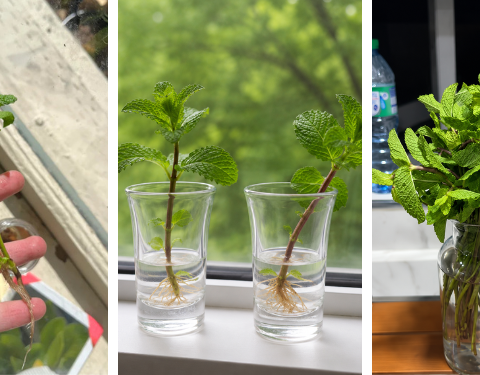
Propagating Basil from Cuttings (The Secret to Perennial Basil!):
- Snip a 4–6 inch cutting from a healthy basil plant, just below a leaf node.
- Remove the bottom leaves and place the stem in a glass of clean water.
- Change the water every 2–3 days.
- Roots will form in 7–14 days.
- Transplant to soil once roots are 1–2 inches long.
With this method, you can regrow basil endlessly, even if your original plant flowers and dies.
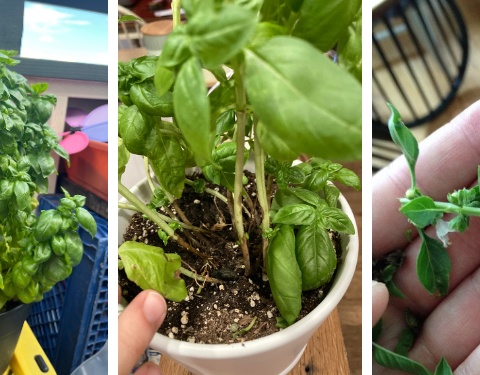
Step 4: Prune Like a Pro for Bushier Growth
Most basil plants fail to thrive because gardeners don’t prune enough. The secret to lush basil is regular and strategic pruning.
How to Prune Basil Correctly:
- Begin when the plant is 6–8 inches tall.
- Snip the central stem just above a leaf node with two small leaves.
- This forces the plant to grow two new branches at that node.
- Continue pruning every week, always leaving at least two sets of leaves.
Never Let Basil Flower (Unless You’re Saving Seeds)
Flowering signals the plant to stop producing leaves and begin seed production. If you want lush basil, pinch off flower buds as soon as they appear. For seed saving, let one plant flower at the end of the season.
Step 5: Fertilize and Feed for Lifelong Growth
Basil isn’t a heavy feeder, but consistent nutrients can dramatically increase its health and lifespan.
Fertilizing Tips:
- Use compost tea or fish emulsion every 2–3 weeks.
- Apply a balanced organic fertilizer (e.g., 5-5-5) monthly for vigorous growth.
- Avoid over-fertilizing with nitrogen, which can make leaves bitter.
In containers, nutrients wash out quickly, so feed more often. If growing hydroponically, use a balanced nutrient solution made for leafy greens.
Step 6: Water Wisely
Basil needs regular moisture, but overwatering can cause root rot, especially in containers.
- Water when the top inch of soil feels dry.
- Water in the morning to prevent mildew.
- Avoid getting water on the leaves in humid climates.
- Use mulch in outdoor gardens to retain moisture and regulate temperature.
In dry indoor air, mist basil lightly or place a tray of water nearby to boost humidity.
Step 7: Indoor Basil – Year-Round Harvesting
One of the easiest ways to grow basil that “lasts a lifetime” is to grow it indoors.
Indoor Growing Tips:
- Use a sunny south-facing window or a full-spectrum LED grow light.
- Rotate plants for even growth.
- Avoid placing near cold drafts or heat vents.
- Grow basil in small pots and propagate new ones monthly for a continuous supply.
Hydroponic basil (in mason jars or Kratky systems) can provide months of harvest without soil.
Step 8: How to Keep Basil Perennial (Yes, You Can!)
While most basils are grown as annuals, they can live indefinitely through cuttings, overwintering indoors, and greenhouse propagation.
How to Keep Basil Alive Year-Round:
- In zones below USDA 10, bring potted basil indoors before first frost.
- Cut back the plant and keep it under grow lights in a warm room.
- Take cuttings every 4–6 weeks and start new plants in soil or water.
- Plant back outdoors in spring or keep in rotation indoors.
With this cycle, you can enjoy lush, vibrant basil forever – no need to start from seed every year!
Basil Companion Planting and Pest Tips
Basil is not just tasty – it’s protective!
Best Companion Plants: Tomatoes (enhances flavor and repels pests), Peppers, Oregano, Marigolds, Lettuce.
Pests to Watch For: Aphids, Whiteflies, Japanese beetles, Slugs (on young plants)
Natural Pest Solutions:
- Spray neem oil weekly.
- Use diluted soapy water on aphid clusters.
- Plant near marigolds or onions to repel insects naturally.
Harvesting for Continuous Growth
The more you harvest basil (correctly), the more it grows. Regular harvesting extends the plant’s life and keeps it productive.
How to Harvest:
- Always harvest in the morning when oils are strongest.
- Use clean scissors or pinch with fingers.
- Take no more than ⅓ of the plant at one time.
- Store fresh basil in water (like a bouquet) or freeze in olive oil for long-term use.
How to Store and Preserve Basil
Enjoy your basil bounty year-round with proper storage.
Fresh Storage:
- Place stems in a jar of water on the counter (change water daily).
- Do not refrigerate – it causes browning.
Freezing:
- Chop and freeze in ice cube trays with olive oil or water.
- Use in soups, sauces, and sautés.
Drying:
- Air dry small bundles or use a dehydrator.
- Store in airtight containers away from light and moisture.
Summary: The Secrets to Lush, Long-Lasting Basil
| Tip | Why It Works |
|---|---|
| Grow from cuttings | Regrow endlessly without starting new seeds |
| Prune early and often | Encourages bushy, productive growth |
| Fertilize consistently | Boosts leaf production and plant vitality |
| Harvest regularly | Prevents flowering and keeps flavor strong |
| Bring indoors or propagate | Keeps basil alive year-round |
| Choose resilient varieties | Longer life, more flavor, greater adaptability |
Basil doesn’t have to be a one-season wonder. With the right techniques – propagation, pruning, feeding, and care – you can grow a basil plant (or an entire indoor basil garden) that lasts not just one summer, but season after season.
Start small with a healthy cutting or a handful of seeds, follow the tips in this guide, and watch your basil flourish – indoors, outdoors, and everywhere in between.