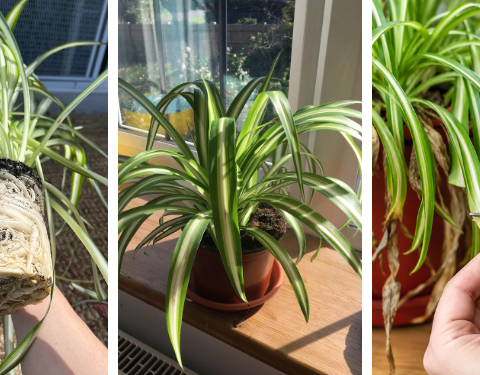
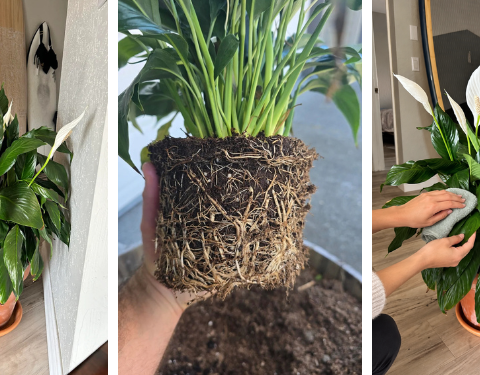
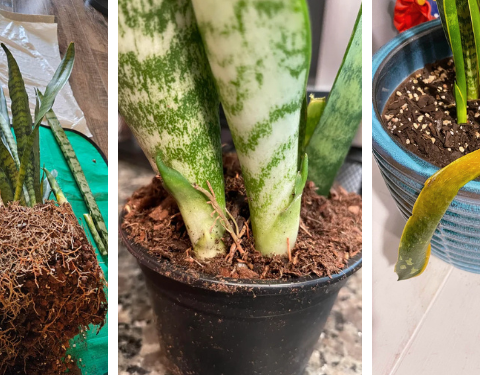
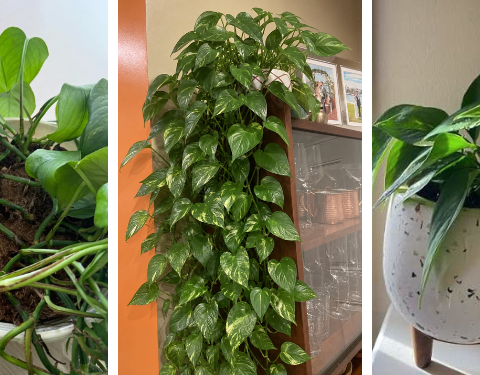
The humble spider plant (Chlorophytum comosum) might seem like a simple houseplant, but it holds incredible value that makes it worth far more than meets the eye.
Just one leaf of this plant can offer numerous benefits for your health, home, and well-being. Known for its air-purifying qualities, easy maintenance, and ability to propagate quickly, the spider plant is a gold mine for any household.
In this article, we’ll explore the remarkable benefits of the spider plant and provide you with a comprehensive guide on how to grow and care for it at home.
Benefits of the Spider Plant
1. Purifies Indoor Air
The spider plant is a natural air purifier, capable of removing harmful toxins from the air, such as formaldehyde, benzene, xylene, and carbon monoxide.
This makes it an excellent choice for improving indoor air quality and creating a healthier living environment.
- How It Works: The spider plant absorbs pollutants through its leaves and roots, breaking down toxins and converting them into harmless byproducts.
- Benefit: Helps reduce symptoms of allergies, asthma, and respiratory issues by providing cleaner, fresher air.
2. Increases Humidity
Spider plants can help increase the humidity in your home, which is beneficial for both your skin and respiratory health.
In dry environments, spider plants release moisture into the air through a process called transpiration, which helps to maintain a balanced indoor climate.
- How It Works: As the spider plant absorbs water through its roots, it releases moisture through tiny pores in its leaves, raising the humidity level in the surrounding air.
- Benefit: Keeps your skin hydrated, prevents dry eyes, and reduces respiratory irritation caused by dry air.
3. Reduces Stress and Boosts Mood
Having greenery in your home has been shown to reduce stress, anxiety, and depression, and improve overall mood.
The spider plant, with its lush, cascading leaves, adds a calming, natural aesthetic to any space, promoting relaxation and mental well-being.
- How It Works: Exposure to plants and greenery can lower cortisol levels, the body’s primary stress hormone, and promote a sense of calm.
- Benefit: Enhances mood, improves concentration, and creates a tranquil environment in your home.
4. Pet-Friendly and Non-Toxic
Unlike some houseplants that are toxic to pets, the spider plant is safe for cats, dogs, and other pets.
It’s a great choice for pet owners who want to enjoy the benefits of houseplants without worrying about their furry friends.
- How It Works: Spider plants do not contain any harmful compounds that are toxic to pets.
- Benefit: Keeps your pets safe while still providing all the health benefits of indoor greenery.
5. Easy to Grow and Maintain
The spider plant is one of the easiest houseplants to grow, making it perfect for both beginner and experienced gardeners.
It thrives in a variety of conditions, requires minimal care, and can tolerate occasional neglect.
- How It Works: Spider plants are adaptable to different light conditions and are relatively drought-resistant, requiring minimal watering.
- Benefit: Low-maintenance plant that’s ideal for busy lifestyles or those new to plant care.
6. Propagates Easily
Spider plants produce small offshoots or “spiderettes,” which can be easily propagated to create new plants.
This means you can quickly expand your collection or share plants with friends and family.
- How It Works: Spiderettes grow from the main plant and can be cut and replanted in soil or water to form new, independent plants.
- Benefit: Cost-effective way to grow more plants or give thoughtful, green gifts.
How to Grow and Care for Spider Plants at Home
Step 1: Choose the Right Location
Spider plants thrive in bright, indirect light but can also tolerate lower light conditions.
They should be placed in a spot where they receive some natural light, such as near a window with filtered sunlight.
- Tip: Avoid placing spider plants in direct sunlight for prolonged periods, as this can cause the leaves to scorch or develop brown tips.
Step 2: Use the Right Soil
Spider plants prefer well-draining potting soil that is rich in organic matter. A standard houseplant potting mix with added perlite or sand will work well to ensure proper drainage.
- Tip: Choose a pot with drainage holes to prevent waterlogging, which can lead to root rot.
Step 3: Watering
Spider plants prefer to be kept moderately moist but not soggy. Water your spider plant when the top inch of the soil feels dry to the touch. Overwatering can cause the roots to rot, while underwatering can cause the leaves to brown.
- Tip: Water your spider plant less frequently in winter when growth slows down, and more often in the warmer months when it’s actively growing.
Step 4: Fertilize Regularly
Feed your spider plant with a balanced, water-soluble fertilizer once a month during the growing season (spring and summer). This will help maintain healthy growth and encourage the production of new spiderettes.
- Tip: Reduce or stop fertilizing during the winter months when the plant is not actively growing.
Step 5: Propagation
Propagating spider plants is easy and can be done by planting the small “spiderettes” that grow from the main plant. Here’s how to do it:
- Step-by-Step Propagation:
- Wait until the spiderettes have small roots forming.
- Cut the spiderette from the main plant with a clean pair of scissors or pruning shears.
- Place the spiderette in a small pot with well-draining soil or a glass of water until roots develop further.
- Once the roots are established, transplant the new plant into its own pot.
Step 6: Monitor for Pests
Spider plants are relatively pest-resistant but can occasionally attract pests like spider mites or aphids. Check the leaves regularly for signs of pests, and treat with insecticidal soap or neem oil if necessary.
- Tip: Wipe down leaves with a damp cloth to keep them clean and free of dust, which can attract pests.
The spider plant may be small, but its benefits are immense—truly a gold mine for any home. From purifying the air and reducing stress to being a pet-friendly option, this versatile plant is an excellent choice for anyone looking to improve their indoor environment.
Easy to grow, low-maintenance, and highly beneficial, the spider plant is an essential addition to any household.