Few flowers can compete with the dazzling color, easy growth, and sheer joy that zinnias bring to gardens.
Whether you’re filling beds with vibrant blooms or cutting fresh bouquets all summer long, zinnias are an absolute garden superstar.
But did you know there are clever ways to make them bloom even longer and more profusely?
With the right care, you can enjoy non-stop zinnia flowers from late spring until the first frost. The secret lies in a few simple techniques that promote continuous flowering, prevent disease, and keep plants lush and healthy.
This comprehensive guide reveals the 8 best tricks for never-ending zinnia blooms, covering everything from seed starting and deadheading to soil prep and spacing. Let’s turn your garden into a sea of colorful zinnias that never quits!
Why Choose Zinnias?
Before we get into the blooming secrets, it’s worth highlighting why zinnias are so loved by gardeners:
- Incredible Color Range: Bright reds, yellows, purples, pinks, and bi-colors.
- Variety of Shapes and Sizes: From tall cutting varieties to low, compact bedding types.
- Attract Pollinators: Bees, butterflies, and even hummingbirds flock to zinnias.
- Long Vase Life: Zinnias are among the best flowers for cutting and floral arrangements.
- Heat and Drought Tolerant: Perfect for hot, sunny gardens.
Now let’s dive into how to keep those blooms coming!
1. Start with High-Quality Seeds and Varieties
The path to endless blooms begins with choosing the right zinnia seeds.
Best Zinnia Varieties for Long Blooming:
- Benary’s Giant: Huge, dahlia-like flowers in vivid colors. Perfect for cutting.
- Profusion Series: Compact, mildew-resistant, blooms profusely all season.
- Queen Series: Unique antique shades, long stems for cutting.
- Zahara Series: Compact, disease-resistant, excellent for containers.
- State Fair Mix: Tall, bright blooms ideal for garden beds.
Tips for Choosing Seeds:
- Buy fresh seeds each year for high germination rates.
- Choose disease-resistant varieties to avoid powdery mildew.
- Select both tall and dwarf types to extend blooming throughout the garden.
2. Prepare Your Soil for Happy Zinnias
Zinnias aren’t fussy, but giving them the right soil sets the stage for abundant blooms.
Soil Requirements:
- Well-draining soil is crucial. Zinnias hate soggy roots.
- Prefer slightly acidic to neutral soil (pH 6.0–7.5).
- Rich in organic matter but not overly fertilized.
How to Prep the Soil:
- Loosen soil to a depth of 8–10 inches.
- Mix in compost to improve fertility and drainage.
- Avoid adding excessive nitrogen – it leads to lush leaves but fewer flowers.
Pro Tip: Raised beds are excellent for zinnias in heavy clay soils.
3. Sow Zinnia Seeds at the Right Time
Zinnias thrive in warm weather, so timing matters.
Outdoor Sowing:
- Wait until all danger of frost has passed and soil is consistently above 60°F (16°C).
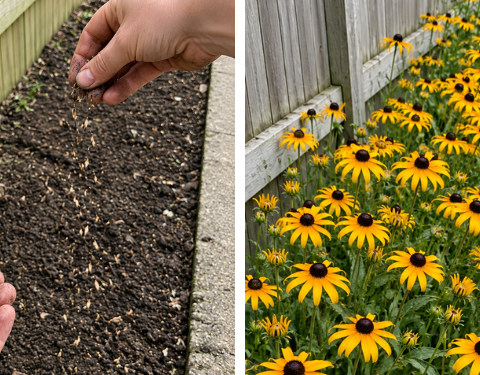
- Sow seeds directly ¼ inch deep.
- Thin seedlings to avoid overcrowding.
Starting Indoors:
- Sow seeds 4–6 weeks before the last frost date.
- Use seed-starting trays and keep under grow lights.
- Transplant carefully once the soil warms up.
Key Benefit: Early indoor sowing gives you a head start for earlier blooms.
4. Space Plants Generously to Prevent Disease
One of the biggest threats to zinnias is powdery mildew, a fungal disease that can halt blooming and ruin foliage.
Spacing Guidelines:
- Tall varieties: Space 12–18 inches apart.
- Dwarf varieties: Space 6–10 inches apart.
Proper airflow prevents mildew and encourages more blooms.
Air Circulation Tips:
- Don’t overcrowd zinnias with other plants.
- Plant in rows facing prevailing breezes.
- Remove weeds that block airflow.
5. Water Wisely for Optimal Blooming
Zinnias love sun and warmth but still need consistent moisture for flower production.
Watering Tricks:
- Water at the base of the plant, not overhead.
- Water deeply once or twice a week rather than shallow sprinkling.
- Allow the top inch of soil to dry between watering sessions.
Avoid This: Wet foliage invites powdery mildew. Drip irrigation is ideal.
6. Deadhead Religiously for Continuous Blooms
Here’s one of the biggest secrets to endless zinnias: deadheading.
Why Deadheading Works:
- Zinnias stop producing new flowers once seeds mature.
- Removing faded blooms signals the plant to keep producing buds.
How to Deadhead:
- Cut spent blooms back to a leaf node or branching stem.
- Harvest flowers frequently if you’re growing for bouquets.
Fun Fact: The more you cut zinnias, the more flowers they produce!
7. Feed Moderately for Maximum Flowers
Zinnias don’t need heavy feeding but benefit from periodic boosts.
Fertilizer Tips:
- Use a balanced fertilizer (10-10-10) or a bloom booster.
- Apply once a month during peak growing season.
- Over-fertilizing = more foliage, fewer flowers.
Organic Feeding:
Compost tea or fish emulsion once a month encourages healthy blooms.
8. Cut Zinnias for Bouquets to Keep Blooms Coming
Harvesting isn’t just for your vase – it’s a trick to keep zinnias blooming endlessly.
Cutting Tips:
- Use clean, sharp scissors or snips.
- Cut stems in the morning for best freshness.
- Cut above a leaf node to encourage branching.
Vase Life:
- Zinnias can last 5–10 days in a vase.
- Change water every 2 days for longest life.
Result: More cuts = more branches = more flowers.
Bonus Tricks for Zinnia Success
Can’t get enough zinnias? Here are a few extra tips to keep them blooming into fall:
- Mulch Lightly: Helps retain soil moisture and suppress weeds.
- Stagger Planting: Sow new seeds every 2-3 weeks for continuous blooms into autumn.
- Rotate Locations: Avoid planting zinnias in the same spot every year to reduce disease risk.
- Choose Heat-Tolerant Varieties: Profusion and Zahara series handle extreme heat with ease.
Common Zinnia Problems – and How to Fix Them
| Problem | Possible Cause | Solution |
|---|---|---|
| Powdery mildew | Poor airflow, overhead watering | Space plants further apart, water at base |
| Few blooms | Excessive nitrogen | Reduce fertilizer, deadhead spent blooms |
| Weak stems | Low light, crowded planting | Ensure full sun and proper spacing |
| Leaf spots | Fungal diseases | Remove infected leaves, avoid overhead watering |
Limited garden space? Zinnias are excellent container plants.
Container Tips:
- Choose pots at least 8–12 inches deep.
- Use well-draining potting mix.
- Water more often than in the ground.
- Dwarf varieties like Profusion thrive in containers.
Frequently Asked Questions
How long do zinnias bloom?
With proper care, zinnias bloom continuously from late spring until frost.
Can I save zinnia seeds?
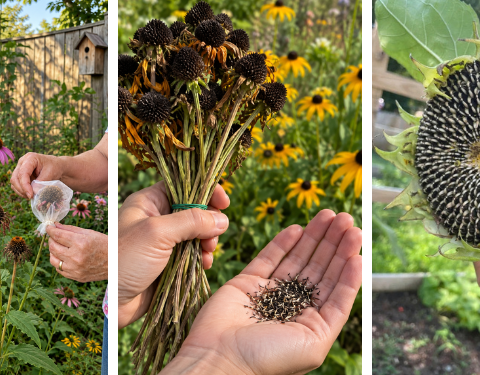
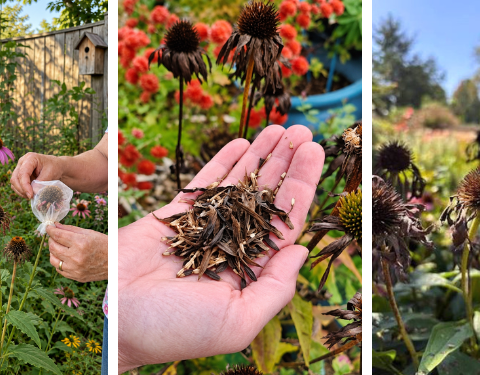
Yes! Let a few flowers dry completely. Collect seeds from the flower centers, dry thoroughly, and store in a cool place.
Do zinnias attract pollinators?
Absolutely! Zinnias are magnets for butterflies, bees, and hummingbirds.
Are zinnias annuals or perennials?
Zinnias are annuals in most climates, meaning they complete their life cycle in one season. However, they self-seed readily.
Do zinnias grow well indoors?
Zinnias prefer outdoor conditions but can be started indoors under grow lights and transplanted outdoors once temperatures warm up.
Zinnias bring joy to gardens, balconies, and bouquets with their vibrant blooms. With these 8 clever tricks, you can transform your zinnia patch into a never-ending festival of color.