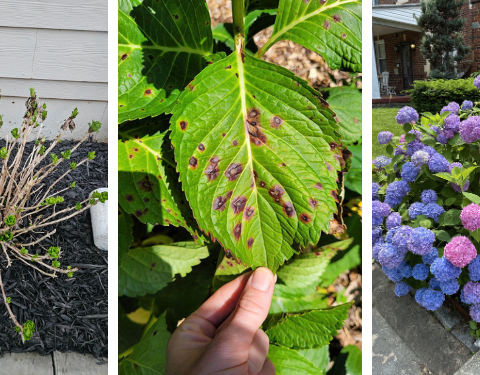
The secret to a gardenia bursting with flowers isn’t just luck. It’s about understanding the plant’s needs – from soil chemistry and sunlight to watering habits and nutrition.
Understanding Why Gardenias Are So Picky
Before we jump into what to use for more blooms, it’s important to understand why gardenias often fail to flower in the first place.
Common Causes of Poor Flowering:
- Improper pH levels – Gardenias are acid-loving plants. When the soil is too alkaline, they can’t absorb nutrients properly.
- Nutrient imbalance – Too much nitrogen leads to lush green leaves but no flowers.
- Inconsistent watering – Overwatering or underwatering stresses the plant, causing buds to drop.
- Low humidity and dry air – Gardenias love moisture in the air, not just in the soil.
- Temperature fluctuations – Sudden changes in night and day temperature cause flower buds to abort.
- Lack of sunlight – They need at least 4–6 hours of bright, indirect sunlight daily.
Understanding these factors is the foundation. Once corrected, your gardenia can shift from surviving to thriving.
Now let’s explore what to use – both natural and store-bought – to encourage abundant flowering.
1. The Right Fertilizer Strategy: Feed for Blooms, Not Just Growth
When it comes to gardenias, fertilizer can make or break your flowering season. Most gardeners unintentionally overfeed with nitrogen, causing lush foliage but few or no blooms.
Choose the Right N-P-K Ratio
Gardenias prefer a fertilizer that’s low in nitrogen (N) and high in phosphorus (P) and potassium (K) -nutrients responsible for bud formation and flower development.
Best Ratios:
- 5-10-10
- 4-6-8
- 6-8-10
These formulas encourage stronger root systems and more prolific flowering.
How to Apply Fertilizer
- Water first before feeding to prevent root burn.
- Sprinkle or pour the fertilizer evenly around the root zone – never on the stem.
- Follow with light watering to help nutrients soak into the soil.
- Repeat every 4–6 weeks during the growing season (spring to late summer).
Organic Fertilizer Options
If you prefer a natural approach, these organic amendments work beautifully:
- Bone meal – Boosts phosphorus for bigger blooms.
- Wood ash – Adds potassium to enhance flower color and fragrance.
- Fish emulsion or seaweed extract – Gentle, all-around nutrient support.
- Composted coffee grounds – Slightly acidifies the soil while providing nitrogen in moderation.
Pro tip: Stop fertilizing in early fall so your plant can rest before winter.
2. Perfect the Soil: The Secret to Healthy Roots and Blooms
If there’s one thing gardenias are fussy about, it’s soil pH. They thrive in acidic soil between 5.0 and 6.0 pH.
When soil becomes alkaline, iron and magnesium become unavailable, leading to yellow leaves and weak blooming.
How to Check Soil pH
Use a simple pH meter or test kit. If your soil pH is above 6.5, you’ll need to acidify it.
Natural Ways to Acidify the Soil
- Add peat moss or pine needles when planting.
- Mix in composted oak leaves or coffee grounds regularly.
- Water with diluted vinegar solution (1 tablespoon white vinegar per 1 gallon water) once a month.
- Use sulfur-based soil acidifier for a long-term fix.
Healthy, acidic soil not only supports vibrant green foliage but also allows the roots to absorb phosphorus and potassium – the key nutrients for flowering.
3. Maintain Consistent Moisture – Not Too Wet, Not Too Dry
Gardenias have shallow root systems, which means they dry out quickly but are also prone to rot if overwatered.
The goal is consistent, even moisture.
Watering Tips:
- Keep the soil evenly moist but never soggy.
- Water deeply 1–2 times per week, depending on weather.
- Use rainwater or filtered water – gardenias dislike hard, mineral-heavy water.
- Apply mulch (pine bark or composted leaves) to retain moisture and regulate soil temperature.
Signs You’re Overwatering:
- Yellowing leaves with brown tips
- Mushy roots
- Foul smell from the soil
Signs You’re Underwatering:
- Buds drying and dropping
- Wilting leaves even after watering
Finding the right balance prevents stress – and stress is the #1 reason gardenias refuse to bloom.
4. Light: Give It Just the Right Amount
Gardenias need bright, indirect sunlight for at least 4–6 hours per day. Too much direct afternoon sun can scorch the leaves, while too little light reduces bud production.
Ideal Light Conditions:
- Morning sun + afternoon shade is perfect.
- Indoors: Place near an east- or south-facing window.
- Outdoors: Dappled sunlight under taller trees is ideal.
If you’re growing indoors and natural light is limited, use a grow light to supplement during the darker months.
Tip: Rotate the plant every few weeks so all sides receive equal light – this prevents one-sided growth and improves blooming symmetry.
5. Humidity – The “Invisible” Factor for Flower Production
One reason gardenias struggle indoors or during dry weather is low humidity. These tropical plants need 50–60% humidity to form buds and prevent them from falling off.
Easy Ways to Increase Humidity:
- Place a humidity tray beneath the pot (a shallow dish with water and pebbles).
- Use a humidifier nearby during winter.
- Group plants together – they release moisture naturally.
- Mist lightly in the morning (avoid misting blooms directly).
When humidity is right, buds stay firm, flowers open fully, and the fragrance intensifies.
6. Pruning: How (and When) to Do It for More Blooms
Pruning is essential for maintaining shape and stimulating new flower-bearing growth.
When to Prune:
- Right after flowering season ends (usually midsummer).
- Avoid pruning in fall or winter – this removes next season’s buds.
How to Prune:
- Cut dead or weak branches down to the base.
- Trim overgrown stems just above a leaf node.
- Remove crowded inner stems to improve airflow.
- Pinch off spent flowers to encourage repeat blooming.
This encourages new, healthy shoots – and every new shoot means potential flowers.
Pro Tip: Don’t prune more than one-third of the plant at once. Over-pruning can shock gardenias and delay blooming.
7. Temperature and Placement: Stability Is Key
Gardenias thrive in stable, warm conditions – fluctuating temperatures are their biggest enemy.
Ideal Temperature Range:
- Daytime: 70–80°F (21–27°C)
- Nighttime: 60–65°F (15–18°C)
Avoid:
- Drafty areas near windows or doors
- Air conditioners and heating vents
- Sudden cold snaps or heatwaves
If you live in a region with cold winters, bring potted gardenias indoors before the first frost. Place them in bright light and maintain even humidity.
8. Iron and Magnesium – The Hidden Nutrients for Deep Green Leaves and Blooms
Even if you’re fertilizing regularly, your gardenia might still struggle if it lacks iron and magnesium, which are crucial for chlorophyll and bud development.
Symptoms of Deficiency:
- Yellow leaves with green veins (iron deficiency)
- Pale, weak growth and fewer blooms (magnesium deficiency)
Solutions:
- Apply chelated iron (available as liquid or granules).
- Add Epsom salt (magnesium sulfate): Mix 1 tablespoon per gallon of water and apply monthly.
- Use acidic fertilizers that already include micronutrients.
This small adjustment can dramatically improve the intensity of the foliage color and flower size.
9. Natural Flower-Boosting Tonics (Homemade Recipes)
Sometimes, a simple natural tonic can make a huge difference in encouraging flowering.
Here are some effective homemade options:
1. Banana Peel Water
Banana peels are rich in potassium and phosphorus, both of which enhance flower production.
Recipe:
- Soak banana peels in 1 liter of water for 48 hours.
- Strain and use this liquid to water your gardenia once every two weeks.
2. Epsom Salt Solution
Magnesium strengthens leaves and encourages new buds.
Recipe:
- Mix 1 tablespoon Epsom salt per gallon of water.
- Water your plant with it once a month.
3. Coffee Ground Mix
Coffee slightly acidifies the soil and adds a slow nitrogen release.
How to Use:
- Mix used coffee grounds with compost or mulch around the plant base.
- Avoid using it fresh – it’s too acidic alone.
4. Seaweed Extract or Fish Emulsion
A gentle natural fertilizer that provides trace minerals and boosts root vigor – critical for continuous blooming.
Apply monthly during the growing season for best results.
10. Pest and Disease Control – Protecting Your Flowers Before They Form
Even the healthiest gardenia won’t bloom if pests or fungal diseases are secretly draining its energy.
Common Problems:
- Aphids and whiteflies – Feed on new buds and cause deformation.
- Spider mites – Thrive in dry conditions; cause leaf stippling and bud drop.
- Sooty mold – Grows on the honeydew left by pests, blocking sunlight.
Natural Treatments:
- Spray with neem oil or insecticidal soap every two weeks.
- Wipe leaves with a damp cloth to remove pests manually.
- Encourage beneficial insects like ladybugs.
Preventive Tip: Keep the area around your gardenia clean and free from debris. Good air circulation is the best defense against fungus.
11. Gardenia Bloom Cycle: Timing Is Everything
Gardenias follow a natural rhythm – and timing your care around it leads to spectacular blooms.
Growth and Bloom Cycle:
- Early spring: New leaf growth begins. Start fertilizing.
- Late spring to summer: Buds form and bloom. Maintain watering and feeding.
- Late summer: Gradually reduce fertilizer.
- Fall and winter: Resting phase. Keep soil slightly moist, avoid pruning.
Understanding this cycle helps you support each stage correctly – instead of forcing blooms during rest periods.
12. Companion Plants That Support Gardenia Health
Believe it or not, gardenias grow even better when paired with the right neighbors.
Ideal Companions:
- Azaleas, camellias, and hydrangeas – Love the same acidic soil.
- Ferns and hostas – Offer ground-level humidity and protect roots.
- Lavender or rosemary – Repel pests naturally while adding beauty nearby.
Avoid planting near alkaline-soil lovers like lavender (in the same pot) or sage – they prefer different soil chemistry.
13. Encourage Bud Set With Temperature Contrast
This is a trick many professional growers use.
Gardenias form buds best when exposed to slightly cooler nights (around 60°F) after warm days (75–80°F). This day-night temperature difference signals the plant to enter its blooming phase.
However, make sure the drop is gentle – not a sudden chill. Too much cold can do the opposite and cause buds to fall.
14. Propagation Tip – Multiply Your Blooming Gardenias
If you want more blooming plants, propagate your healthiest one.
How to Do It:
- Take 4–6 inch stem cuttings from new growth in early summer.
- Remove lower leaves and dip the end in rooting hormone.
- Plant in a mix of peat moss and perlite.
- Keep moist and covered with plastic for humidity.
- After 4–6 weeks, new roots form – transplant into pots or garden beds.
Within a year, you’ll have young gardenias ready to flower the following season.
15. Bonus: Bloom-Boosting Routine Summary
Here’s a quick reference guide for getting the most flowers out of your gardenia plant:
| Task | Best Time | Frequency | Purpose |
|---|---|---|---|
| Fertilize (5-10-10) | Spring–Summer | Every 4–6 weeks | Encourage buds and flowers |
| Water evenly | Year-round | 1–2 times weekly | Prevent bud drop |
| Adjust soil pH | Spring | As needed | Improve nutrient absorption |
| Apply Epsom salt | Monthly | 1 tbsp/gal water | Strengthen leaves and buds |
| Add humidity | Spring–Summer | Daily misting | Prevent bud loss |
| Prune lightly | After blooming | Yearly | Stimulate new flower-bearing growth |
| Check pests | All year | Weekly | Protect buds and foliage |
Follow this routine and your gardenia will reward you with more flowers, richer fragrance, and healthier foliage every season.
16. Common Bloom Problems and Fixes
| Problem | Cause | Solution |
|---|---|---|
| Buds forming but dropping | Sudden temperature change, dry air, or overwatering | Maintain stable temps, raise humidity, and water evenly |
| Yellow leaves, no blooms | Alkaline soil or iron deficiency | Test pH and apply chelated iron |
| Healthy leaves but no buds | Too much nitrogen fertilizer | Switch to phosphorus-rich bloom booster |
| Small, pale flowers | Lack of potassium | Add wood ash or banana peel fertilizer |
| No fragrance | Cold or nutrient imbalance | Ensure 65°F+ nights, balanced feeding |
Gardenias may be fussy, but once you learn what they truly need, they’ll reward you with months of breathtaking, fragrant blooms.